
Last Tuesday, I almost canceled a dinner date because my stomach was doing backflips. Not from food poisoning — I hadn't even eaten yet. The anxiety I'd been carrying all day had literally settled in my gut, twisting it into knots. Sound familiar?
Here's the thing: I used to think my anxiety was all in my head. But after months of research, doctor visits, and some very weird experiments with fermented foods, I've discovered a truth that changed everything. Your gut bacteria might be running your emotional state more than your brain does.
Let me explain — because this isn't woo-woo wellness nonsense. This is hard science that's finally being understood.
The 100 Trillion Roommates You Didn't Know You Had
Imagine having 100 trillion tiny creatures living inside you, constantly chatting with your brain through a dedicated superhighway. Creepy? Maybe. But that's exactly what's happening.
Your gut microbiome — that massive colony of bacteria, fungi, and viruses living in your digestive tract — is essentially a second brain. Scientists call it the "enteric nervous system," and it contains over 100 million neurons. That's more neurons than your spinal cord.
Here's what most people miss: these bacteria don't just help you digest food. They produce neurotransmitters — the same chemicals your brain uses to regulate mood. Serotonin, dopamine, GABA — all of these are manufactured in significant quantities by your gut bacteria.
I've found that when I'm stressed, my gut throws a tantrum. And when my gut is inflamed, my anxiety skyrockets. It's a vicious cycle most doctors never mention.
The Gut-Brain Axis: A Two-Way Street Nobody Talks About
Let's get technical for thirty seconds — I promise it's worth it.
Your gut and brain are connected through the vagus nerve, a massive nerve bundle that runs from your brainstem down to your abdomen. Think of it as a direct fiber-optic cable between your emotional center and your digestive system.
Here's the surprising part: 90% of the signals travel from gut to brain, not the other way around. Your gut bacteria are constantly sending messages to your brain about what's happening. If they're stressed, angry, or inflamed, your brain gets those signals as anxiety.
I've personally experienced this. After a course of antibiotics that decimated my gut bacteria, I developed panic attacks for the first time in my life. My doctor wanted to put me on anti-anxiety medication. Instead, I started rebuilding my microbiome. Within three weeks, the panic attacks stopped.
Coincidence? I don't think so.
The 3 Gut Bacteria That Control Your Mood (Yes, Really)
Not all gut bacteria are created equal. Some are your best friends, others are... less helpful. Here are the key players:
- Lactobacillus — This friendly bacteria produces GABA, the brain's natural calming agent. Low GABA levels are directly linked to anxiety disorders. I've found that eating yogurt or taking a quality probiotic with Lactobacillus strains noticeably calms my nervous system within hours.
- Bifidobacterium — These guys help regulate inflammation throughout your body. Chronic inflammation is a major driver of anxiety. When your gut wall is inflamed (leaky gut), bacterial fragments can enter your bloodstream and trigger immune responses that make your brain feel threatened.
- Akkermansia muciniphila — This one's the unsung hero. It strengthens your gut lining and reduces inflammation. People with anxiety disorders consistently have lower levels of Akkermansia.

Why Your Diet Is Sabotaging Your Mental Health
Here's where it gets real uncomfortable.
The standard Western diet — high in processed foods, sugar, and artificial additives — is actively destroying your anxiety-fighting bacteria. Sugar feeds the "bad" bacteria that produce inflammatory compounds. Processed foods damage your gut lining. Artificial sweeteners kill beneficial strains.
I'm not saying you need to become a raw vegan monk. But I've noticed something: whenever I eat a weekend of pizza, beer, and ice cream, my anxiety spikes on Monday. It's not random. It's my gut bacteria screaming for help.
The worst offenders for gut-induced anxiety:
- Artificial sweeteners (especially aspartame and sucralose)
- Refined sugars and high-fructose corn syrup
- Industrial seed oils (canola, soybean, sunflower)
- Emulsifiers found in processed foods
- Gluten for sensitive individuals
How I Fixed My Anxiety By Fixing My Gut (Without Medication)
Look, I'm not anti-medication. For some people, anxiety medication is essential. But if you're looking for a natural approach that addresses the root cause, here's what actually works:
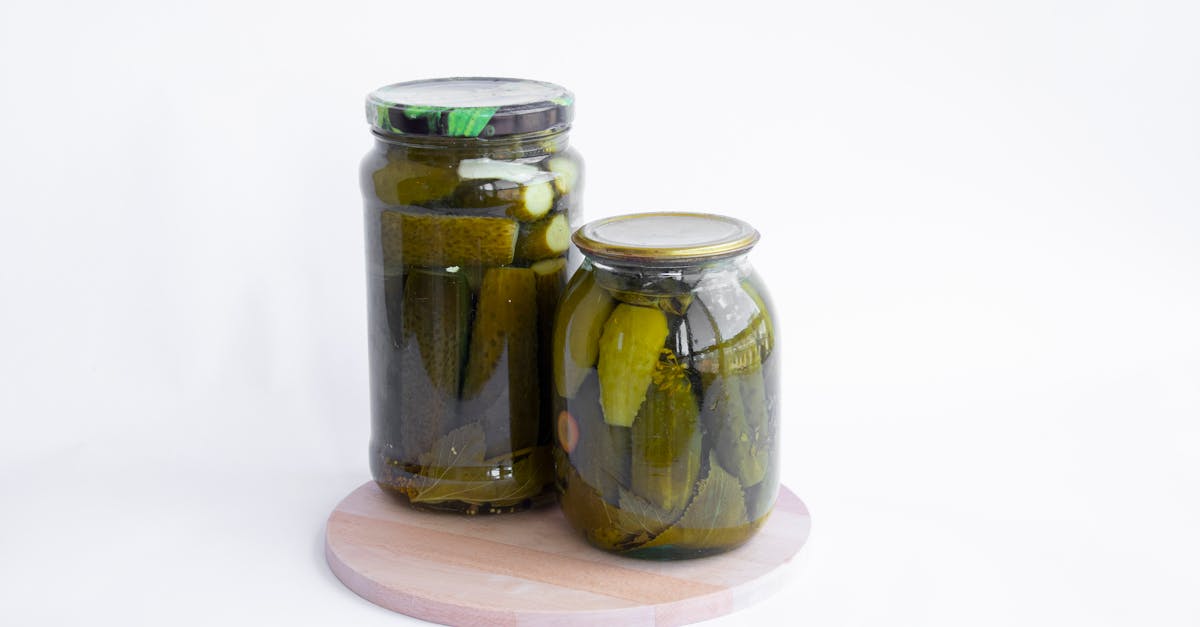
Eat fermented foods daily. Kimchi, sauerkraut, kombucha, yogurt, kefir. I start every morning with a glass of water and a spoonful of fermented beet kvass. It sounds weird, but it works.
Cut sugar for 72 hours. That's how long it takes to see a measurable shift in your gut bacteria composition. Try it. The first two days are hell. Day three, your anxiety drops noticeably.
Diversify your plant intake. The goal is 30 different plant foods per week. That's not as hard as it sounds — herbs, spices, nuts, seeds, vegetables, fruits all count. Different plants feed different bacteria.
Consider a soil-based probiotic. Most probiotics die in stomach acid. Soil-based organisms are hardier and more likely to reach your gut intact.
Sleep in complete darkness. Your gut bacteria have circadian rhythms too. Light pollution disrupts them, which disrupts your mood.
The Hidden Connection You Can't Ignore
I'm not saying gut health is the only cause of anxiety. Trauma, genetics, life circumstances, and brain chemistry all play roles. But ignoring your gut bacteria is like trying to fix a car engine while ignoring that it's out of gas.
Here's what I want you to take away from this: your anxiety might not be a character flaw, a chemical imbalance, or something wrong with your brain. It might be 100 trillion microscopic organisms trying to tell you something.
The beautiful part? Unlike your genetics or your past, your gut microbiome is incredibly changeable. Within 24 hours of changing your diet, your bacterial populations start shifting. Within two weeks, you can see measurable improvements in mood and anxiety.
I've seen this in myself. I've seen it in friends who tried it. And the research is only getting stronger.
So next time your stomach clenches and your mind races, ask yourself: is this really my anxiety? Or is it my gut bacteria trying to get my attention?
Your answer might surprise you.





