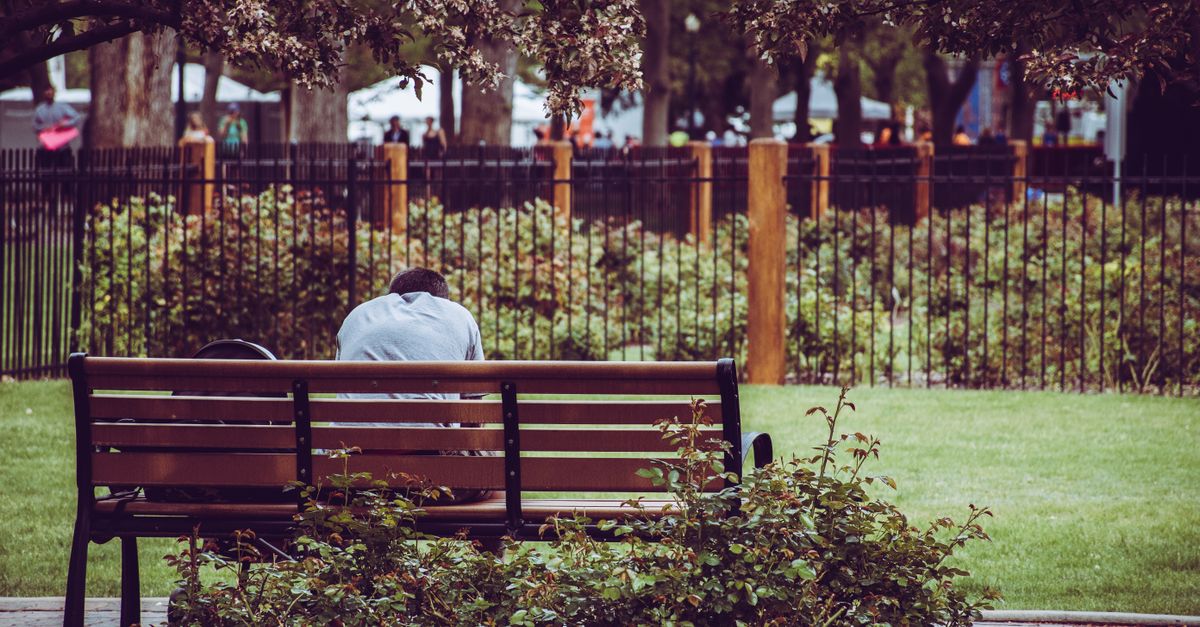
Let’s be real for a second: *I don’t think I’ve met a single person in the last five years who actually wants to be in a pew on Sunday morning.
They’re there because of guilt, family tradition, or a vague hope that God might smite their Wi-Fi router if they skip. But here’s the controversial truth that nobody in the pulpit wants to admit: Doubt is becoming the new devotion. And I’m not talking about atheism. I’m talking about a quiet, growing rebellion that looks less like a rejection of faith and more like a refusal to fake it.
I’ve been writing about faith and culture for years, and I’ve watched this shift happen in real time. The Sunday morning paradox is simple: the more we demand certainty from religion, the more people choose the honest uncertainty of doubt. Let’s unpack why.
The Collapse of the “Just Believe” Model
For decades, the evangelical playbook was simple: Don’t ask questions. Just believe. Have faith like a child. But here’s the problem — adults have adult-sized questions. And when the church hands you a children’s answer, you start looking for the exit.
I remember sitting in a megachurch service years ago where the pastor said, “If you have doubts, you’re not trusting God enough.” I nearly laughed out loud. Let’s be honest — that’s not faith, that’s emotional manipulation dressed up in a suit.
What I’ve found is that the people walking away from Sunday services aren’t walking away from God. They’re walking away from a system that treats doubt like a disease instead of a doorway. The research backs this up. A 2023 Pew study showed that 40% of Americans who left their childhood religion cited “intellectual doubt” as a primary reason. Not laziness. Not sin. Doubt.

The Internet Killed the Radio Star (and the Sermon)
Here’s what most people miss: The Sunday morning paradox is a direct result of information democratization. Twenty years ago, if your pastor said something sketchy about Genesis or the historicity of the resurrection, you had no way to fact-check him. You just nodded and ate a stale cracker.
Now? You’ve got YouTube scholars, academic biblical studies podcasts, and Reddit threads where people debate whether Jonah actually got swallowed by a fish. The internet turned every churchgoer into a junior theologian. And shocker — most of them found out their pastor was winging it.
I’ve had readers tell me, “Jie, I used to think my pastor was infallible. Then I Googled his sermon points and realized he was pulling half of it from a blog from 2008.” That’s not cynicism — that’s curiosity meeting reality. And once you see the curtain, it’s hard to unsee it.
The result? More people are choosing the intellectual honesty of “I don’t know” over the performative certainty of “I believe.” That’s not a crisis of faith. That’s a crisis of bad information.
The Exhaustion of Performance
Let’s talk about the elephant in the sanctuary: Sunday mornings are exhausting. Not because the service is long, but because the performance is draining.
You show up with your coffee and your nice clothes, and you’re supposed to smile, sing songs you don’t mean, nod along to a sermon that doesn’t address your actual life, and then fake a handshake with someone you barely know. It’s a social charade dressed up as spiritual discipline.
I’ve found that the people who are most likely to choose doubt over devotion are the ones who are simply tired of pretending. They’re tired of pretending they’re happy when they’re struggling. Tired of pretending they have answers when they have questions. Tired of pretending that the worship band’s third key change actually moved them.
Doubt, in this context, is an act of integrity. It’s saying, “I will not fake a relationship with a God I’m not sure about just to make you comfortable.” And honestly? I respect that more than the person who’s been going through the motions for 40 years and still can’t explain why.
The Rise of “Doubt-Friendly” Faith Communities
Now here’s the twist that nobody saw coming: Some churches are actually embracing doubt. And they’re growing.
I’ve been watching the rise of what I call “third-space faith” — communities that meet on weeknights, in coffee shops, or online, where the expectation isn’t belief but honesty. These groups don’t start with “Let’s read the Bible and pretend we agree.” They start with “What’s bugging you about God this week?”

One of the fastest-growing faith movements in the U.S. right now is the “progressive Christian” space, but even that label is too narrow. What’s actually happening is a de-institutionalization of faith. People still want community. They still want meaning. They just don’t want to have to check their brain at the door.
Here’s what I’ve seen work:
- Small group discussions where doubt is welcomed, not dismissed.
- Sermon series that tackle hard topics head-on (suffering, science, sexuality).
- Leaders who admit they don’t have all the answers — and don’t pretend to.
What Doubt Actually Does to Your Faith
Let’s clear something up: Doubt doesn’t kill faith. Certainty kills faith.
I’ve written about this before, but it bears repeating. When you’re absolutely certain about everything, you stop growing. You stop asking questions. You stop being surprised by God. But when you hold your beliefs with open hands — when you say, “I think this is true, but I’m not 100% sure” — you create space for actual transformation.
Think about it this way: The disciples doubted. Thomas doubted. Job doubted. The entire book of Psalms is basically one long therapy session of doubt. The Bible isn’t afraid of doubt. The church is.
What I’ve found in my own journey is that the questions I was afraid to ask ended up being the ones that deepened my faith the most. I started doubting the institution, the traditions, the music, the politics — but somewhere in that rubble, I found a God who was bigger than all of it. Doubt didn’t destroy my faith. It refined it.
The Bottom Line: Don’t Confuse Doubt with Disobedience
Here’s the final piece of the paradox: Most people who are “choosing doubt” aren’t choosing sin. They’re choosing honesty.
The Sunday morning model of “show up, sing, give, go home” is dying because it’s not sustainable. You can only fake it for so long before your soul starts screaming for something real. And for a growing number of people, “I don’t know” is the most honest prayer they can offer.
If you’re reading this and you’re one of the doubters — the ones who feel guilty for not having it all figured out — let me give you permission: You don’t have to have it figured out. The church might not know what to do with you, but God does. And if the institution can’t handle your questions, that’s their problem, not yours.
So skip the service if you need to. Go for a walk. Read a book you’ve been avoiding. Sit in the silence and let yourself not know.* Because sometimes, the most faithful thing you can do on a Sunday morning is admit that you’re not sure what you believe anymore.
And that’s okay.