
The $4.2 Trillion Wellness Industry Has a Dirty Secret: Nobody's Getting Better
Here's a stat that should stop you mid-scroll. The global wellness market hit $4.2 trillion in 2024, yet the World Health Organization reports that global anxiety and depression rates have climbed roughly 25% since the pandemic. We're spending more on feeling good than at any point in human history, and somehow feeling worse.
That contradiction is exactly why slowmaxxing is about to eat the "soft life" trend for breakfast in 2025.
I've watched wellness fads come and go for years — celery juice, cold plunges, 5 AM miracle mornings, the whole productivity-porn industrial complex. But slowmaxxing feels different. Not because it's louder, but because it's quieter. Almost aggressively quiet.

Soft Life Was Just Hustle in a Silk Robe
Let's be honest about the "soft life" era. What started as a genuinely refreshing pushback against grind culture somehow morphed into its own kind of performance. Suddenly "resting" required a $200 candle, a linen set from a brand you can't pronounce, and a perfectly curated morning routine you had to film for TikTok.
The soft life promised ease. What it actually delivered was aesthetic exhaustion — the pressure to look like you're relaxing.
Slowmaxxing strips that away. There's no product to buy. No routine to optimize. No caption to write. The entire philosophy boils down to: do less, on purpose, and stop apologizing for it. That's it. That's the trend.
I've found that the most radical thing I did last year wasn't a 10-day silent retreat. It was sitting on my couch for two hours doing absolutely nothing and not once reaching for my phone to document it.
What Slowmaxxing Actually Looks Like (Hint: Almost Nothing)
Here's what most people miss about this trend — it's not laziness dressed up in wellness language. It's a deliberate recalibration.
Slowmaxxing is built on a few unglamorous principles:
- Single-tasking as a default — not a productivity hack, just doing one thing at a time because multitasking is a myth your brain never signed up for
- Boredom tolerance — letting your mind wander instead of filling every gap with content
- Fewer decisions — eating the same breakfast, wearing a capsule wardrobe, saying no without a committee meeting in your head
- Slower inputs — reading a physical book, walking without a podcast, eating without a screen
- No tracking — ditching the sleep scores, step counts, and readiness metrics that turn your body into a KPI dashboard
That's the secret sauce. In a world where even meditation became a gamified app with streaks and leaderboards, slowmaxxing refuses to be quantified.

The Neurological Case for Doing Absolutely Nothing
This isn't just vibes. There's real science underneath the trend, and it's the part the wellness industry conveniently ignores because you can't sell it.
Your brain has a default mode network — a set of regions that activate when you're not focused on a task. For decades, researchers dismissed it as "background noise." Turns out it's where memory consolidation, creative association, and emotional processing happen. It's your brain's maintenance crew.
Every time you fill a quiet moment with a podcast, a scroll, or a "productive" habit, you're denying your brain its cleanup shift.
I've found that the days I protect genuine downtime are the days my thinking gets sharper. Not because I did anything special — because I finally stopped doing.
The irony is brutal. We've built an entire wellness industry around adding things — supplements, routines, gadgets, courses — when the most potent intervention might be subtraction.
Why 2025 Is the Year We Finally Get It
So why is slowmaxxing breaking through now? Three reasons, and they're all about timing.
First, burnout has hit critical mass. The WHO officially classified burnout as an occupational phenomenon back in 2019, but the numbers since then are staggering. Gallup's 2024 data showed 44% of workers reporting daily stress — near record highs. People aren't just tired. They're done.
Second, the optimization backlash is real. Gen Z and younger millennials grew up with every metric tracked — grades, followers, step counts, sleep scores. They're the first generation to rebel against their own dashboards. Slowmaxxing is their quiet mutiny.
Third, it costs nothing. In an economy where a "wellness retreat" runs $3,000 for a weekend, a trend built on doing less is almost subversive. It's wellness for people who can't afford wellness — and honestly, that's most of us.
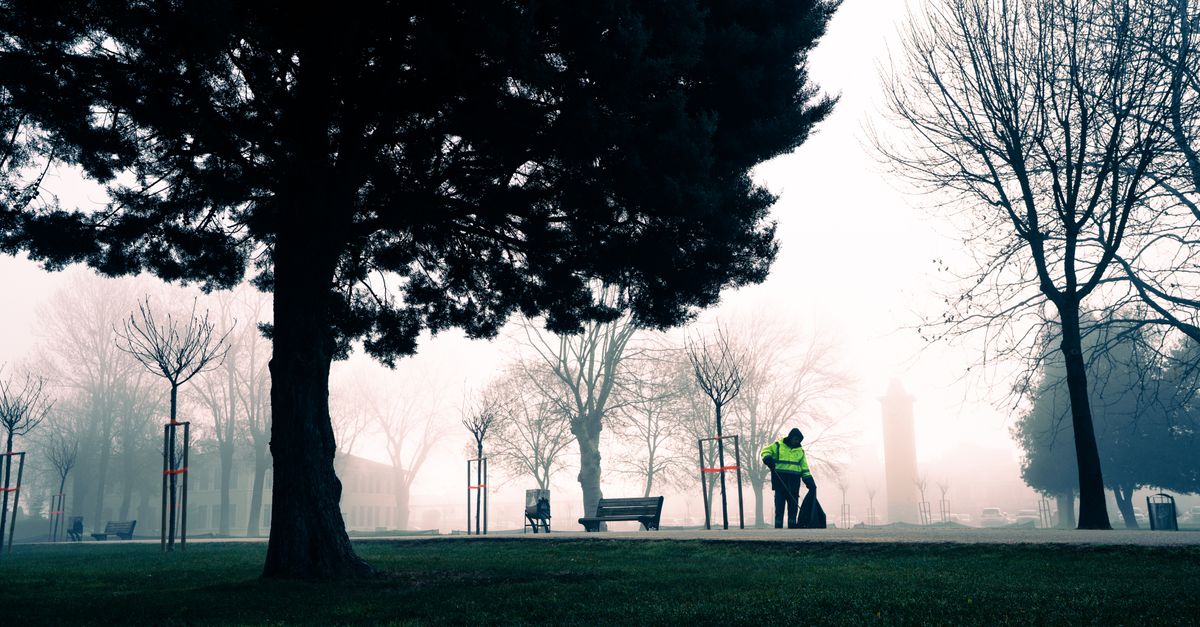
The Trap You Need to Avoid
Here's my one warning, because I've seen this movie before.
The moment slowmaxxing becomes a competition, it's dead. The second you're comparing your "slow morning" to someone else's, you've rebuilt the exact cage you were trying to escape.
I've watched people turn "doing nothing" into a scheduled, tracked, optimized activity with a Notion template. That's not slowmaxxing. That's hustle culture wearing a beige cardigan.
The whole point is that there's no right way to do it — which is precisely why it's so hard for our achievement-addicted brains to accept.
The Real Question Isn't "How Do I Slow Down?" — It's "Why Am I So Afraid To?"
Let's be honest about what's underneath all this. The reason slowmaxxing feels radical isn't that resting is complicated. It's that we've been taught our worth is tied to our output, and doing nothing feels like being nothing.
That's the actual disease. The wellness industry just sells you expensive Band-Aids for it.
So here's my challenge for you this week. Not a routine. Not a challenge with a hashtag. Just this: sit in a room for twenty minutes with no phone, no music, no task. Just you and whatever your brain wants to do.
It'll feel uncomfortable. That discomfort is the whole point — it's the sound of you finally hearing yourself think.
The soft life sold you a prettier cage. Slowmaxxing hands you the key and says: you don't have to earn rest. You just have to stop running long enough to take it.
What's the one thing you could subtract from your day this week? Not add. Subtract. Drop it in the comments — I read every one, probably while doing absolutely nothing.





