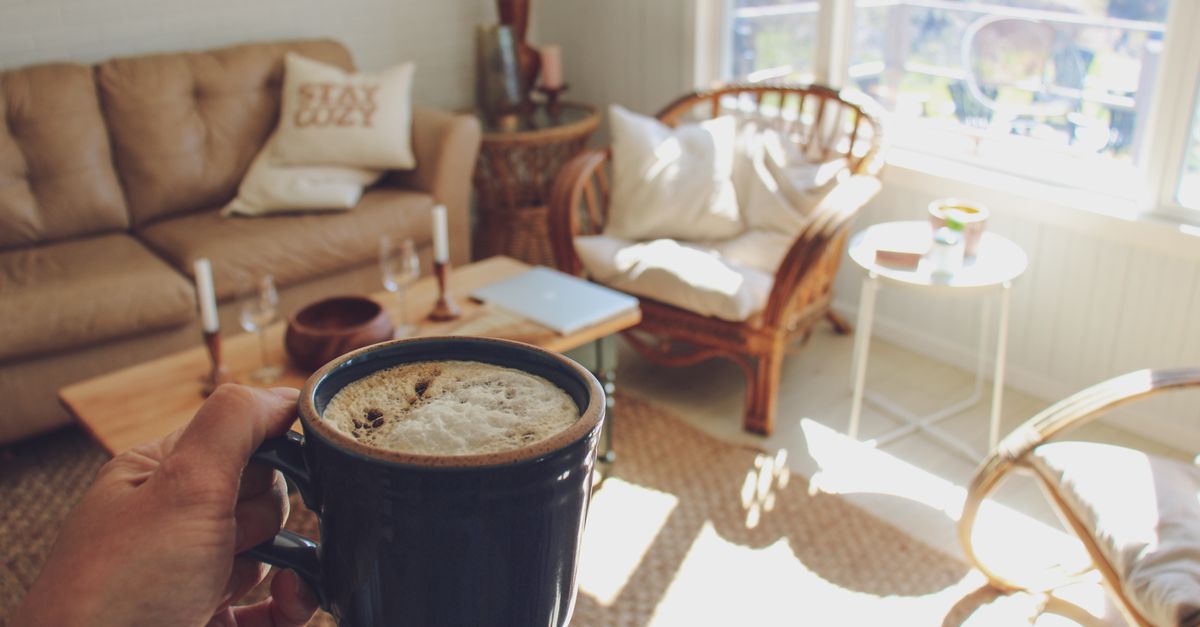
Let me tell you something about my cousin Mei. Three years ago, she was the poster child for hustle culture — 80-hour weeks at a Shanghai tech firm, cold brew for breakfast, a calendar so packed it looked like a barcode. Last month? She quit. Moved to a tiny town in Yunnan, rents a courtyard house for less than her old gym membership, and grows her own vegetables. Her former colleagues think she's lost her mind.
Here's the thing: she's never been happier. And she's not alone.
The Great Unhustling: Why Gen Z Is Quiet-Quitting the Rat Race
I've been watching this shift for a while now, and it's not just a couple of burned-out twenty-somethings posting on Xiaohongshu. Gen Z is fundamentally rewriting the definition of success, and honestly? It's about time.
The data backs it up. Surveys keep showing that a majority of Gen Z workers prioritize work-life balance over salary bumps. They're turning down promotions. They're setting boundaries that would've gotten their parents fired. And they're doing it loudly, publicly, and without a shred of guilt.
Here's what most people miss: this isn't laziness. It's a values recalibration. These kids watched their parents grind through decades of 996 work culture, only to end up stressed, divorced, or too exhausted to enjoy retirement. Gen Z looked at that trajectory and said, "No thanks, I'll pass."

The Hustle Hangover Nobody Talks About
Let's be honest — the wellness industry has been selling us "balance" for years. But Gen Z is actually practicing it, and that's what makes this different.
I've found that slow living isn't about doing less — it's about doing what matters. It's the freelance designer who works four days a week and spends Fridays hiking. It's the college grad who lives with three roommates to afford a job she actually loves. It's the guy who turned down a six-figure offer because it came with a two-hour commute.
The slow living revolution looks different for everyone, but the core philosophy stays the same:
- Time is the real currency, not money
- Rest is productive, not lazy
- Experiences beat possessions — every single time
- Comparison is a trap, especially on social media
- Small, intentional choices compound into a meaningful life
The Secret Sauce: TikTok Made Slow Living Go Mainstream
Here's where it gets interesting. The same platforms that fueled hustle culture are now driving the slow living revolution. Gen Z is using TikTok and Instagram to normalize rest, therapy, and saying no. The irony isn't lost on me.
Search #SlowLiving on any platform and you'll find millions of posts: cottagecore aesthetics, "day in my life" vlogs that feature actual naps, morning routines that start at 9 AM instead of 5 AM. It's a whole ecosystem of content that celebrates unhustling.
But here's the nuance: Gen Z isn't anti-ambition. They're anti-burnout. They still want careers, goals, and purpose. They just refuse to sacrifice their mental health on the altar of productivity. And if that means living in a smaller apartment or skipping the luxury car, so be it.
I've found that this generation is less impressed by job titles and more impressed by authenticity. They'd rather follow someone who talks openly about therapy than someone who humble-brags about their 4 AM workouts. That's a seismic cultural shift, and brands are scrambling to keep up.

What the Slow Living Revolution Gets Right (And Where It Stumbles)
Let's be real for a second. The slow living movement isn't without its problems. There's a fine line between intentional living and avoidance, and not everyone walks it gracefully.
Some critics argue that slow living is a privilege — that only people with financial safety nets can afford to "opt out." And they're not entirely wrong. Quitting your job to grow vegetables in the countryside isn't feasible when you're supporting a family on minimum wage.
But here's what most people miss: the core principles work at any income level. You don't need to move to a farm to set boundaries. You don't need a trust fund to prioritize rest. Small changes — declining that extra project, taking your lunch break outside, leaving work at work — are accessible to almost everyone.
The key is to adapt the philosophy to your reality instead of copying someone else's aesthetic. Slow living isn't a competition. There's no leaderboard for who's most relaxed.
Success, Redefined: The Gen Z Blueprint
So what does success actually look like for Gen Z? Here's my honest take:
- Financial stability, not wealth accumulation — enough to be comfortable, not enough to be consumed
- Work that aligns with values — purpose over prestige
- Time sovereignty — control over your own schedule
- Mental health as a non-negotiable — therapy is a tool, not a luxury
- Community over competition — support systems beat solo hustling
The Question You Should Be Asking
Here's what I keep coming back to: why did it take a global pandemic and a generation of burnout to make us question hustle culture? We've known for decades that overwork kills. We've had research on the health effects of chronic stress since before TikTok existed. So why now?
Maybe because Gen Z is the first generation that grew up watching the hustle in real-time — scrolling through Instagram highlight reels of other people's "success" while their own mental health quietly crumbled. They saw the finish line, realized it was a mirage, and decided to run a different race entirely.
The slow living revolution isn't an escape from ambition. It's an evolution of it. And whether you're 22 or 52, there's something worth borrowing from this playbook.
So here's my challenge for you: take a hard look at your calendar this week. How many things are you doing because you want to, and how many because you think you should? The answer might surprise you.
Maybe it's time to join the revolution. Or at least take a nap.