I have a confession that might get me kicked out of the wellness-industrial complex: I think the "5 AM club" is mostly a scam. There, I said it. I've tried the 4:30 AM cold plunge, the green juice, the 20-step skincare ritual that takes longer than my commute. You know what all that frantic optimization gave me? A cortisol spike and a weird superiority complex. The real secret to changing your life isn't doing more—it's doing less, but doing it deliberately. That's the heart of the slow living reset. It's not about moving to a cabin in the woods (though, tempting). It's about the tiny, almost invisible daily habits that rewire your nervous system and, by extension, your entire life. Here's what most people miss: you don't need a radical overhaul. You need a reset.
The "Hurry Sickness" Is Eating Your Brain (And You Don't Even Know It)
Let's be honest: we're all addicted to the dopamine hit of "busy." We wear our exhaustion like a badge of honor. But here's the controversial take: your productivity is actually suffering because you're moving too fast. There's a term for this—"hurry sickness"—a constant, frantic feeling that there's never enough time.
I've found that when I rush, I make stupid mistakes. I forget things. I snap at people I love. The slow living reset isn't about being lazy; it's about being efficient with your energy, not just your time. When you slow down, your brain actually has the bandwidth to process information, make connections, and—get this—enjoy the moment. Science backs this up. Chronic rushing keeps your body in a low-grade fight-or-flight mode, flooding you with cortisol. Slowing down activates the parasympathetic nervous system—your "rest and digest" mode. That's where the magic happens. That's where creativity lives.

7 Tiny Habits That Quietly Change Everything
You don't need to meditate for an hour or sell all your possessions. These are the tiny daily habits for slow living that have genuinely shifted my baseline from "frantic" to "functional human." They take minutes, but they compound.
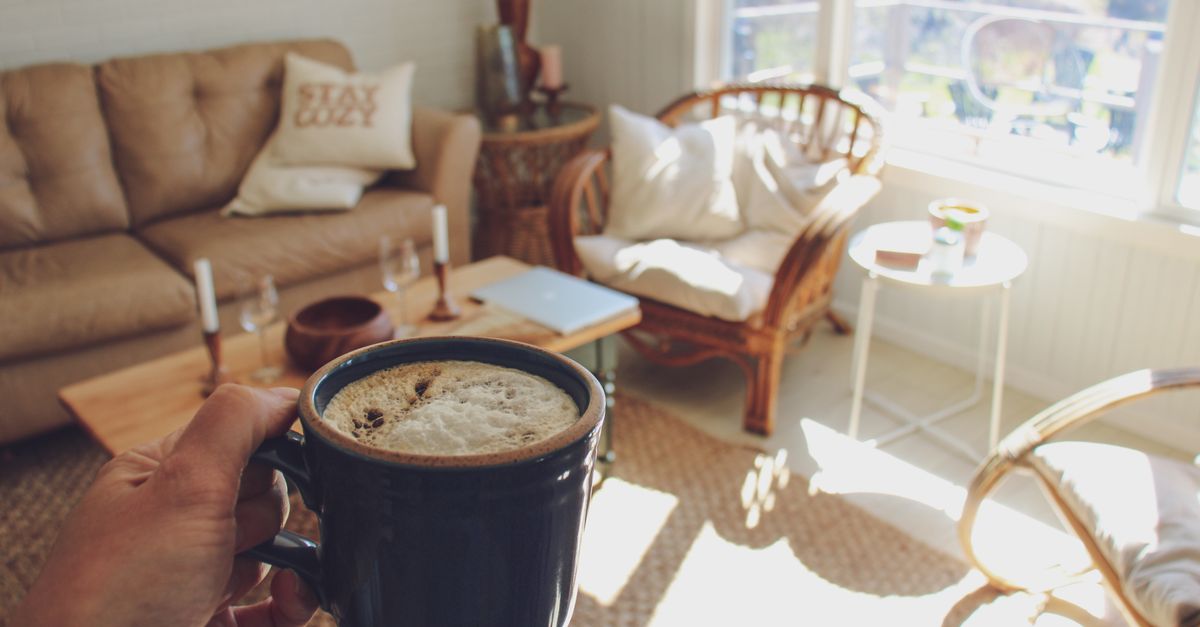
1. The "First Sip" Rule Before you touch your phone in the morning, take five minutes with your coffee or tea. No scrolling. No news. Just you and the warmth of the mug. This is a boundary-setting habit that tells your brain, "I am in control of my morning, not my inbox." It's a tiny act of rebellion against the attention economy.
2. The Single-Tasking Ritual Pick one task a day and do it with monk-like focus. No music, no podcasts, no checking Slack. Just the task. I've found that doing one thing well in 45 minutes beats juggling three things for two hours. It's a mindfulness practice disguised as productivity.
3. The "Transition Walk" When you finish work, take a 10-minute walk before you enter your home or start your evening. This is a physical and mental buffer. It signals to your brain: "Work is over. Life is now." It's a game-changer for work-life boundaries, especially if you work from home.
4. The Analog Hobby Remember those? Knitting, drawing, playing an instrument, gardening—anything that doesn't involve a screen. I've found that engaging in a tactile, analog activity is like a digital detox for the soul. It forces you to be present because you literally can't multitask while doing it.
5. The "One Thing" Evening Review Instead of a massive to-do list, write down one thing you're grateful for and one thing you want to accomplish tomorrow. That's it. It quiets the "monkey mind" and sets a gentle intention for the next day. It's a slow living habit that helps you sleep better because you're not trying to hold everything in your head.
6. The "Pause Before Reacting" This is the hardest one. When someone asks you a question or sends a stressful text, wait five seconds before responding. Breathe. This tiny gap is where you reclaim your power. It prevents you from saying something you'll regret or agreeing to something you don't want to do. It's a mindful living practice that will save your relationships.
7. The "Savor the First Bite" This sounds ridiculous, but it works. For one meal a day, take a moment to really taste your food. Notice the texture, the flavor. Don't eat while watching TV or scrolling. This is a mindful eating habit that helps you connect with your body and, honestly, makes food taste better.

Why "Slow" Is the New "Smart" for Your Nervous System
Here's the science bit, and it's fascinating. Your body has two main modes: sympathetic (fight-or-flight) and parasympathetic (rest-and-digest). Modern life is a constant sympathetic workout. We're always "on." The slow living reset is about intentionally activating the parasympathetic mode. When you do that, your heart rate slows, digestion improves, and your brain gets better at problem-solving.
I've found that the most successful people I know aren't the ones who hustle hardest; they're the ones who know how to recover. They understand that rest and slowness are not luxuries; they are essential for high performance. You can't sprint a marathon. The slow living lifestyle is about pacing yourself for the long game.
The Ripple Effect: What Happens When You Stop Rushing
When you start practicing these tiny daily habits, something weird happens. You start noticing things. The way the light hits your kitchen counter. The sound of birds in the morning. You become a better listener. You have more patience. Your relationships improve because you're actually there, not just physically present but mentally checked out.
Let's be honest: the world will always demand more from you. The emails will keep coming. The deadlines will still exist. But the slow living reset gives you a choice. You can either be a victim of the chaos or the architect of your own calm. These tiny habits are the bricks you use to build that calm.

Your Reset Starts With a Single, Boring Choice
The truth is, no one is going to hand you permission to slow down. You have to take it. You have to decide that your peace of mind is more valuable than the dopamine hit of a cleared inbox. You have to be willing to be "unproductive" for five minutes a day.
Here's my challenge to you: pick one habit from that list. Just one. Try it for a week. See what happens. I bet you'll notice a shift. It won't be dramatic, and it won't be overnight, but it will be real. The slow living reset isn't about changing your entire life in a day; it's about changing your entire life one tiny, deliberate moment at a time.
What's the one thing you're going to try to slow down this week? Let me know in the comments. I'll be here, sipping my coffee, not checking my phone. Okay, maybe checking it a little. I'm a work in progress too.



