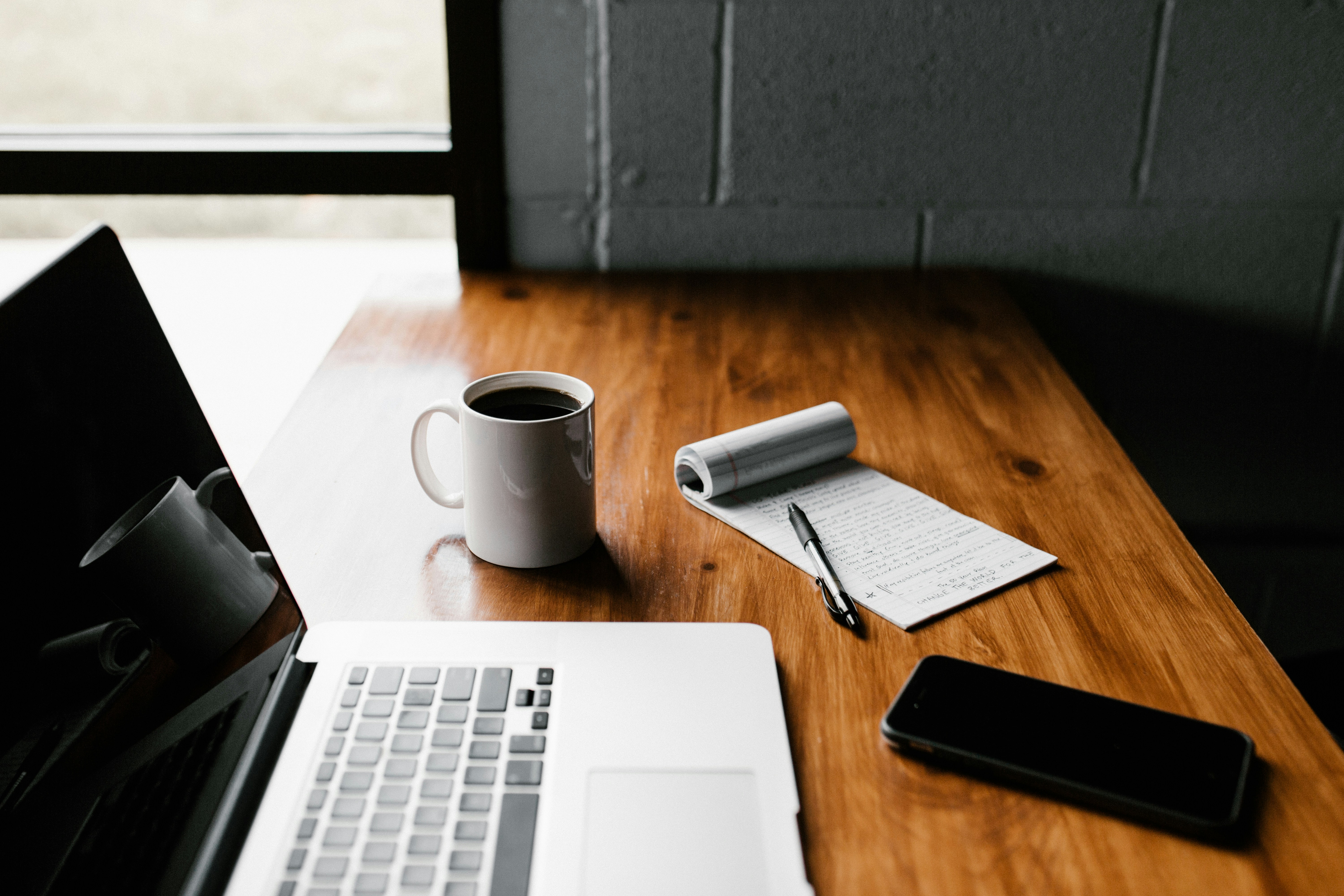
Picture this: it's 7:42 AM, I'm standing in my kitchen holding a mug of tea that's actually still hot, and I haven't looked at my phone yet. Ten years ago, that sentence would've been science fiction for me. My mornings used to start with a cortisol spike and 47 unread Slack messages. Now? I watch steam curl off the tea and — brace yourself — I enjoy it.
I didn't join a monastery. I didn't move to a cabin in the woods. I just stole a few small habits from the "slow living" movement, which, by the way, has quietly gone from Instagram niche to full-blown mainstream. The slow living movement isn't about doing less — it's about doing what matters at a pace you can actually feel. And the habits? They're embarrassingly small. That's the secret.
The 3-Second Pause That Broke My Phone Addiction
Here's what most people miss about slow living: it's not a lifestyle overhaul. It's a collection of micro-decisions that compound.
Take my phone. I used to grab it before my feet hit the floor. Now I have a rule — the first 20 minutes of my day belong to me, not to notifications. I won't pretend it was easy. The first week felt like withdrawal. But I've found that the morning scroll is just a habit dressed up as a necessity.
Let's be honest — we don't check our phones because we need to. We check them because silence is uncomfortable. Slow living is, in large part, learning to sit in that discomfort until it turns into something else. Calm, maybe. Or just quiet.

10 Small Habits That Are Quietly Transforming Busy Lives
I've tested most of these myself. Some stuck. Some didn't. But here are the ones I keep seeing work — for me and for the friends I've guilt-tripped into trying them.
- The "one thing at a time" rule. No music while cooking, no podcast while walking. Just the thing. It sounds boring. It's weirdly revolutionary.
- A 10-minute "nothing" window. No input, no output. Stare out a window. Your brain will throw a tantrum, then thank you.
- Single-tasking your coffee. Drink it. Don't scroll through it. I know. Radical.
- The Sunday reset. Ninety minutes to set up your week — laundry, meals, calendar. It buys back three weekday evenings.
- Walks without a destination. Not steps. Not cardio. Just walking because your legs work.
- A physical book before bed. Paper doesn't ping you at 11 PM.
- One "slow meal" a week. Actually cooking, actually sitting, actually tasting. No screens at the table.
- A hard stop on work. Pick a time. Close the laptop. Mean it. The work will still be there — that's the point.
- The 5-minute tidy. Small, daily, unglamorous. Prevents the Saturday-morning chaos spiral.
- Saying "let me think about it" instead of yes. The slowest habit of all, and the most powerful.

Why "Slow" Is Suddenly Everywhere (And Why That's Fine)
You've probably noticed it creeping into the mainstream. Airlines are selling "slow travel." Coffee shops advertise "slow brews." There's a slow food chain, slow fashion, slow journalism. Even the productivity bros are pivoting — the same guys who sold you 5 AM cold plunges now sell "intentional rest."
Cynical? Sure, a little. But here's my take: when a wellness idea goes mainstream, it's usually because people are genuinely starving for it. We didn't collectively decide to slow down because it trended. It trended because burnout got so loud nobody could ignore it anymore.
The trick is not letting the movement become another to-do list. You don't need to meditate for 45 minutes, journal in a linen-bound notebook, and grow your own sourdough starter by Friday. That's just hustle culture wearing a beige sweater.
Start with one habit. The pause before the phone. The walk with no podcast. The tea that's still hot.
The Part Nobody Tells You About Slowing Down
I'll be straight with you — the first few weeks of slowing down are uncomfortable. When you take away the noise, you meet yourself. And sometimes that self is tired, or anxious, or has been quietly asking for attention for years.
But I've found that the discomfort fades and something steadier takes its place. You notice how food actually tastes. You have a thought that isn't a reaction. You finish a conversation without mentally drafting your next Slack reply.
And here's the kicker: you get more done. Not less. Slow living isn't anti-ambition — it's anti-frantic. There's a difference, and your nervous system knows it.

So here's my challenge for you this week. Pick one habit from the list. Just one. Do it for seven days and notice what shifts. Maybe nothing dramatic happens — no lightning bolt, no life rebrand. But maybe your tea is still hot when you drink it.
And honestly? That's a pretty good place to start.
What's the one small habit you'd steal from this list? I'm genuinely curious — drop it in the comments, and if you try one, tell me how it went. Slow living is a lot easier when we do it together.