
You didn’t ask your smart speaker to play music this morning. The lights in your hallway didn’t need a switch. Your thermostat adjusted itself before you even felt a chill. When was the last time you consciously interacted with a computer to make these things happen?
That’s the thing. You probably didn’t.
We’ve been trained for decades to think of computing as a deliberate act: you sit down, you open a laptop, you tap an app icon. It’s a destination. But what if the destination is gone? What if, instead, computing is simply the air we breathe—invisible, ambient, and woven into the fabric of everything? That future isn’t coming. It’s already here, and it’s operating in near-total silence.
I call it The Silent Shift. It’s the most profound change in our relationship with technology since the smartphone, and most of us are missing it because, well, it’s designed to be missed.

From Screens to Scenes: The Interface Vanishes
Let’s rewind. I remember the first time I shouted “Hey Siri” into the void of my apartment. It felt absurd, like talking to my toaster. Fast forward to today, where I’ll mutter “add paper towels to the shopping list” while my hands are covered in flour, and it just… happens. The friction is gone.
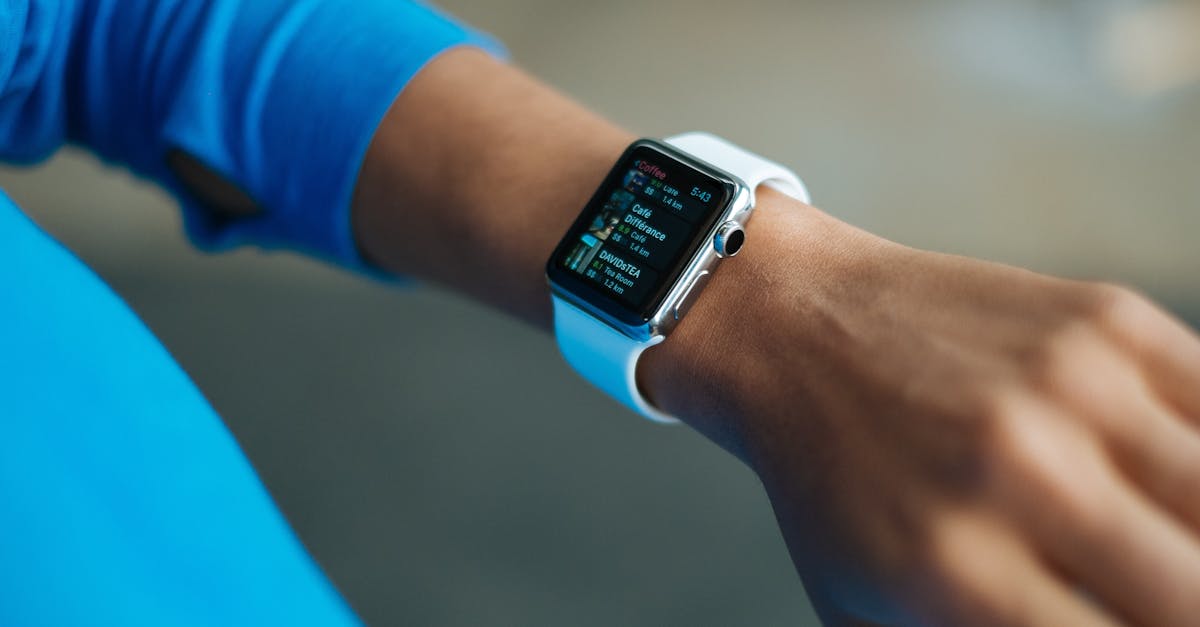
This is the core of ambient computing: the interface disappears. The goal is no longer to get you to look at a screen, but to have the technology understand your context and intent, then act on it without a command. Your smartwatch notices you’ve been sitting too long and nudges you to stand. Your car pre-warms itself because it knows your schedule and sees the frost on the ground. Your headphones seamlessly switch from your laptop’s Zoom call to your phone’s podcast as you walk out the door.
It’s not about one device. It’s about a constellation of sensors, processors, and connectivity—in your walls, your wearables, your pockets—working in concert. The computer is no longer a thing you use. It’s the environment you inhabit.
The Hidden Orchestra: Sensors, AI, and the Cloud
For ambient computing to feel like magic, an incredible amount of orchestration has to happen behind the curtain. Here’s what most people miss: this isn’t just about voice assistants. It’s a three-part symphony.
- The Sensors: These are the ears and eyes. Motion sensors, temperature gauges, microphones, accelerometers, GPS. They are constantly collecting passive data about the world and you.
- The AI Brain: This is the conductor. Machine learning algorithms process that sensor data in real-time, identifying patterns (you always turn the lights on at 7 PM) and predicting needs (you’ll want the lights on at 7 PM).
- The Cloud Backbone: This is the sheet music, accessible anywhere. Your preferences, routines, and data are synced across every device, so your “environment” knows you, whether you’re in your kitchen or your car.

The Good, The Bad, and The Always-Listening
Let’s be honest. This paints a utopian picture of effortless living. And parts of it truly are fantastic—the convenience, the accessibility for those with disabilities, the potential energy savings. But The Silent Shift comes with a whispering shadow.
The most obvious elephant in the room is privacy. When computing is ambient, it is, by definition, always-on. To be context-aware, it must be context-listening (or watching, or sensing). Your smart speaker has to hear its wake word, which means it’s technically hearing everything. Motion sensors track presence. The data footprint of your daily life becomes staggeringly detailed.
Then there’s dependency and opacity. When something works seamlessly, you forget how it works. What happens when your ambient environment glitches? When the cloud goes down? When competing ecosystems (Apple’s HomeKit, Google’s Home, Amazon’s Alexa) refuse to talk to each other and fracture your seamless experience? We risk building homes and lives we don’t fully understand and can’t easily fix.
Designing for Humanity, Not for Screens
The companies that will win the ambient computing era aren’t necessarily the ones with the best screens, but the ones with the most thoughtful ambient intelligence. It’s a shift from graphic design to experience design, from user interface to human intuition.
The best ambient tech gets three things right: It’s Proactive, Not Reactive: It anticipates a need before you articulate it. It’s Frictionless: The effort to use it is near zero. The “on” switch is your existence. It Knows When to Be Silent: This is crucial. An anxious device constantly notifying you shatters the illusion. True ambient tech speaks only when necessary, like a good butler.
We’re moving from a world of “pull” (you seeking out information) to a world of “push” (the right information finding you at the right moment). Your phone buzzing with a gate change notification as you walk toward your airport gate is ambient computing. Your fridge camera showing you you’re out of milk when you pass a grocery store is ambient computing.
Living in an Animated World
So, what does daily life look like as The Silent Shift completes? You won’t “log on.” You’ll just be*. Your environment will be subtly animated, responding to you. Your home will be more like a living organism than a collection of appliances. Your city will flow more smoothly because traffic lights, public transit, and your navigation app are all part of the same ambient system.
But this demands a new literacy from us. We need to understand the trade-offs. We must demand transparency about data use. We should own devices that serve us, not ecosystems that lock us in.
The question isn’t whether ambient computing will disappear into our lives. It already has. The real question is: What kind of environment do we want to build? One that listens only to serve us better, or one that listens to serve another purpose? One that simplifies, or one that silently complicates?
The shift is silent, but our conversation about it shouldn’t be. Pay attention to the quietest tech in your life. Notice when something happens without you asking. That’s the future whispering. Are you listening?
Follow us YouTube. Follow for more great content!





