
Did you know that the average person living in a connected home today interacts with a computer, on average, less than once to complete a task like adjusting the thermostat, playing music, or turning off lights? That’s not because we’re doing less; it’s because the computer has stopped asking for our attention. It’s just… doing.
We’ve spent decades in a relationship with technology defined by explicit commands. We clicked, we typed, we tapped. We interfaced. But a profound shift is underway, one so seamless it’s easy to miss entirely. I call it The Silent Revolution, and its general is ambient computing. This isn't about a new gadget you buy; it's about the gadgets fading away, leaving only their intelligence behind. The goal is no longer a better screen, but no screen at all.
Let’s be honest, we’re all suffering from screen fatigue. The constant glare, the endless notifications, the compulsive checking—it’s exhausting. Ambient computing promises a reprieve. It’s the idea that technology should melt into the background of our lives, anticipating our needs and acting on our behalf without a frantic dance of taps and swipes.

From Sci-Fi to Sofa: The Invisible Infrastructure
The concept isn’t new. Mark Weiser, a chief scientist at Xerox PARC, coined the term "ubiquitous computing" in the 1990s. He famously wrote, "The most profound technologies are those that disappear. They weave themselves into the fabric of everyday life until they are indistinguishable from it." For decades, that felt like a distant dream. The hardware was too clunky, the sensors too dumb, the networks too slow.
What changed? A perfect storm of advancements: The Proliferation of Cheap, Powerful Sensors: Your phone has a dozen. Your smart speaker has microphones arrayed to hear you from across the room. Wearables track your heartbeat and movement. These are the eyes and ears of the ambient world. The Cloud as a Collective Brain: No single device is "smart" on its own. It’s the connection to vast cloud databases and AI models that allows your speaker to understand a mumbled request or your thermostat to learn your schedule. The Rise of Context-Aware AI: This is the real magic. It’s not just about hearing the command "play music," but knowing it’s 7 AM on a Tuesday, you’re in the kitchen, and you usually listen to upbeat news podcasts while brewing coffee. Context is the new click.
Here’s what most people miss: ambient computing isn’t synonymous with voice assistants. Alexa or Google Assistant are just one interface to it. The true ambient experience is when you walk into a room and the lights simply turn on to your preferred setting, when your car automatically routes around a traffic jam it detected before you even left the house, or when your wearable notices an irregular heart rhythm and suggests a check-up—all without you asking for a thing.
The Daily Magic You’ve Already Stopped Noticing
We’re already living in the early stages of this revolution. Think about it:
- Your Smartphone as a Silent Concierge: It automatically connects to your car Bluetooth, silences itself during calendar meetings, and offers your home controls as a widget when you arrive geographically near your house.
- The Self-Regulating Home: Smart thermostats like Nest learned from your adjustments and now create a schedule for you. Robotic vacuums map your home and clean when you’re out. Smart locks let in the dog walker and notify you, all from the background.
- Personalized Environments: With a simple "Good morning" to a smart speaker, you can trigger a cascade of events: blinds lifting, coffee brewing, your day’s calendar being read aloud. The technology orchestrates the symphony; you just gave the downbeat.
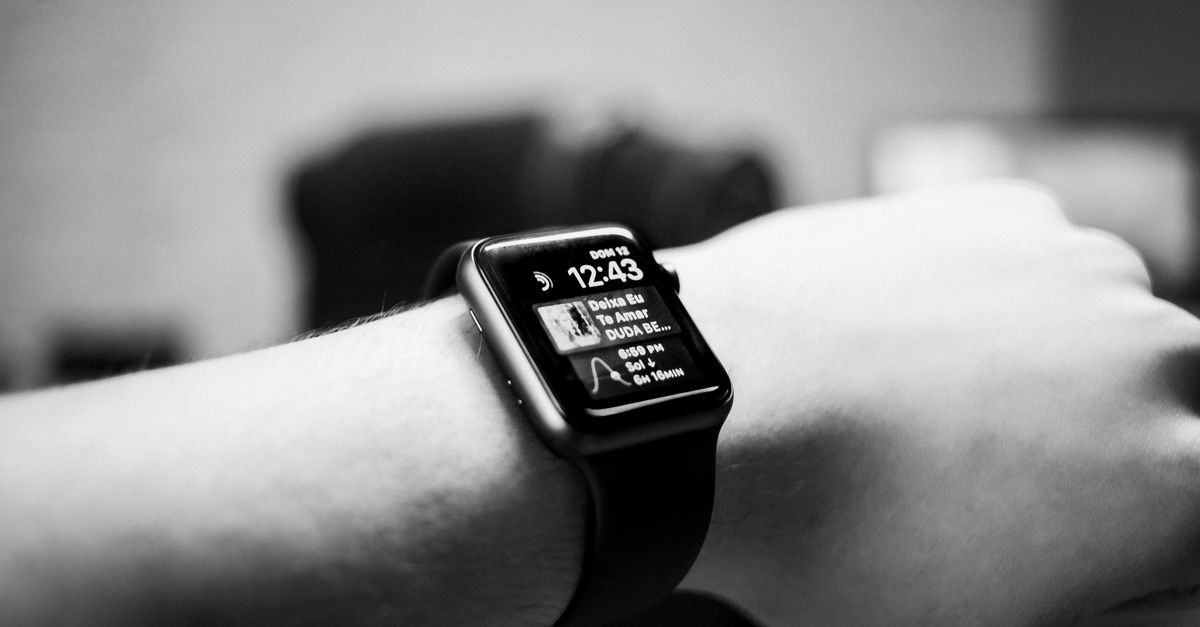
The Creepy Line: Convenience vs. Privacy
Now, we have to talk about the elephant in the room. For technology to be this anticipatory, it needs data. A lot of data. It needs to know where you are, what your habits are, who you live with, and potentially even your biometric state. This creates an undeniable tension.
I’ve found that people either lean fully into the convenience, accepting the data trade-off, or they recoil at the perceived surveillance. There’s a creepy line, and it’s drawn in a different place for everyone. Is it okay for a speaker to listen for a wake word? What if it accidentally records a private conversation? Is it useful for a fridge to track when you’re low on milk, or is it just another data point for targeted advertising?
The companies building this ambient world have a monumental task: to build trust through transparency and robust security. We, as users, have a responsibility to dig into privacy settings and understand what we’re opting into. The silent revolution shouldn’t be a silent takeover of our personal information.
The Future: Not a Single Device, but a Symphony
The next phase is where it gets truly interesting. We’re moving away from single, siloed devices toward interoperability—where all your ambient tech works in concert. The Apple Home, Google Home, and Amazon Alexa ecosystems are battling to be the conductor of this orchestra.
Imagine this: Your wearable detects you’ve entered deep sleep. It signals your smart home to lower the thermostat by one degree for optimal rest. In the morning, as it detects you moving into lighter sleep phases, it gradually raises the temperature and begins to simulate sunrise with your smart lights, before your alarm even goes off. No commands were issued. The devices just collaborated in the background for your benefit.

Are We Ready to Let Go of the Wheel?
This is the ultimate question ambient computing poses. We are ceding a degree of control for a promise of effortless flow. We’re trading explicit agency for implicit assistance. There’s a loss there—the satisfaction of a task completed manually, the understanding of how things work. But there’s also a potential gain: cognitive freedom. If I don’t have to remember to turn off the lights or worry about the commute, what can I do with that mental bandwidth?
The silent revolution isn’t about making us lazier. It’s about freeing our attention for what truly matters—connection, creativity, and the messy, beautiful reality of life beyond the interface. The technology that succeeds won’t be the one that shouts the loudest, but the one that whispers, "I’ve got this. You go ahead and live."
So, take a moment today to notice the silence. That moment your lights just knew*, or your music followed you from room to room. That’s not magic. That’s the future, quietly arriving.





