
Let’s get one thing straight: the church isn’t dying. But the Sunday-morning, pew-sitting, potluck-having version of it? That’s bleeding out.
You’ve seen the stats. Barna, Pew, Lifeway — they all tell the same story. One in three Christians in the West has stepped away from regular church attendance. But here’s the part that messes with the narrative: most of them haven’t stopped believing in God.
They didn’t lose their faith. They lost patience.
I’ve watched friends, mentors, and even family members quietly slip out the back door. No dramatic exit. No angry social media post. Just a slow fade. They still pray. They still read Scripture. They still call themselves Christians. But they haven’t set foot in a sanctuary in three years.
This isn’t a rebellion. This is a silent exodus — and the church has no idea it’s happening because the people leaving are too tired to slam the door.
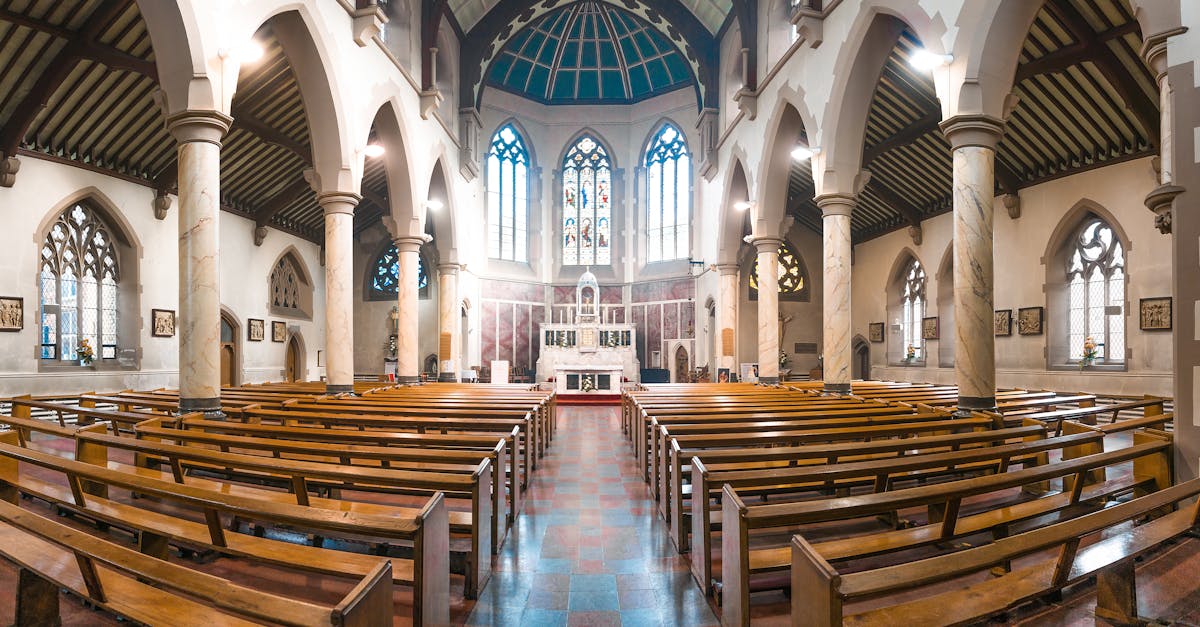
The ‘Deconstruction’ Trap Everyone Gets Wrong
Here’s what most people miss: leaving church isn’t the same as deconstructing your faith.
The media loves the word “deconstruction.” It sounds dramatic. It sells clicks. But when I talk to the actual one-in-three, they’re not wrestling with whether Jesus rose from the dead. They’re wrestling with whether they can sit through another sermon about tithing while the church ignores the homeless guy sleeping behind the dumpster.
Let’s break down what’s actually driving this exodus:
- Institutional fatigue — The machinery of church (committees, budgets, board meetings) has replaced the mission.
- Hypocrisy whiplash — They’ve seen the worship leader cheat on his wife and the elder embezzle funds. They’re not mad; they’re disgusted.
- Spiritual malnutrition — Sunday sermons have become TED Talks with Bible verses. Where’s the depth?
- Cultural irrelevance — Churches are fighting culture wars while people are drowning in loneliness, addiction, and debt.
The ‘Third Way’ Nobody Talks About
Here’s the hidden truth: many of these exiles haven’t abandoned community — they’ve reinvented it.
I know a guy named Marcus. He left his megachurch three years ago. Today, he meets with five other guys in a garage every Tuesday night. They eat pizza, read the Bible, and actually confess their sins to each other. No worship band. No offering plate. No pastor telling them what to think.
Is that church? The Bible seems to think so.
The silent exodus isn’t producing atheists. It’s producing micro-communities. House churches. Pub theology groups. Wednesday night Zoom prayer circles. These people aren’t faithless — they’re churchless by choice.
And here’s the kicker: many of them are growing faster spiritually than they ever did in the pews.

The Numbers Don’t Lie (But They’re Misleading)
Let’s talk data for a second. The famous “one in three” stat comes from multiple studies. Barna found that 31% of practicing Christians had dropped out of church by age 30. The State of the Bible report shows a 10% decline in weekly church attendance since 2019.
But here’s the part that keeps me up at night: the exodus is accelerating among young adults.
Think about it. When you’re 22, fresh out of college, drowning in student debt, and trying to figure out your career — does a 90-minute service with fog machines and a coffee bar actually help? Most say no.
What they want:
- Real conversations about mental health
- Practical help navigating a broken economy
- A community that doesn’t ghost them when they stop volunteering
- A sermon series on “The Seven Steps to Financial Freedom” that conveniently ends with a giving challenge
What the Church Refuses to Admit
Let’s be honest: the church has an addiction problem. It’s addicted to attendance metrics, building campaigns, and the illusion of growth.
I’ve sat in leadership meetings where the primary question was, “How do we get people back in the seats?” Not “How do we love people better?” Not “How do we serve our city?” But “How do we fill the seats?”
That’s the wrong question.
The silent exodus is happening because the church stopped being essential. When the pandemic hit, churches scrambled to livestream services. But what people actually needed was someone to bring them groceries, pray with them over the phone, or just sit with them in their anxiety.
The churches that thrived? The ones that already had systems for scattered community, not just gathered worship.
Here’s my opinion: the exodus will continue until churches stop trying to be entertainment venues and start being hospitals for the broken.

Why I’m Not Panicking (And Neither Should You)
I know this sounds bleak. But here’s the twist: I think this exodus might be the healthiest thing to happen to the Western church in 500 years.
Why? Because it’s forcing a reset.
The people leaving aren’t the weak ones. They’re the ones who refused to settle for a watered-down gospel. They’re the ones who realized that faith can survive without a building, a budget, or a brand.
I’ve seen more authentic discipleship in a garage with five guys than I ever saw in a sanctuary with 500.
The question isn’t, “How do we stop the exodus?” The question is, “How do we support the exiles?”
If you’re one of the one-in-three, here’s what I want you to know: you’re not a failure. You’re not a prodigal. You’re not less of a Christian.
You might just be ahead of the curve.
The Real Test
Here’s where I’ll leave you with something uncomfortable: the silent exodus is a mirror.
It reflects back everything the church has become — and everything it’s failed to be. It shows us that programs can’t replace presence. That buildings can’t replace belonging. That a sermon can’t replace a shoulder to cry on.
The church isn’t dying. It’s being refined.
The question is: will the institutions that remain humble themselves enough to learn from the ones who left? Or will they keep blaming the world while the faithful slip out the back door?
I don’t have a neat answer. But I know this: the faith that survives the exodus will be stronger, rawer, and more real than anything we’ve seen in decades.
And maybe — just maybe — that’s the point.