You know that feeling when you check your bank balance and swear you just got paid yesterday? That’s not bad budgeting — that’s the silent tax of being alive in 2024. Inflation, subscription bloat, and the creeping costs of everything from eggs to insurance have quietly chipped away at our wallets. But here’s the kicker: while you’re busy accounting for today’s expenses, the real money drain in 2025 won’t be what you’re spending — it’ll be what you’re not earning.
I’ve spent the last year tracking the intersection of AI and personal finance. And what I’ve found isn’t just interesting — it’s unsettling. The financial landscape is shifting faster than most people realize, and if your investment strategy hasn’t changed since 2023, you’re already losing ground.
Let’s rip off the band-aid: the shocking truth is that AI isn’t just automating jobs or writing weird poetry. It’s fundamentally rewriting the rules of where money flows. And the three investments I’m about to share aren’t about picking the next hot tech stock. They’re about building a financial moat before the water rises.

The Great Invisible Shift
Here’s a number that stopped me cold: According to a 2024 McKinsey report, generative AI could add between $2.6 trillion and $4.4 trillion annually to the global economy. That’s not a prediction for 2035. That’s by 2027.
Most people hear that and think, “Great, the rich get richer.” But here’s what most people miss: that wealth isn’t going to trickle down evenly. It’s going to concentrate in assets that are native to the AI era, not the industrial one. Your old 401(k) allocation of 60% stocks and 40% bonds? Let’s be honest — that formula was built for a world where inflation was 2% and innovation moved at the speed of a quarterly report.
The real threat isn’t AI taking your job. The real threat is your money working for yesterday’s economy while tomorrow’s economy prints new millionaires.
Investment #1: The Backbone Nobody’s Talking About
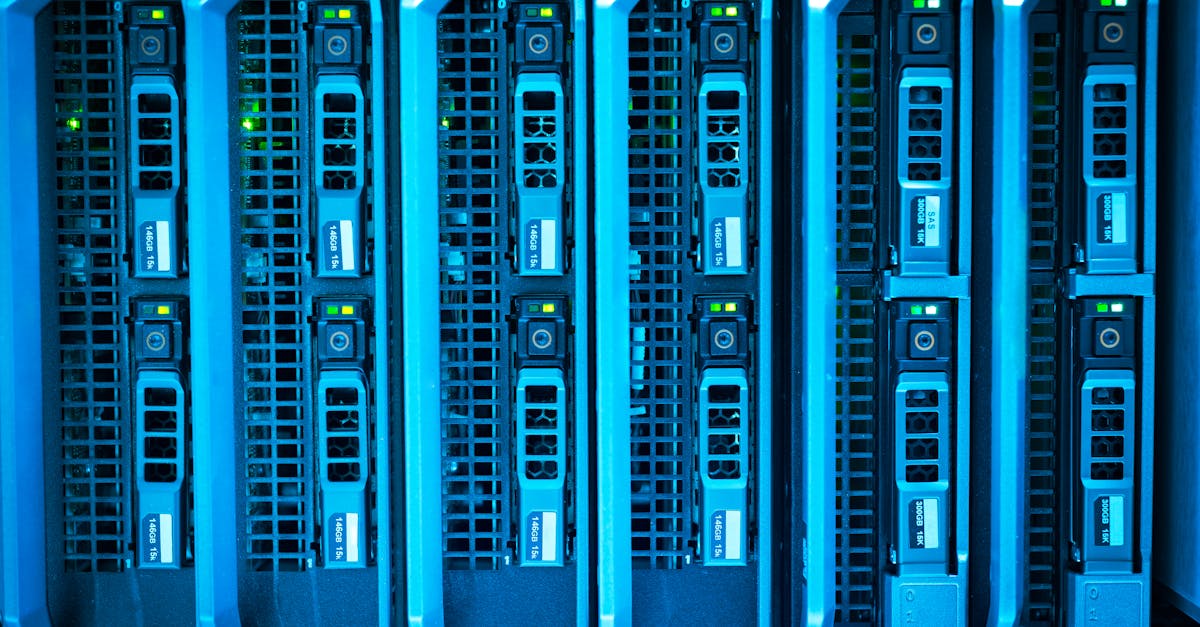
When people think “AI investing,” they reach for Nvidia or Microsoft. And sure, those are fine. But the smart money is already moving downstream to something far more boring — and far more essential: infrastructure for AI data centers.
I’m not talking about chip makers. I’m talking about the physical real estate, the energy grids, and the cooling systems. Every time you use ChatGPT or run a Midjourney prompt, you’re burning through massive amounts of electricity and generating heat that would melt a small house. By 2026, data centers could consume up to 6% of all U.S. electricity, up from about 1% in 2022.
Here’s the play: look at real estate investment trusts (REITs) focused on data center properties and companies specializing in energy-efficient cooling and power management. Digital Realty (DLR) and Equinix (EQIX) are the obvious names, but I’ve found that smaller, more specialized plays like Vertiv Holdings (focused on thermal management) have flown under most radars. The beauty? These aren’t speculative bets. They’re toll roads on the AI highway.
Key insight: This isn’t a stock tip. It’s a structural shift. AI needs physical homes, and those homes cost more to run than anything we’ve built before.
Investment #2: The Asset That Never Sleeps
Let’s get personal. I’ve been testing a handful of AI-powered compounding tools for the past six months, and the results have genuinely surprised me. We’re not talking about robo-advisors that shuffle your ETFs. I’m talking about platforms that use machine learning to optimize tax-loss harvesting, dividend reinvestment timing, and even micro-investing in fractional real estate.
Here’s what most people miss: the real power of AI isn’t in picking winners. It’s in eliminating human error from your financial habits. Think about the times you missed a dip, held a loser too long, or forgot to rebalance. AI doesn’t have that problem.
One specific area I’ve been diving into is automated yield farming in regulated crypto lending pools — but I’m not talking about DeFi cowboy bets. Platforms like Algorand-based savings protocols or tokenized U.S. Treasury funds (like Ondo Finance’s USDY) are offering yields north of 5% with full transparency. Yes, that’s real. And yes, it’s powered by smart contracts that never sleep.
Caveat: This isn’t for everyone. If you can’t stomach a 5% drawdown for a month, stick to high-yield savings. But if you’re willing to learn the mechanics, these tools are the 2025 equivalent of buying index funds in 2010.
Investment #3: The Human Edge (Yes, Really)
Here’s where I might lose you. The third investment isn’t a stock, a token, or a platform. It’s a skill: prompt engineering.
I know. It sounds buzzword-y. But hear me out. By 2025, companies will be desperate for people who can make AI output useful — not just generate content, but generate profitable content, code, or analysis. This is the single highest-leverage skill you can learn in the next 12 months.
I’ve seen freelance prompt engineers charge $150–$300 per hour for training corporate teams. And the barrier to entry? It’s not a degree. It’s being able to think clearly and communicate precisely.
Here’s what you should actually do: Invest 30 minutes a day learning how to craft better AI prompts. Not just for fun — for work. Build a library of prompts that automate your own repetitive tasks. Then, offer that library to a small business owner. I promise you, they’ll pay more for that than for a generic resume.
The real ROI: You’re not just learning a trick. You’re learning how to leverage your own time by 10x. And that, my friend, is the ultimate hedge against automation.

The Bottom Line (No Fluff)
I’m not going to pretend I have a crystal ball. But I’ve been watching this space long enough to know that the window for these plays is closing fast. By late 2025, the data center REITs will be fully priced in. The AI tools will have subscription fees that eat your margins. And prompt engineering will be a standard job requirement, not a niche skill.
The shocking truth about AI and your wallet is this: the biggest risk isn’t losing money — it’s missing the transition. The people who win will be the ones who treat this like a paradigm shift, not a trend.
So here’s my challenge to you: pick one of these three investments this week. Not all three. Just one. Learn it. Own it. Watch how it changes your financial game.
Because when 2025 arrives, you don’t want to be the person saying, “I wish I’d started sooner.”