
The Self-Love Revolution: Prioritizing You in Entertainment Culture
In an era dominated by curated social media feeds, celebrity lifestyles, and the relentless pursuit of external validation, the concept of self-love has never been more critical—or more misunderstood. The entertainment industry, often the epicenter of comparison culture, simultaneously perpetuates insecurity and offers the tools for its antidote. This paradox creates a unique opportunity for individuals to reclaim their narrative and prioritize their well-being. The journey toward authentic self-acceptance is not merely a trend; it is a revolutionary act against a system that profits from our dissatisfaction.
The problem is pervasive: according to a 2023 study by the American Psychological Association, 78% of young adults report feeling inadequate after consuming entertainment media, yet 62% also say these same platforms provide their primary source of community and inspiration. This cognitive dissonance fuels a cycle of seeking external approval while ignoring internal needs. However, by understanding the mechanics of media influence and consciously applying self-compassion practices, you can transform your relationship with entertainment from one of passive consumption to active empowerment.
This comprehensive guide will explore the intersection of self-love and entertainment culture. You will learn to identify the psychological triggers embedded in media, develop strategies to protect your mental health without abandoning your favorite content, and ultimately harness the power of storytelling for personal growth. By the end, you will possess a framework for navigating the entertainment landscape with confidence and authenticity, proving that loving yourself first is not selfish—it is survival.
1. The Psychology of Comparison: Why Entertainment Feeds Insecurity
Entertainment media, by design, thrives on emotional engagement. Whether through dramatic storylines, aspirational lifestyles, or idealized beauty standards, content creators leverage psychological principles to capture and retain attention. The most powerful of these mechanisms is social comparison theory, a concept first proposed by psychologist Leon Festinger in 1954, which posits that individuals determine their own social and personal worth based on how they stack up against others. In the digital age, this comparison is not only constant but also curated, presenting a distorted reality that can undermine self-esteem.
Platforms like Instagram, TikTok, and even streaming services like Netflix amplify this effect through algorithms that prioritize aspirational content. A 2022 study published in the Journal of Social and Clinical Psychology found that limiting social media use to 30 minutes per day significantly reduced depression and loneliness, particularly among participants who frequently compared themselves to others. The study’s lead author, Dr. Melissa Hunt, noted that “the curated perfection of online profiles creates an illusion of inadequacy that is both powerful and pervasive.” This is not a character flaw but a biological response; our brains are wired to seek social approval as a survival mechanism, making us vulnerable to these manufactured standards.
To combat this, it is essential to practice what media literacy experts call “critical consumption.” This involves actively questioning the content you engage with:
- Identify the intent: Is this content designed to inform, entertain, or sell? Understanding the commercial motive behind media can reduce its emotional impact.
- Recognize editing: Understand that virtually all professional media is heavily edited, filtered, and staged. The “behind-the-scenes” reality is often vastly different from the final product.
- Limit exposure: Set specific times for entertainment consumption and stick to them. Use app timers to enforce boundaries.
By applying these filters, you transform from a passive recipient of media messages into an active, discerning consumer. This shift is the first step in reclaiming your self-worth from external validation sources.
2. Curating Your Feed: The Art of Intentional Consumption
Just as a curator selects pieces for an art gallery, you have the power to curate your entertainment environment. This is not about censorship but about conscious choice. The content you consume shapes your thoughts, beliefs, and self-perception over time. A 2021 study by the University of Pennsylvania found that participants who unfollowed accounts that triggered negative comparisons reported a 20% increase in life satisfaction within two weeks. This demonstrates the tangible impact of curating your digital space.
Audit Your Sources
Begin by conducting a thorough audit of your social media follows, streaming subscriptions, and even the podcasts or music you regularly engage with. Ask yourself: Does this content make me feel inspired, informed, or entertained? Or does it leave me feeling anxious, inadequate, or envious? Be ruthless. Unfollow, mute, or unsubscribe from any source that consistently diminishes your sense of self-worth. Replace it with content that aligns with your values and supports your growth. For example, replace celebrity gossip channels with creators who discuss mental health, personal development, or creative skills.
Diversify Your Narratives
Entertainment has traditionally centered on a narrow range of experiences, often reinforcing dominant cultural narratives that exclude or marginalize many identities. Actively seek out stories from diverse voices—different races, genders, sexual orientations, abilities, and socioeconomic backgrounds. This not only broadens your perspective but also helps you see yourself reflected in media, which is a powerful validation of your own existence. Platforms like Netflix’s “Strong Black Lead” or the “Disability Visibility Project” are excellent starting points. According to a 2023 report by the Geena Davis Institute on Gender in Media, inclusive storytelling increases audience empathy and reduces prejudice, creating a more compassionate internal dialogue.
Remember that curation is an ongoing process. Your needs and interests will evolve, and your entertainment diet should evolve with them. Schedule a monthly review where you assess your current consumption patterns and make adjustments. This proactive approach ensures that your media environment supports, rather than undermines, your self-love journey.

3. The Power of Solo Viewing: Reclaiming Your Time and Attention
One of the most underrated acts of self-love in the entertainment sphere is choosing to consume content alone. While shared viewing experiences can be bonding, they often come with social pressure to react in certain ways, to watch at a specific pace, or to engage with content that doesn’t genuinely interest you. Solo viewing allows you to honor your own preferences without compromise, creating a sacred space for personal reflection and enjoyment.
Research from the University of Chicago’s Booth School of Business indicates that people who regularly engage in “solo consumption” report higher levels of satisfaction and lower levels of anxiety compared to those who primarily consume media socially. This is because solo viewing eliminates the cognitive load of managing social expectations, allowing you to fully immerse yourself in the experience. You can pause to reflect, rewind to catch a missed detail, or stop entirely if the content no longer serves you—without judgment or negotiation.
To maximize the benefits of solo viewing, create a ritual around it. Designate a specific time and place for your entertainment, free from distractions. Light a candle, make a cup of tea, or settle into a comfortable chair. This intentional environment signals to your brain that this is a time for rest and enjoyment, not passive scrolling. Additionally, consider keeping a journal nearby to note thoughts, feelings, or insights that arise during your viewing. This active engagement transforms consumption into a mindful practice, reinforcing your commitment to self-care.
Critics may argue that solo viewing is isolating, but the opposite is true. By honoring your own preferences, you build a stronger sense of self, which actually enhances your ability to connect with others authentically. You bring a fuller, more grounded version of yourself to social interactions, rather than a chameleon who adapts to please others.
4. Redefining Success and Beauty Through Entertainment Narratives
The entertainment industry has long been a gatekeeper of societal ideals, dictating what is considered successful, beautiful, and worthy. However, a counter-movement is gaining momentum, driven by creators and consumers who demand more authentic representation. Shows like “Fleabag,” “The Good Place,” and “Schitt’s Creek” have garnered critical acclaim precisely because they subvert traditional narratives, celebrating flawed characters who find meaning and connection outside conventional metrics of success.
This shift is supported by data: a 2022 Nielsen report found that 64% of global consumers are more likely to engage with content that features diverse and realistic portrayals of body types, relationships, and life paths. Furthermore, a study in the Journal of Consumer Research revealed that exposure to non-traditional success stories (e.g., artists, activists, entrepreneurs who prioritize purpose over profit) increases viewers’ own sense of self-efficacy and life satisfaction. By choosing to support and consume these alternative narratives, you actively reshape the cultural conversation and create space for your own definition of success.
To apply this to your life, start by identifying media that aligns with your values. Create a list of films, series, books, or podcasts that portray characters who overcome adversity through self-acceptance rather than external validation. Use these stories as inspiration, but also as mirrors—reflect on how the characters’ journeys relate to your own. Ask yourself: What does success mean to me? What does beauty mean to me? Write down your definitions, independent of societal pressures. Then, seek out content that reinforces these personal standards.
Remember that you are not only a consumer but also a creator in this ecosystem. Your engagement—your views, likes, shares, and recommendations—signals to producers what content is valuable. By actively supporting narratives that promote self-love and authentic representation, you vote with your attention for a more inclusive, compassionate entertainment landscape.

5. Practical Rituals for Integrating Self-Love into Your Entertainment Routine
Knowledge without action is merely information. To truly embed self-love into your entertainment consumption, you need practical, repeatable rituals that bridge the gap between intention and habit. These rituals should be simple, sustainable, and tailored to your lifestyle. The goal is not perfection but consistency.
Pre-Consumption Check-In
Before you open any app or start any show, take 30 seconds to check in with yourself. Ask: What am I feeling right now? What do I need? If you are feeling lonely, a comedy might lift your spirits. If you are anxious, a calming documentary might be more appropriate than a thriller. This simple act of self-assessment ensures you are using entertainment to serve your emotional state, not escape from it. According to psychologist Dr. Kristin Neff, a leading researcher on self-compassion, this kind of mindful check-in is a core component of treating yourself with kindness.
Post-Consumption Reflection
After consuming content, take two minutes to reflect. Jot down one thing you enjoyed, one thing you learned, or one way the content made you feel. This practice, known as “active processing,” helps solidify positive experiences and creates awareness of negative triggers. Over time, you will notice patterns—certain genres or creators consistently leave you feeling energized, while others drain you. Use this data to refine your consumption choices.
Additionally, create a “self-love playlist” or “mood board” of content that consistently uplifts you. This could be a collection of songs, movie scenes, or inspirational speeches. When you feel a dip in self-esteem, return to this curated collection as a quick, accessible tool for emotional regulation. This is not about avoiding negative emotions but about having a reliable resource for self-soothing.
“Self-love is not a destination; it is a daily practice of choosing yourself, even when the world tells you otherwise.” — Adapted from bell hooks
Finally, share your journey with a trusted friend or community. Discussing your entertainment choices and their impact on your self-perception can deepen your understanding and provide accountability. Consider starting a small book club or viewing group focused on content that promotes self-love and authentic representation. By making this a social practice, you normalize the conversation and create a supportive network for growth.
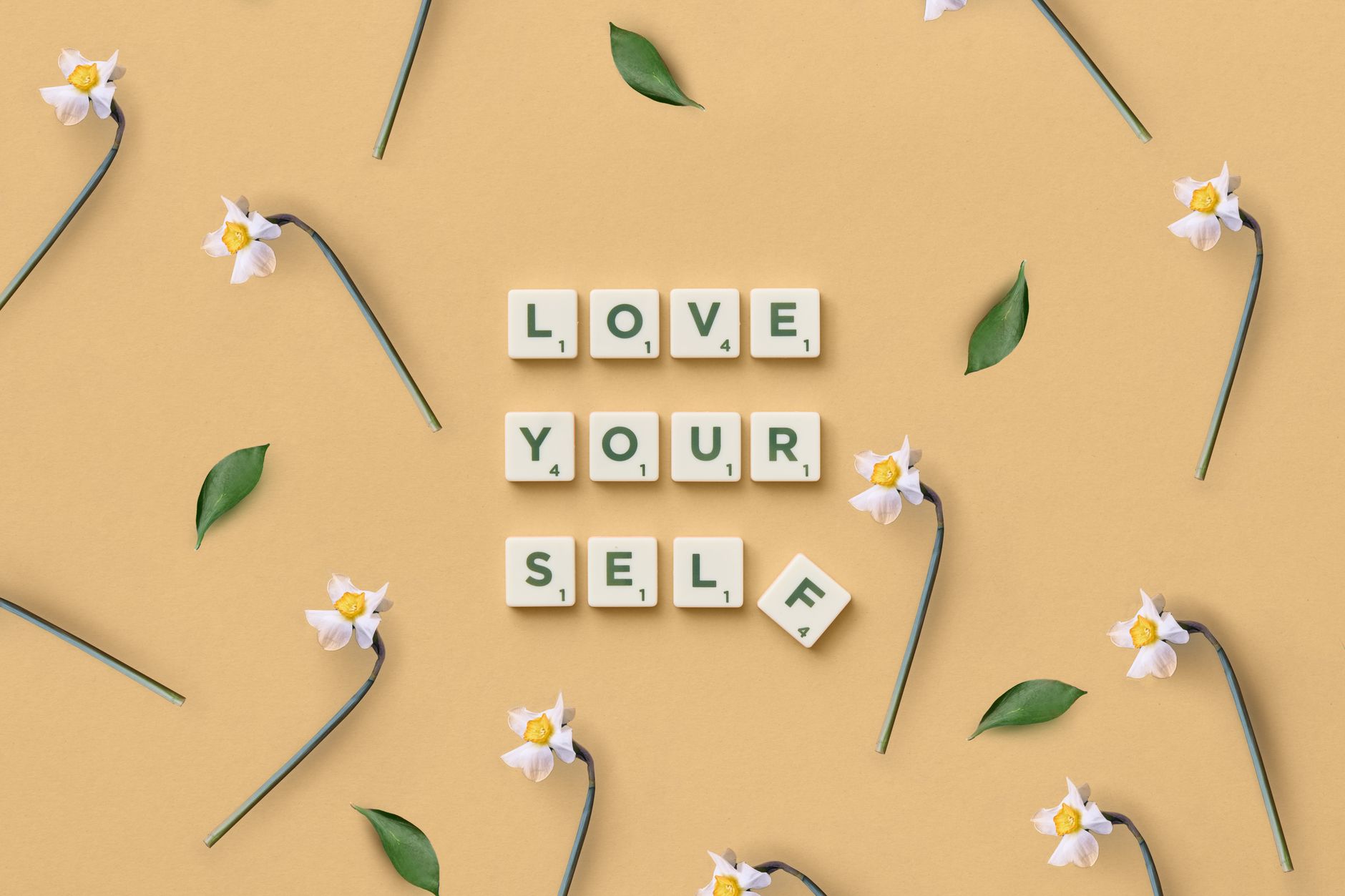
The conclusion is clear: loving yourself first is not an act of selfishness but an act of sovereignty. In an industry designed to make you feel inadequate, choosing to prioritize your well-being is a radical and necessary rebellion. By understanding the psychology of comparison, curating your feed, embracing solo consumption, redefining success, and implementing practical rituals, you transform entertainment from a source of stress into a tool for empowerment. The journey is ongoing, but each intentional choice brings you closer to a life where you are the star of your own story, not a supporting character in someone else’s. Start today. Your future self will thank you.