
The 3-Minute Habit That Rewires Your Brain (Neuroscientists Are Stunned)
I stumbled onto something last month that genuinely messed with my head — in the best way possible.
A neuroscientist friend sent me a study from Brigham Young University. The finding? People who prayed for just a few minutes a day showed measurable changes in brain regions linked to emotional regulation and self-control. I read it three times. Not because it was complicated, but because I couldn't believe how simple the intervention was.
We're talking minutes. Not hours of meditation retreats. Not monastic solitude. Minutes.
And here's the part that really got me: this isn't an isolated study. Over the past decade, a quiet revolution has been happening in neuroscience labs around the world — researchers are finally taking prayer seriously as a subject of scientific inquiry. And what they're finding is... well, let's just say it's making a lot of skeptics uncomfortable.
Your Brain on Prayer: The Science Isn't What You'd Expect
Let me be upfront about something. I grew up in a household where prayer was as routine as brushing teeth. Morning prayers, evening prayers, prayers before exams, prayers when the WiFi went down (my mother's logic: "God knows technology too"). But I never once thought about what was happening inside my skull during those moments.
Turns out, a lot was happening.
Dr. Andrew Newberg at the University of Pennsylvania has been scanning the brains of praying people for over two decades. His research shows that during focused prayer, activity in the prefrontal cortex — the brain's command center for attention and decision-making — ramps up significantly. Meanwhile, activity in the parietal lobes, which help us orient ourselves in space and time, actually decreases.
What does that mean in plain English? The brain essentially enters a state where you feel more connected and less isolated — like you're part of something bigger than yourself. Newberg calls this "neurotheology," and it's one of the most fascinating fields nobody talks about at dinner parties.
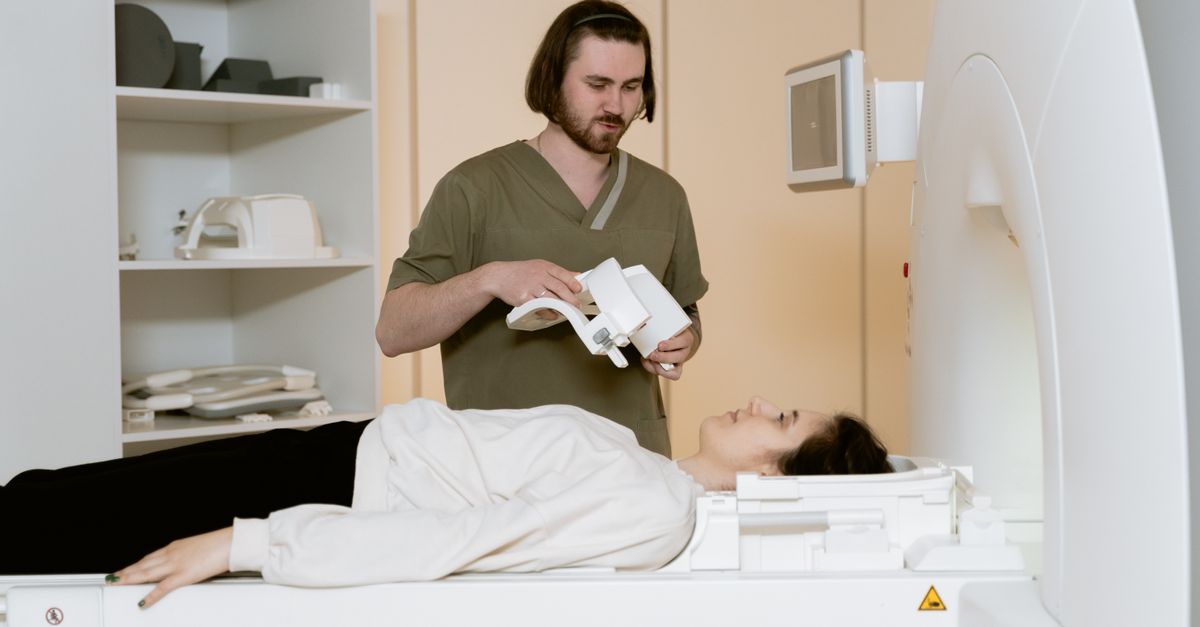
But here's what most people miss: this isn't about proving or disproving God. It's about understanding what prayer does to the person doing the praying. And the findings are surprisingly practical.
The Vagus Nerve Connection Nobody Talks About
Okay, this is where things get really interesting.
There's a nerve in your body called the vagus nerve — it runs from your brainstem all the way down through your heart and digestive system. It's basically your body's built-in calm-down button. When it's stimulated, your heart rate slows, inflammation drops, and your body shifts out of fight-or-flight mode.
Guess what stimulates it? Rhythmic breathing. Chanting. Reciting memorized prayers.
The rosary. The tasbih. The mala. The repetitive "Our Father." Every major faith tradition has some form of rhythmic, repetitive prayer — and from a physiological standpoint, they're all doing the same thing: activating the vagus nerve and pulling the body into a state of deep rest.
I've found that when I'm anxious — like, can't-sleep, mind-racing anxious — reciting something familiar and rhythmic calms me down faster than any breathing app. And now I know why. It's not just psychological. It's wired into my nervous system.
Let's be honest: we've spent years buying $12 meditation apps when our grandmothers had the technique figured out for free.
What the Harvard Study Found That Changed Everything
In 2018, researchers at Harvard's T.H. Chan School of Public Health published a study that followed over 5,000 people for up to 20 years. Their finding?
People who attended religious services regularly had significantly lower rates of depression, anxiety, and even suicide. The effect held even after controlling for social support, health behaviors, and economic status.
Read that again. Even after controlling for social support.
Meaning: it wasn't just about community. There was something about the practice itself — the prayer, the reflection, the ritual — that seemed to protect people's mental health.
Now, I'm not saying prayer is a magic pill. And I'm definitely not saying it replaces therapy or medication when those are needed. But here's what I am saying: the scientific evidence for prayer's psychological benefits is now strong enough that we can't just wave it away as placebo.
And honestly? Even if it were just placebo — placebos work. The brain doesn't care whether the healing comes from a pill or a prayer. It responds either way.
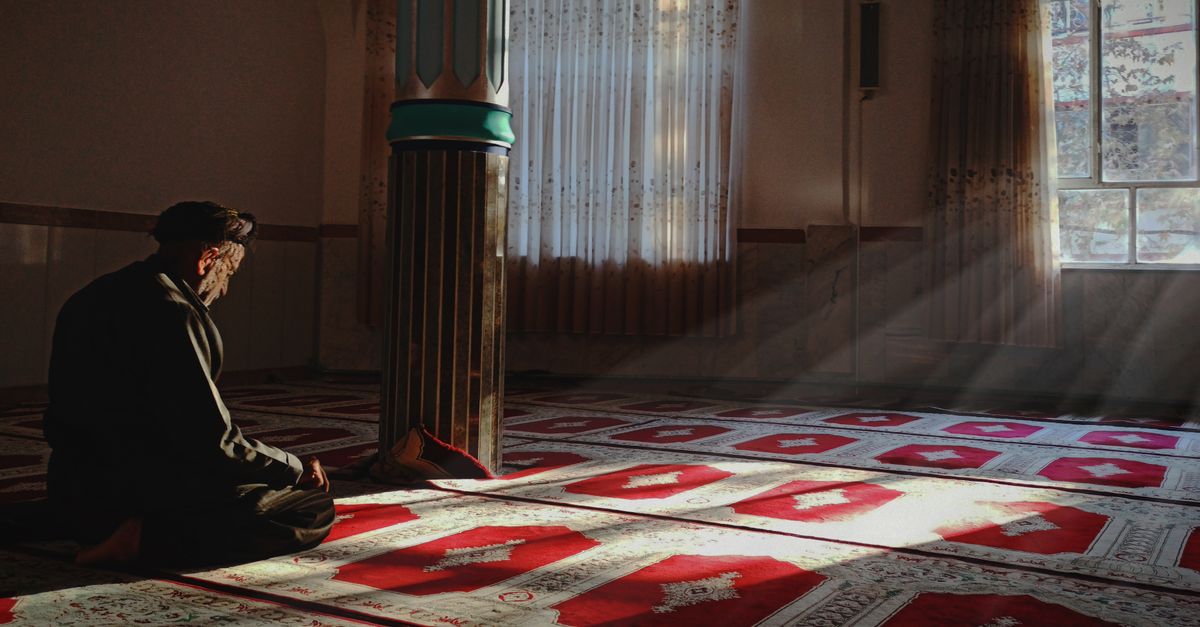
4 Things Research Says Prayer Actually Does to Your Brain
Let me break this down into something you can actually use:
- It lowers cortisol. Studies show that regular prayer and meditation reduce cortisol — your body's primary stress hormone. Lower cortisol means better sleep, better mood, and a stronger immune system.
- It thickens the prefrontal cortex. Long-term practitioners show increased gray matter in areas associated with attention and emotional regulation. Your brain literally builds muscle when you pray consistently.
- It creates a "coherence" state. HeartMath Institute research shows that focused prayer produces a measurable synchronization between heart rhythm and brain waves. This state is linked to improved cognitive performance and emotional stability.
- It activates the reward system. fMRI scans show that prayer activates the same dopamine-reward pathways as other pleasurable activities. That feeling of peace after praying? It's neurochemically real.
Why This Matters More Than Ever Right Now
We're living in the most distracted era in human history. Our brains are being pulled in a thousand directions every waking moment. Anxiety rates are skyrocketing. Loneliness is being called an epidemic.
And in the middle of all this noise, the research is pointing to something ancient and almost embarrassingly simple: sit still, breathe rhythmically, focus your attention on something bigger than yourself, and do it regularly.
You don't need a neuroscience degree. You don't need a $200 meditation cushion. You don't even need to be certain about what you believe.
I've found that the most powerful prayers in my life haven't been the eloquent ones. They've been the desperate, clumsy, two-minute ones muttered in traffic or whispered before a difficult conversation. And according to the science, those count too.
The researchers aren't saying prayer is a substitute for medical treatment or professional help. What they're saying is that prayer is a legitimate, measurable, brain-altering practice — one that humans have been doing for thousands of years, and one that modern science is only now beginning to understand.
So here's my challenge to you: try it for seven days. Three minutes a day. Same time, same place. No phone, no distractions. Just you, your breath, and whatever you call the thing that's bigger than you.
Then tell me your brain didn't change.
I dare you.





