
Imagine a place where turning 100 isn't a rare headline, but a common life milestone. Where your great-grandparents are not just alive, but gardening, walking steep hills, and sharing meals with friends. This isn’t science fiction. It’s the reality in five specific, scattered corners of our planet known as Blue Zones.
Identified by researcher Dan Buettner in partnership with National Geographic, these are regions where people live statistically longer, healthier lives. We’re talking about Okinawa (Japan), Sardinia (Italy), Nicoya (Costa Rica), Ikaria (Greece), and Loma Linda (California). The people here don’t just have more years in their life; they have more life in their years. So, what’s their secret? Is it magic water, a special gene, or just really good olive oil? The fascinating truth is, it’s a powerful, replicable cocktail of environment, community, and daily habit. Let’s pull back the curtain.

The Power of Plant-Based Plates (With a Side of Wine)
First, let’s talk food, because we all want to know what’s on the menu for a 100th birthday. You’ll find no fad diets or complicated calorie counting here. Instead, the Blue Zones diets share a stunningly simple common thread: they are about 95% plant-based. Beans are the cornerstone—black beans in Nicoya, lentils in Ikaria, soybeans in Okinawa. They’re packed with fiber and protein and are a dietary staple.
Meat isn’t forbidden, but it’s treated as a celebratory side dish, consumed only about five times a month. And here’s a fact that might make you smile: all the Blue Zone cultures (except the Adventists in Loma Linda) drink alcohol moderately and regularly, usually 1-2 glasses of red wine per day, with friends and food. It’s not about the binge; it’s about the ritual and the polyphenols. The key takeaway? They’re not eating for weight loss; they’re eating for nourishment, and their plates are overwhelmingly full of whole, unprocessed foods grown from the earth.
Moving Without the Gym Membership
When I picture someone “exercising,” I see gym shorts and a treadmill. The centenarians in Blue Zones flip that script entirely. They live in environments that nudge them into moving naturally every 20 minutes or so. There are no labor-saving devices doing the heavy lifting.
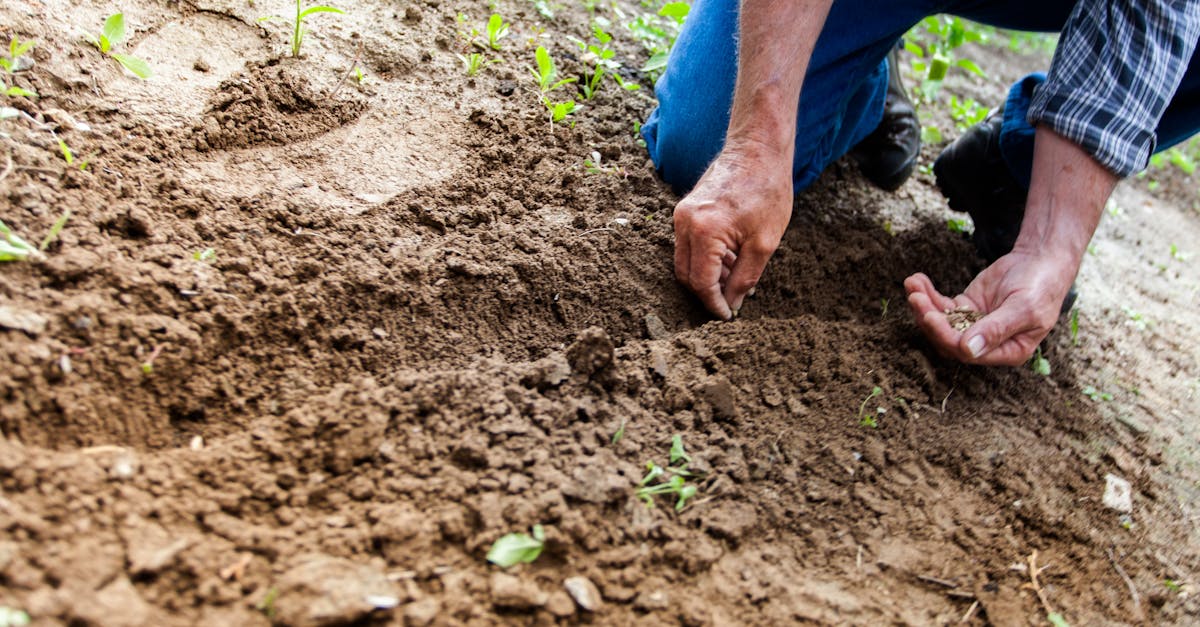
In Sardinia, they shepherd flocks up and down steep mountainsides. In Okinawa, they garden on their knees, getting up and down from the floor dozens of times a day (a fantastic practice for balance and leg strength). In Ikaria, they walk to their neighbor’s house, tend to their vineyards, and chop wood.
They don’t run marathons or do HIIT workouts. They simply move, consistently, at a low intensity, throughout the entire day. Their world is designed for incidental activity, not sedentary convenience. This constant, low-grade movement burns calories, keeps joints lubricated, and maintains muscle mass without the wear and tear of high-impact sports.
The Forgotten Longevity "Vitamin": Purpose & Community
Here’s what most longevity discussions miss: it’s not just the body, it’s the spirit. In Okinawa, they call it Ikigai—your “reason for waking up in the morning.” In Nicoya, it’s Plan de Vida*. This sense of purpose is linked to lower stress and a reason to stay active and engaged. Knowing you matter adds years.
But purpose is amplified by powerful social connections. Blue Zones are masters of this. They put family first, keep aging parents and grandparents nearby, and invest in their children. They belong to a right tribe—social circles that support healthy behaviors. Ever notice how habits are contagious? In Loma Linda, the Adventist community’s shared values around health and Sabbath rest create a powerful positive feedback loop.
Perhaps most tellingly, they all have a strong connection to a faith-based community. The denomination doesn’t seem to matter much; the act of attending services a few times a month is linked to 4-14 extra years of life expectancy. It’s about belonging, ritual, and a weekly timeout from the grind.
The Art of Downshifting Daily Stress
Let’s be honest—stress leads to chronic inflammation, which is linked to every major age-related disease. Blue Zone cultures have built-in, centuries-old rituals to shed that stress. Okinawans take a moment each day to remember their ancestors. Adventists in Loma Linda observe the 24-hour Sabbath. Ikarians take a mid-day nap.
They aren’t meditating with an app; they are practicing cultural, communal de-stressing. They also prioritize sleep. Getting 7-9 hours isn’t a luxury; it’s non-negotiable maintenance. Their lives have a rhythm of activity and rest that modern life has all but erased.

Can You Build Your Own Mini Blue Zone?
The most hopeful part of this science is that it’s not about finding a magic pill. It’s about shaping your environment to make the healthy choice the easy choice, and the joyful choice. You don’t need to move to a Greek island (though it sounds nice). You can:
- Make connections a priority. Schedule regular meals with family. Call a friend for a walk instead of a coffee. Join a club.
- Re-engineer your kitchen. Make fruits and vegetables the most visible, accessible items. Cook a big pot of beans on Sunday.
- Incorporate natural movement. Get a standing desk, take walking meetings, park farther away, get down on the floor to play with kids or pets.
- Cultivate purpose. Ask yourself what brings you joy and where you feel needed. Volunteer. Learn a new skill. Mentor someone.





