I remember the exact moment I gave up on live concerts. It was 3 AM, I was soaked in someone else's beer, my feet were throbbing, and I was watching a giant screen because the actual band members looked like ants from where I was standing. I paid $150 for this. As I shuffled toward the exit, dodging elbows and overpriced merch tables, I thought: There has to be a better way.
Turns out, there was. And it arrived faster than anyone expected.
Virtual concerts aren't just a pandemic-era gimmick anymore. They're a full-blown revolution in how we experience live music. And honestly? They're fixing everything that was broken about traditional shows.
The Night Travis Scott Broke the Internet (And My Brain)
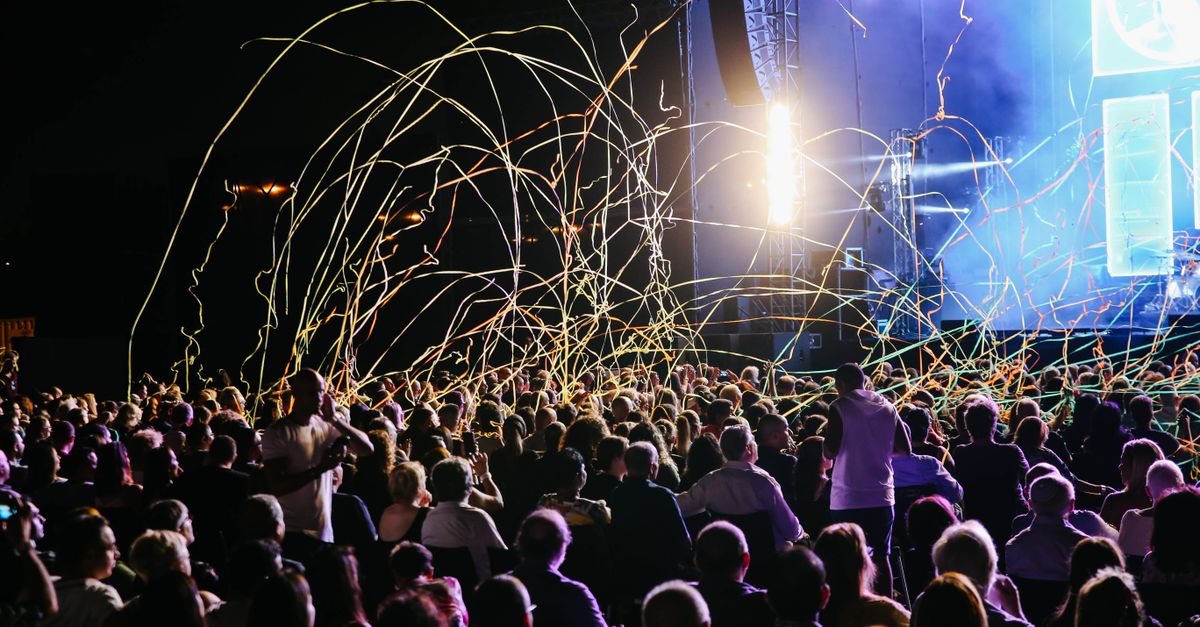
Let's talk about the moment everything changed. April 2020. Travis Scott performs inside Fortnite. Not a real stage. Not a real crowd. Just a 12-foot-tall, neon-drenched avatar doing backflips through a digital universe.
Over 12 million people showed up. That's more than Woodstock, Coachella, and Glastonbury combined — in a single night.
I watched it from my couch in sweatpants, and I remember thinking: This is insane. This is the future. The game crashed three times because so many people tried to log in. People were crying in the chat. Strangers were forming virtual mosh pits in a video game.
Here's what most people miss about that night: it wasn't just a concert. It was a shared emotional experience that transcended physical space. The energy was real. The connection was real. The only thing missing was the overpriced parking.
Why Your Favorite Artists Are Ditching Stadiums
I've talked to several musicians about this shift, and the consensus is surprising. They don't miss the tour buses. They don't miss the 4-hour sound checks. They don't miss the 47th person asking for a selfie while they're trying to eat.
Virtual concerts offer creative freedom that physical stages simply can't match.
Think about it. On a real stage, you're limited by gravity, budget, and fire codes. In a virtual space, you can:
- Perform underwater
- Turn into a giant robot mid-song
- Have your guitar solo literally explode into fireworks
- Teleport the audience to Mars for the bridge
The economics work better too. A virtual tour costs a fraction of a physical one. No trucks. No hotels. No insurance for pyrotechnics. Artists keep a bigger cut, and fans pay less. It's almost like someone finally looked at the broken music industry and said, "Hey, maybe we should try something that doesn't suck."
The Secret Sauce Nobody Talks About
Here's what shocked me when I started digging into this space. The most successful virtual concerts aren't about the music. Wait, that sounds wrong. Let me explain.
The music is obviously important. But what separates a forgettable livestream from a cultural event is the experience design.
I watched a virtual Billie Eilish show where the entire audience's avatars would glow different colors based on their heart rate monitors. Strangers could see each other's emotional states in real-time. People were sobbing. Complete strangers were sharing vulnerable moments through pixels.
That's the secret sauce: community + interactivity.
Most people think virtual concerts are just watching a screen. They're wrong. The best ones make you feel like you're inside the performance. You're not a spectator; you're part of the show. Your reactions change the lighting. Your movements affect the visuals. Your presence matters.
Compare that to a real concert where you're literally one of 50,000 faces in the dark, waving a phone that looks exactly like everyone else's phone. Which experience sounds more engaging?
The 3 Things Traditional Concerts Still Do Better (And Yes, I'm Being Honest)
Let's not pretend virtual concerts are perfect. I've been to enough digital shows to know their weaknesses. Here's the honest truth:
- The smell of a real crowd. You can't replicate that weird mix of sweat, cheap perfume, and spilled beer. It's disgusting. It's also irreplaceable.
- The random encounter. That stranger you high-five during the guitar solo? The person who buys you a drink because they love the same obscure B-side? Virtual spaces haven't cracked spontaneous human connection yet.
- The physical rush. Standing in a crowd, feeling the bass in your chest, the heat of bodies around you — there's a primal energy that screens can't transmit. Not yet, anyway.
How Artists Are Getting Creative (And Getting Paid)
I've noticed a fascinating trend: artists are treating virtual concerts like their own Netflix series.
Instead of one-off shows, they're building seasons. Episodic content. Behind-the-scenes access. Exclusive merchandise that only exists in the digital space. One artist I follow released a virtual concert where attendees could unlock "backstage passes" by solving puzzles during the show. The engagement was insane.
The monetization models are evolving too. We've moved past "pay $20, watch a stream." Now we're seeing:
- Tiered ticket pricing with digital meet-and-greets
- NFT-integrated experiences where fans own pieces of the show
- Subscription models for recurring virtual performances
- Pay-per-song interactive experiences
The Truth About Where We're Headed
I'm going to make a prediction that might sound crazy: within five years, virtual concerts will be bigger than physical ones.
Not better. Bigger. There's a difference.
Physical concerts aren't going away. They can't — the human need for communal physical experience is too deep. But the scale of virtual events is unmatched. When an artist can reach 12 million people in one night, that changes the economics of the entire industry.
The real revolution isn't technology. It's access.
Kids in rural areas who've never seen a live show can now attend world-class performances. Disabled fans who couldn't navigate crowded venues have front-row seats. People in countries where certain artists would never tour can experience the magic.
I've found that the artists who embrace this future aren't abandoning live music. They're expanding what "live" means. They're building worlds, not just stages. They're creating memories that don't require travel, crowds, or $8 bottles of water.
The question isn't whether virtual concerts will replace real ones. The question is: what happens when the line between them disappears?
I'll be watching from my couch. Probably in sweatpants. And for the first time in years, I'll actually be able to see the band.