
I still remember the exact moment I realized virtual concerts weren't just a pandemic-era gimmick. It was 11:47 PM on a Tuesday last October, and I was watching a DJ set from my couch in sweatpants while 4.2 million other avatars danced around me in a neon-lit virtual Tokyo. No lines for the bathroom. No $18 beers. No dude elbowing me in the ribs during the drop.
Here's the stat that should make every concert promoter nervous: virtual concert attendance hit 380 million unique users globally in 2024, according to MIDiA Research — a 47% jump from the previous year. That's not a niche anymore. That's a parallel industry.
The Moment Live Music Stopped Being Physical
Let's be honest about something uncomfortable. The traditional concert model has been broken for years. Ticket prices have outpaced inflation by a ridiculous margin, bots snatch up the good seats in seconds, and if you live anywhere outside a major metro area, you're looking at a $400 weekend minimum just to see an artist you love.
So when I first tried a proper VR concert in early 2024 — not a 360-degree YouTube video, an actual spatial experience with head tracking and binaural audio — I expected to hate it. I'm a live music snob. I've stood in muddy fields at festivals and paid way too much for vinyl at merch tables. Virtual shows felt like a betrayal of everything I loved.
I was wrong. And here's what most people miss: the technology finally caught up to the ambition.
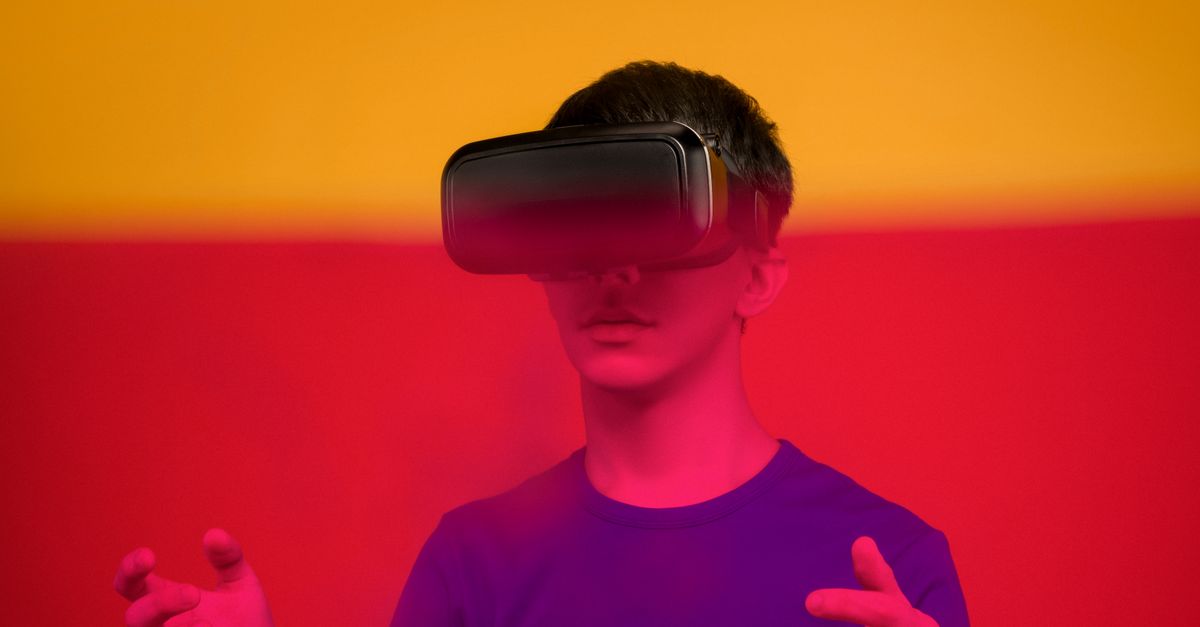
What AR and VR Actually Do That a Stage Never Could
The magic isn't in replicating a real concert. It's in doing things a physical venue physically cannot.
Take Travis Scott's "Astronomical" Fortnite event — sure, that was 2020, ancient history in tech years. But 2025's versions are operating on another level entirely. Artists are now performing as ten-story-tall holographic figures while the audience floats through custom environments. You can stand inside the music visualizer. You can watch a guitarist's fingers from three feet away, then teleport to the back of the virtual stadium and see the entire crowd pulsing in sync.
A few things that genuinely blew my mind this year:
- Haptic vests and gloves that let you "feel" bass drops in your chest — I tried one at a demo in Austin and it's genuinely uncanny.
- AR overlays at real venues, where your phone turns the person next to you into a glowing light being during the chorus.
- Artist-controlled economies — buying a virtual t-shirt that your avatar wears to every show, or unlocking backstage rooms with NFT-style passes.
- Global synchronized moments — 2 AM in Tokyo, 7 PM in London, all singing the same chorus at the same time. That shouldn't work emotionally, but it absolutely does.
The Money Math Nobody Wants to Talk About
Artists are noticing the economics.
A mid-tier touring artist plays maybe 40 cities on a good album cycle. A virtual concert can reach 40 countries in one night. No trucks, no crew of 60, no insurance headaches over weather. Platforms like Wave, AmazeVR, and whatever Meta's cooking up next are cutting deals that look increasingly attractive when physical touring costs have ballooned past sustainability.
Is it the same as being there? No. Obviously not. But 380 million people who either can't afford, can't travel, or can't physically attend real shows are showing up somewhere. That's a market that didn't exist a decade ago.
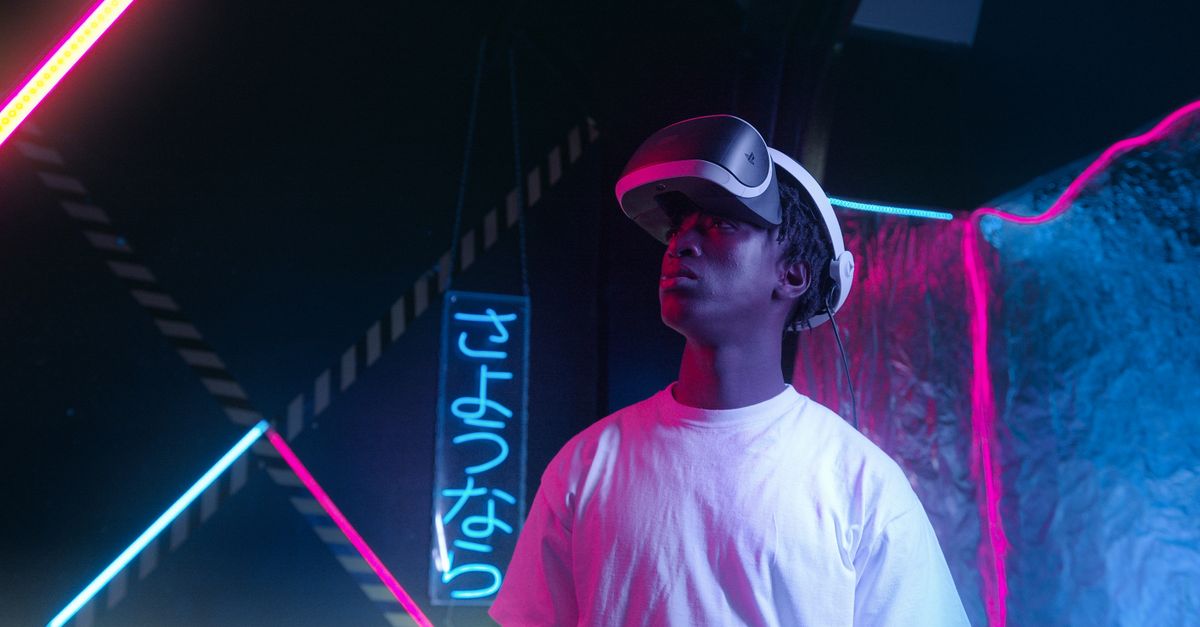
Where It Gets Weird (And Why That's Good)
Here's the part that makes traditionalists squirm. Virtual concerts aren't trying to replace live music. They're creating something adjacent — a new category of experience that borrows from concerts, video games, and social media all at once.
I watched a set last month where the artist's avatar morphed between five different visual styles mid-song based on crowd reactions. The audience literally shaped the performance in real time. Try doing that at Madison Square Garden.
The skepticism is fair, though. Latency issues still ruin the experience for some users. Headsets are still clunky and expensive. And there's a real question about whether the novelty wears off once the tech becomes normal. Remember when 3D movies felt revolutionary? Exactly.
But the trajectory is clear. Apple's Vision Pro successors, Meta's continued investment, and a generation that grew up in Roblox and Minecraft don't see virtual spaces as lesser — they see them as default. For them, a concert where you can fly is just... a concert.
The Question Worth Asking Yourself
So here's my challenge to you. Next time an artist you love announces a virtual show, don't roll your eyes. Buy the $15 ticket. Put on whatever headset you can borrow or buy the cheapest one that works. Give it one full song before you decide.
Because the live music industry is splitting into two lanes, and one of them is growing way faster than the other. You don't have to abandon the sweaty, beer-soaked, magical chaos of a real show. But pretending the other lane doesn't exist? That's how you end up the person still insisting MP3s will never catch on.
The future of live music isn't either/or. It's both. And it's already here — you just have to put on the headset.
What's the one artist you'd pay to see in VR? Drop it in the comments — I'm genuinely curious whether the answers skew toward artists who are already dead (hologram territory) or ones who'd never tour your city.