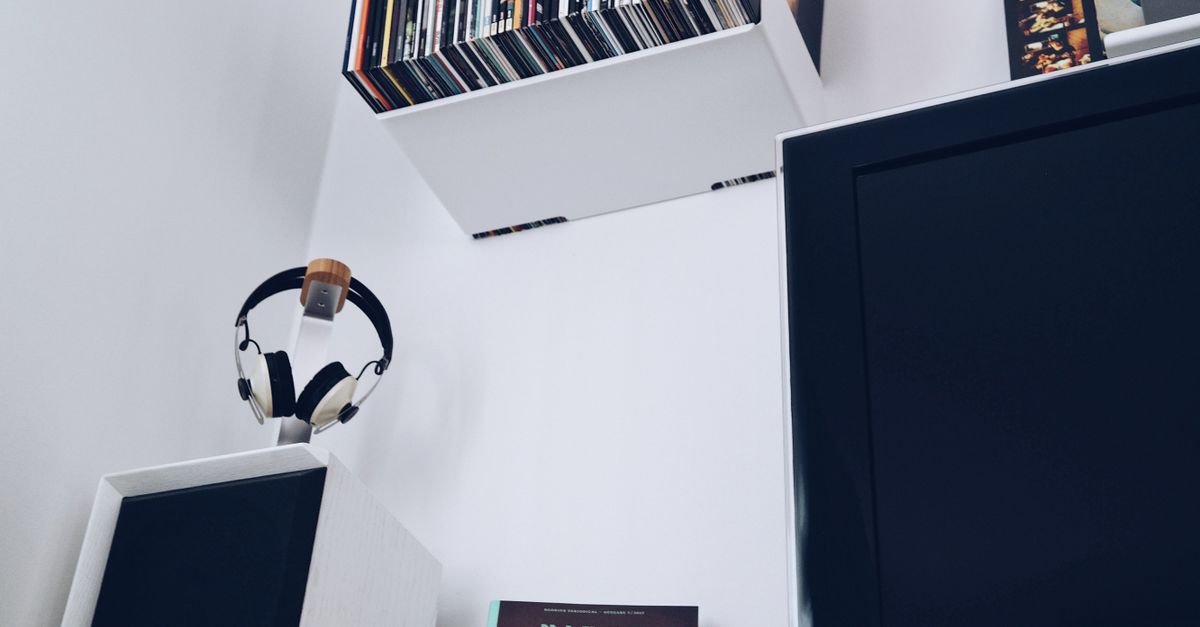
Alright, let’s cut the nostalgia bait. The vinyl revival isn’t about Boomers reliving their Woodstock glory days. It’s about a generation that grew up swiping left, streaming on shuffle, and storing their entire music library in a cloud. And somehow, Gen Z is driving the vinyl market harder than anyone else.
Here’s the controversial truth: Vinyl isn't a retro fad. It's a digital rebellion. And if you think it’s just hipsters flexing their record collections on Instagram, you’re missing the real story.
Let’s break down why a generation raised on Spotify is shelling out $30+ for a slab of black plastic that skips if you breathe on it.
The "Better Sound" Lie That Actually Holds Water
Everyone rolls their eyes when an audiophile says vinyl sounds "warmer." But here’s what most people miss: digital audio is a mathematical approximation of sound. It’s a series of 1s and 0s. Vinyl is a continuous physical groove — a literal analog waveform carved into the record.
Now, does that make it objectively better? No. But for Gen Z, the experience of imperfect sound is more valuable than crystal-clear perfection. I’ve found that when I play a record, I hear pops and crackles that remind me the music is alive, not just a file on a server.
Let’s be honest — most people can’t tell the difference between a 320kbps MP3 and a vinyl rip in a blind test. But that’s not the point. The point is intention. When you drop the needle, you’re committing to an album. You can’t skip to the next track in two seconds. You have to listen. And in an age of infinite distraction, that’s a radical act.
The 3 Things Streaming Platforms Will Never Give You
Streaming is convenient. It’s also soulless. Here’s what vinyl offers that Spotify, Apple Music, and Tidal can’t:
- Physical Ownership — You don’t own a digital song. You have a license that can be revoked. A vinyl record sits on your shelf. It’s yours. You can touch it, smell it, display it. In a world where everything is ephemeral, owning a physical object is a quiet act of defiance.
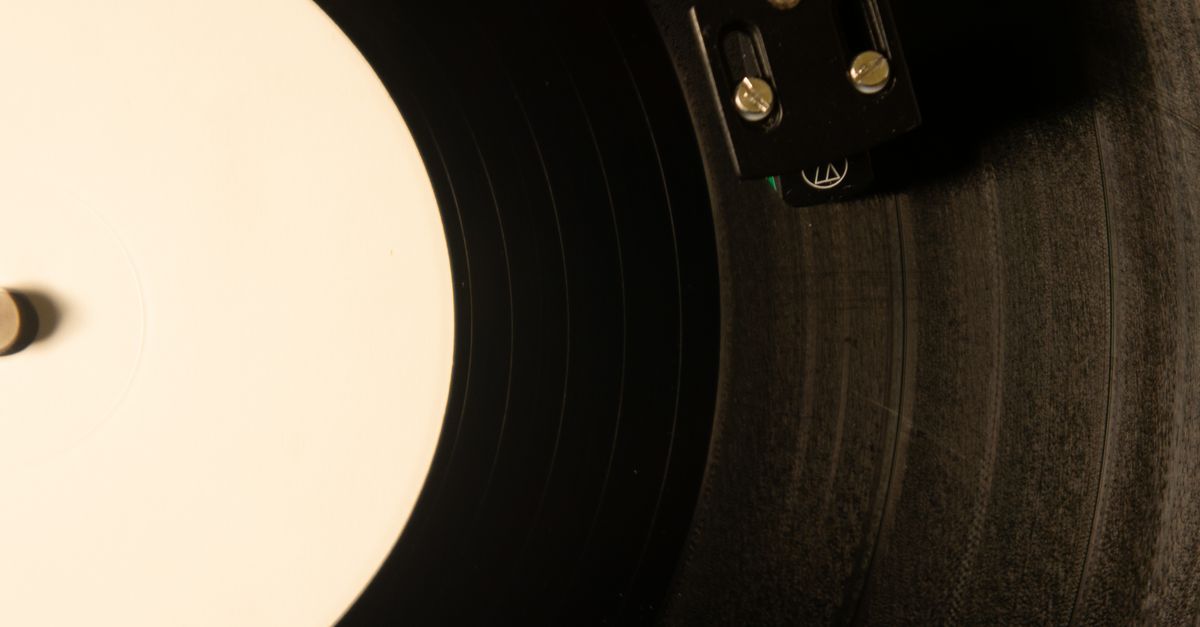
- The Ritual — Think about it. You don’t just “play” a record. You pull it from the sleeve, clean it, place it on the turntable, cue the needle, and lower it. That’s a ceremony. It forces you to slow down. The act of listening becomes an event, not background noise while you scroll TikTok.
- The Artwork — Album covers used to be 12x12 canvases. Now they’re tiny thumbnails. Gen Z has rediscovered the joy of holding a gatefold sleeve, reading liner notes, and staring at the cover art while the music plays. It’s a full sensory experience, not just an audio file.
The Social Media Paradox: How Instagram Actually Saved Vinyl
Here’s the irony that most analysts miss: Social media didn’t kill vinyl — it revived it. Gen Z lives for aesthetic moments. A turntable in your dorm room, a record spinning with a warm lamp behind it, a stack of colored vinyl — that’s pure Instagram gold.
But it’s not just about looks. Vinyl has become a social currency. When you buy a record, you’re not just buying music — you’re buying a conversation starter. You bring it to a party, people ask about it. You post it on your story, someone comments "omg love that album." It’s a tangible way to signal taste and identity in a digital world where everyone’s playlists look the same.
And let’s not ignore the thrill of the hunt. Gen Z loves digging through crates at record stores, finding a rare pressing, or ordering a limited edition drop. That dopamine hit of snagging a colored vinyl variant before it sells out? That’s the same rush as a limited drop from Supreme or a rare sneaker release. It’s FOMO turned into a hobby.

The Economics of Nostalgia (And Why It’s Not Going Away)
Let’s talk numbers because the data backs this up. In 2023, vinyl records outsold CDs for the first time since 1987. And the biggest demographic driving that growth? 18-25 year olds. Record labels are scrambling to press more albums because demand is outstripping supply.
But here’s the secret: It’s not just about old music. Gen Z is buying vinyl of new artists too — Taylor Swift, Olivia Rodrigo, Billie Eilish, Tyler, The Creator. These artists release multiple vinyl variants (colored, picture discs, exclusive editions) to fuel the collector mentality.
I’ve seen people drop $100 on a single record because it’s a limited pressing. That’s not nostalgia for a time they never lived through — that’s collector culture meeting music fandom. And it’s only going to grow.
The vinyl industry is now a billion-dollar market, and it’s not a bubble. Why? Because the experience of vinyl can’t be replicated by streaming. You can’t download the feeling of pulling a record out of its sleeve. You can’t stream the tactile satisfaction of dropping the needle.
The Hidden Truth: Vinyl is More Expensive, But Also More Meaningful
Let’s address the elephant in the room — vinyl is expensive. A new record costs $25-$40. A turntable setup can run you $200-$500. Compared to $10/month for unlimited streaming, it makes zero financial sense.
But here’s what most people miss: Gen Z isn’t buying vinyl as a replacement for streaming. They’re buying it as a supplement. They still use Spotify for playlists and discovery. Vinyl is for curation. It’s for the albums that matter most. The ones you want to own, not just access.
Think of it this way: Streaming is like fast food — quick, easy, and forgettable. Vinyl is like a home-cooked meal — takes effort, costs more, but leaves you satisfied. Gen Z is hungry for meaning, and vinyl delivers it in a way that infinite playlists never can.
What This Means for the Future of Music
The vinyl revival isn’t a trend. It’s a cultural correction. For years, the music industry pushed convenience over connection. Streaming made everything accessible, but it also made everything disposable. Vinyl brought back the idea that music should be treasured, not just consumed.
I think we’re going to see more hybrid models — artists releasing vinyl exclusives with digital download codes, or pressing limited runs for die-hard fans. And I wouldn’t be surprised if we see a vinyl subscription box boom in the next few years.
But the real takeaway is this: Gen Z isn’t rejecting technology. They’re rejecting the emptiness of it. They want something real to hold onto — literally. And in a digital age where everything is intangible, vinyl offers a rare moment of physical connection to the music they love.
So next time you see a 20-year-old spending $35 on a record by a band that broke up before they were born, don’t roll your eyes. They’re not being nostalgic. They’re being intentional. And that’s something we could all learn from.
Now go spin something good. I’ll be over here queuing up my next purchase.