
You know that feeling when you walk into a place and the barista already knows your order? Or when the librarian nods at you like you're a regular, even if you've only been there three times? That's not just convenience — that's a lifeline in an age of digital isolation. Here's a shocker: a 2023 study from the University of Oxford found that people who regularly visit "third places" report 40% lower rates of loneliness than those who don't. But here's the kicker — those same people also have stronger immune systems. Yes, a good cafe might literally keep you from getting sick.
Let's be honest: we've been sold a lie about social connection. We're told it happens through screens — through likes, DMs, and Zoom happy hours. But the data tells a different story. The average American now spends 87% of their time indoors, and the other 13% is mostly in transit. We've lost the art of accidental interaction. And that's where third places come in — the unsung heroes of human connection.
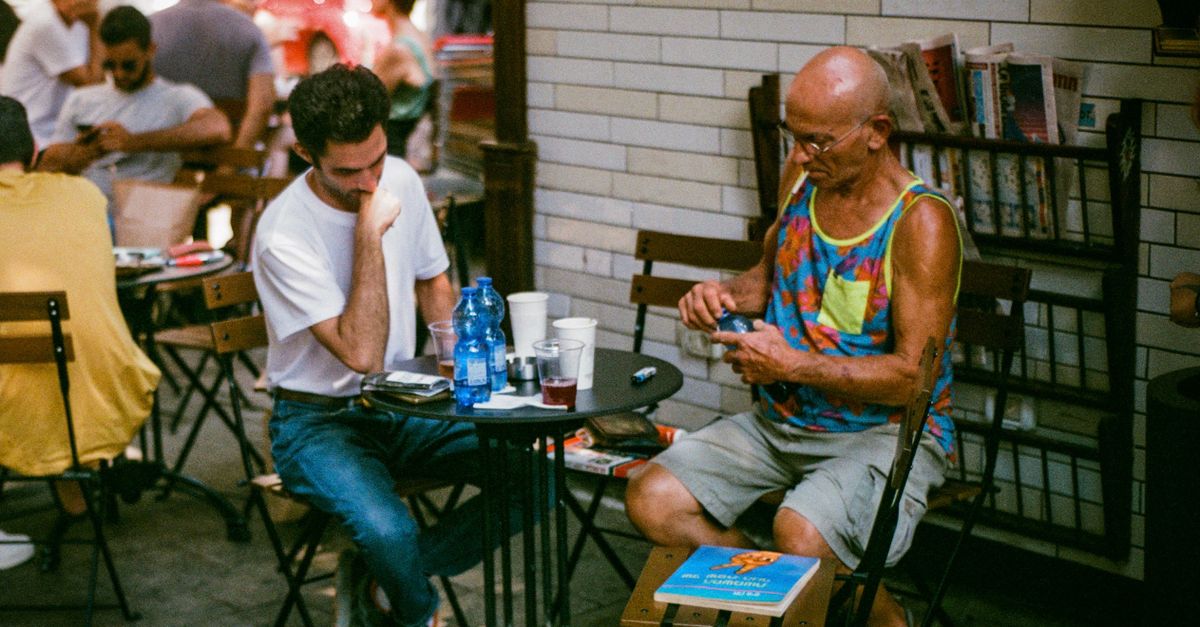
The Death of the Water Cooler and the Birth of the Coffee Shop
Remember when offices had water coolers? Those magical spots where you'd bump into Janet from accounting and discover she's actually a competitive salsa dancer. Remote work killed that. Now, we're all in our "I'm working from home" pajamas, and the only water cooler is the fridge. The modern workplace has destroyed serendipity.
I've found that the best conversations happen not when you're trying to connect, but when you're just existing in the same space as others. That's why cafes have become the new town squares. They're not just about caffeine — they're about context. You sit there with your laptop, and suddenly you're part of a silent community. The guy next to you is writing a novel. The woman in the corner is sketching. The barista is curating a playlist that's just weird enough to be interesting.
Here's what most people miss: third places work because they're low-stakes. You don't have to be friends. You don't have to talk. You just have to be there. And that's exactly what makes real connection possible. When you see the same faces week after week, you start to nod. Then you smile. Then you ask, "What are you reading?" And before you know it, you've got a new friend.
Libraries: The Silent Social Networks You're Ignoring
Okay, let's talk about libraries. I know what you're thinking: "Jakub, libraries are for introverts and old people." Wrong. Libraries are the most underrated social spaces on the planet. They're the only third place that's completely free, air-conditioned, and judgment-free.
Here's the secret: libraries are designed for parallel presence. You're not supposed to talk loudly, but you're surrounded by people. It's like a meditation retreat, but with books and free Wi-Fi. I've seen teenagers doing homework together, elderly men reading newspapers side by side, and moms with toddlers having whispered conversations. It's social connection without the pressure of socializing.
The numbers back this up. Library visits have actually increased by 12% since 2020, while bookstore visits dropped by 30%. People are craving spaces that don't require a purchase to exist. Libraries are the last bastion of community without commerce. And in a world where everything costs something, that's revolutionary.

Parks: The Original Social Network (No Wi-Fi Required)
Here's something weird: parks are the only third place where you can be alone and connected at the same time. You're in a public space, surrounded by strangers, but you're also in your own world. It's the perfect balance.
I've found that parks force you to interact with reality. You can't scroll through Instagram while you're trying not to trip over a tree root. You can't ignore the dog that wants to play fetch with you. And you definitely can't avoid the guy playing guitar badly but enthusiastically. Parks are the antidote to digital isolation because they demand physical presence.
The science is clear: spending time in green spaces reduces cortisol levels by 15% and increases social bonding hormones like oxytocin. But here's the part they don't tell you: parks work because they're unpredictable. You never know who you'll meet. That's the magic. A park bench is a stage for random encounters — the kind that make life interesting.
The 3 Things That Make a True Third Place
Not every cafe, library, or park qualifies. Here's what separates the real third places from the wannabes:
- Neutral ground — You don't have to be invited. You don't need a membership. You can just show up.
- Low barrier to entry — It's cheap (or free), accessible, and doesn't require special skills.
- The "regular" effect — People notice when you're not there. The barista asks where you've been. The librarian saves you a spot.
Why Your Phone Is Killing Your Third Place Experience
Here's the tough truth: you're probably ruining your own third place experience. You go to the cafe, but you're on your laptop the whole time. You go to the park, but you're taking photos for Instagram. You go to the library, but you're scrolling TikTok.
The third place only works if you're actually present. I've realized that I wasn't getting the benefits of third places because I wasn't actually in them. I was just moving my screen to a different location. The moment I put my phone away — even for 15 minutes — everything changed. I noticed the conversations around me. I made eye contact. I accidentally smiled at a stranger.
Here's what I want you to try: next time you go to a cafe, leave your headphones at home. Sit at the counter, not a table. Order something small and stay for an hour. Let yourself be bored. That's where the magic happens. Boredom leads to observation. Observation leads to curiosity. Curiosity leads to connection.
The Future Is Analog (and That's a Good Thing)
We're seeing a massive cultural shift back to analog spaces. Co-working spaces are incorporating cafes. Libraries are redesigning for social interaction. Parks are hosting yoga classes and book clubs. The third place is evolving, but it's not dying.
I've found that the best third places are the ones that embrace imperfection. The cafe with the squeaky door. The library with the broken elevator. The park with the rusty swings. These aren't flaws — they're character. They're reminders that real life is messy and beautiful.
So here's my challenge to you: find your third place this week. Not a place you think you should go, but a place that feels right. Maybe it's the cafe around the corner. Maybe it's the library you haven't visited since high school. Maybe it's the park where the old guys play chess. Go there. Sit. Stay. Don't check your phone.
You might be surprised what happens when you just let yourself be part of a place. You might find connection in the most unexpected way. And honestly? That's the only way it ever really works.


