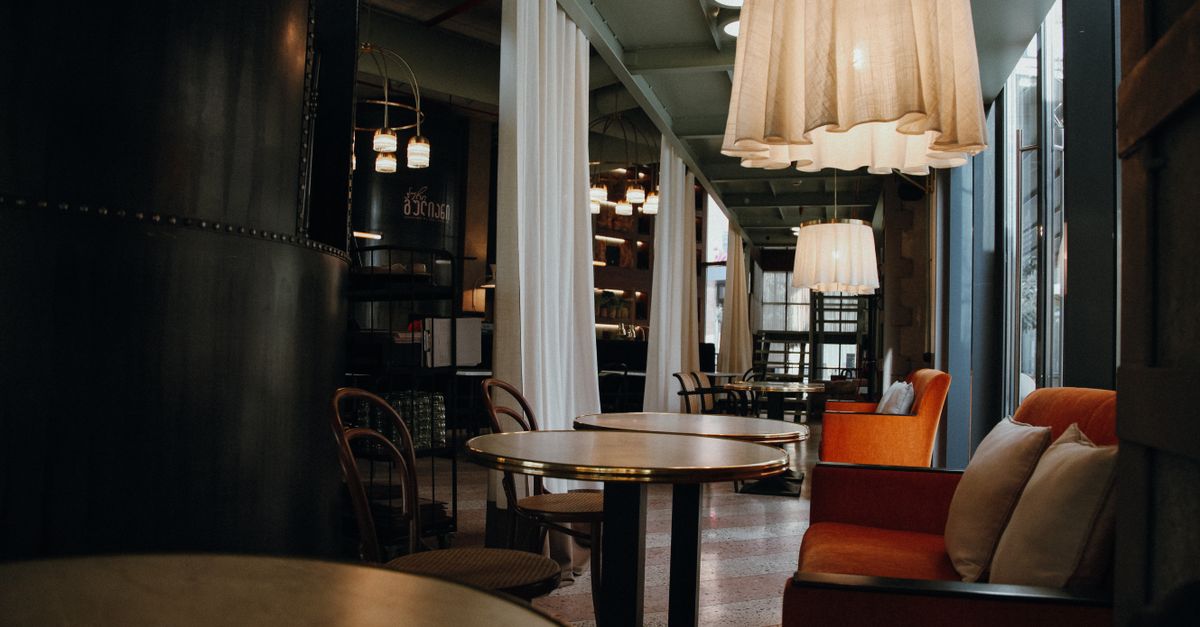
Picture this: it's 9 p.m. on a Tuesday, and I'm sitting in a café two blocks from my apartment, nursing a lukewarm oat milk latte and pretending to work on a spreadsheet. Around me, a group of retirees is arguing about chess, a pair of grad students are sketching something on a napkin, and the barista knows everyone's order by heart. Nobody's buying much. Nobody's leaving, either.
Here's the thing — I didn't come here for the coffee. I came because my apartment was making me weird. And apparently, I'm not the only one.
The $12 Latte That's Actually a Membership Fee
Let's be honest about something uncomfortable: we've become a nation of people who pay rent for the privilege of being alone. Remote work, streaming, delivery apps, and the slow death of the "just drop by" friendship have turned our homes into these self-contained pods where we can technically survive without ever having a real, unplanned conversation with another human.
I've found that the café down the street functions as a sort of low-stakes social membership — you pay $6 for a drink, and in return you get to exist in a room with other people without any of the obligations of hosting. You don't have to clean your apartment. You don't have to make small talk if you don't want to. You just... sit there. Together. It's a beautiful, weird contract.
Sociologists call these third places — spaces that aren't home (first place) or work (second place). Ray Oldenburg coined the term back in the 1980s, and for decades it felt like a quaint academic concept. Now it feels like a survival strategy.
Why Your Local Library Might Be the Most Underrated Financial Asset in Your Neighborhood
Here's where the finance angle gets genuinely interesting — and no, I'm not about to write a boring piece about budgets.
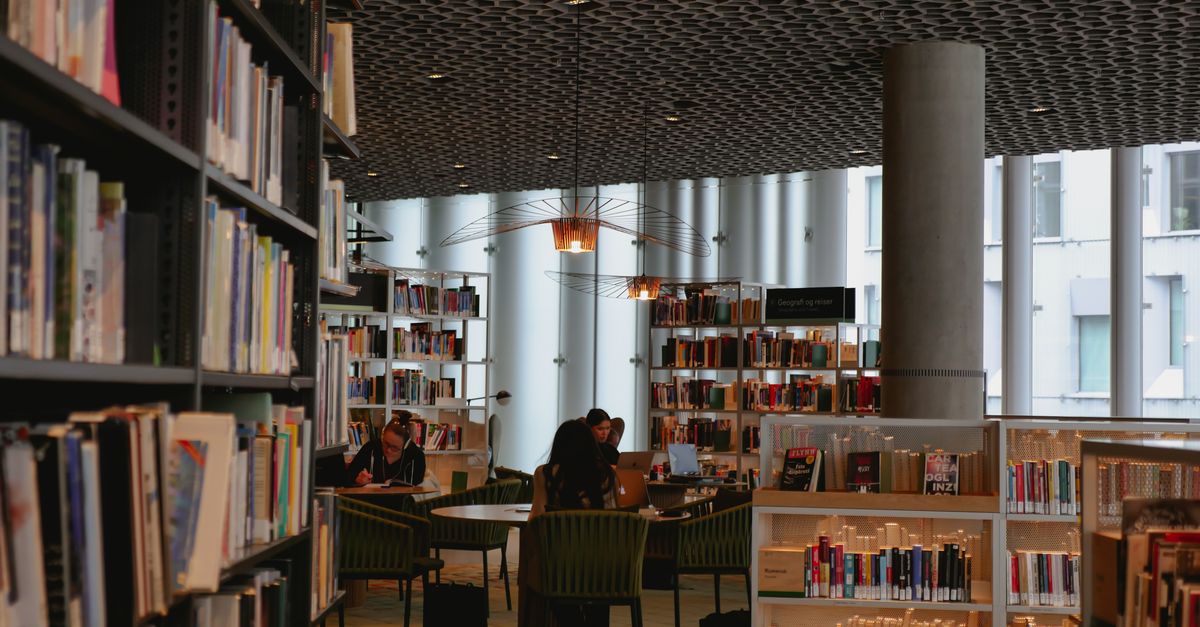
Think about what a library actually gives you for free. Wi-Fi, heating, air conditioning, quiet workspace, meeting rooms, kids' activities, job-search resources, printing, and — in many cities — access to tools, sewing machines, and even 3D printers. The average American library card unlocks hundreds of dollars of value per year, and most people who have one use it to check out three books and never think about it again.
I've found that during the stretches when money was tight (and there have been a few), the library was the one place I could go that didn't ask me to spend anything to exist. That's not a small thing. Third places are quietly one of the most egalitarian forms of financial infrastructure we have — a café costs you a few bucks, but a library costs you nothing and asks nothing in return.
Here's what most people miss: when a town loses its library or its independent café, it doesn't just lose a building. It loses a free or low-cost social safety net that no app can replace.
The Hidden Economics of Just Showing Up
I want to push on this a little, because the numbers actually back up the vibe.
- Loneliness is expensive. Research keeps linking social isolation to higher healthcare costs, worse mental health outcomes, and lower productivity. Some economists have tried to put a dollar figure on it — and it's in the billions.
- Third places reduce friction. A gym membership costs $40/month and requires motivation. A café costs the price of a coffee and requires a walk. The lower the barrier, the more likely you actually go.
- Local spending compounds. Every dollar spent at an independent café or bookstore tends to circulate in the local economy far more than a dollar spent at a chain or online.
The Coworking Café Is Eating the Office
The pandemic scrambled our relationship with the office, and what's emerged is this hybrid, messy middle ground. Some people have a desk at home. Some have a desk at work. And a whole lot of us are just... roaming.
I've noticed that the cafés near me have quietly rebranded themselves. They have outlets now. Fast Wi-Fi. Long tables. A "no laptops after 6 p.m." rule that somehow makes them feel more like a living room than a workspace. The best ones have figured out that people will pay a premium to feel like they belong somewhere — and that's a lesson the corporate world is still catching up on.
If you're freelancing, running a small business, or just trying to stay sane, here's my unsolicited advice: pick a third place and go there on a schedule. Not because you need to, but because the regularity is the whole point. You'll start to recognize faces. The barista will remember your name. Some tiny, unglamorous version of community will happen to you, and it'll cost less than therapy.
The Quiet Comeback Nobody's Talking About
There's a cynicism I keep hearing — that community is dead, that nobody wants to leave the house, that we're all just scrolling in our pods. I don't buy it. I've watched a library knitting group triple in size. I've seen a café host a chess night that now spills onto the sidewalk. People are hungry for this. They just needed a place to go that didn't feel like a commitment.
The rise of third places isn't a trend piece about aesthetic coffee shops. It's a quiet, stubborn response to a real problem: we built a world where convenience replaced connection, and we're realizing it was a terrible trade.
So here's my challenge to you this week. Find your third place. Not the one with the best Instagram lighting — the one where you actually feel comfortable. Go twice. Order something small. See what happens.
Because if we want our neighborhoods to stay alive, we have to show up. That's the whole trick. Nobody's going to do it for us.