You know that feeling when you scroll through your phone for 45 minutes, then realize you remember absolutely nothing you just saw? Yeah, me too. Here's the little-known fact that stopped me cold: the average person now consumes 74GB of data per day. That's the equivalent of watching 16 movies. Every. Single. Day. And we wonder why we feel exhausted by 10 AM.
I've started noticing something strange in my own life. The days I get the most done aren't the days I pack my calendar like a sardine can. They're the days I do three things — slowly, deliberately, and well. This isn't some wellness guru nonsense. This is math. You cannot optimize your way to peace. But you can choose to do less, better.
Welcome to 2024, where the hottest trend isn't a new app or a productivity hack. It's the radical, almost rebellious act of slowing down.
The Productivity Trap We All Fell Into
Let's be honest — we've been sold a lie for the last decade. The hustle culture, the grindset, the "rise and grind" nonsense that turned our mornings into corporate battle cries. We were told that doing more equals being more. More emails. More side hustles. More meetings. More content consumption.
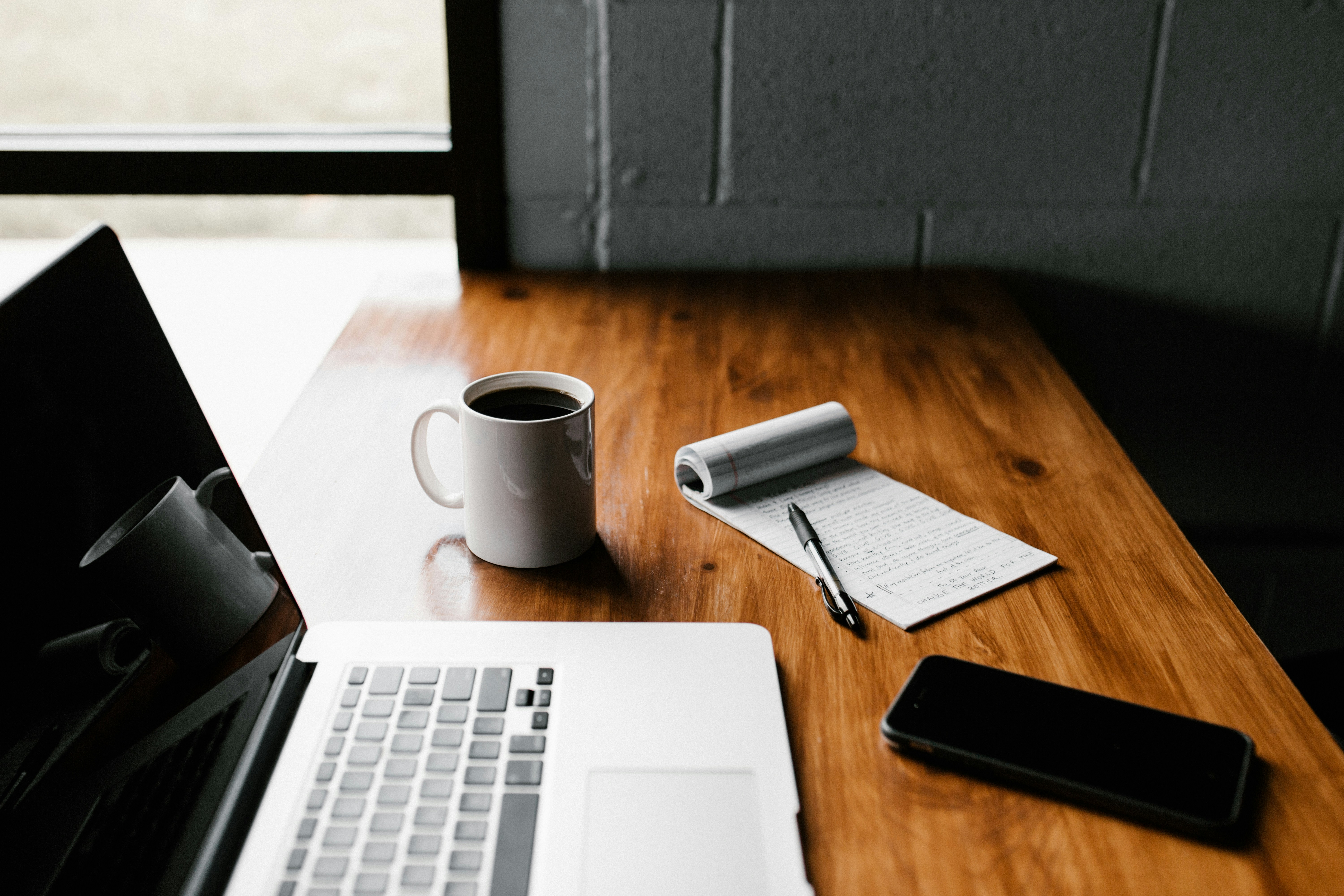
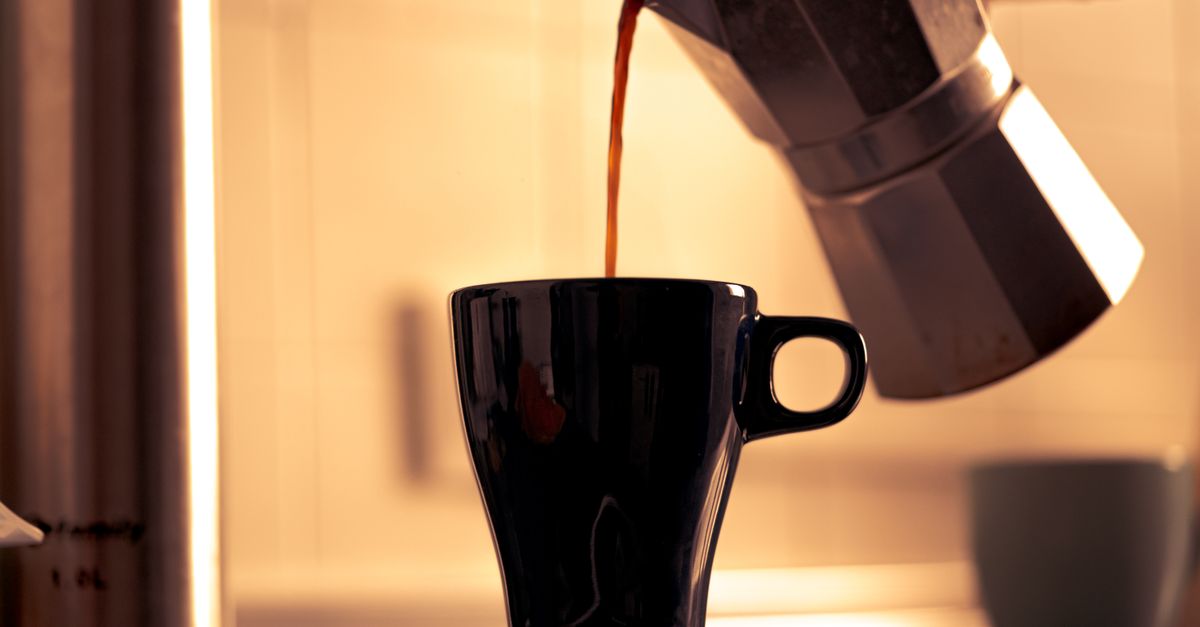
Here's what most people miss: productivity culture is actually a tax on your attention. The more you optimize, the more you fragment. You become great at checking boxes but terrible at actually living. I've found that my best ideas never come during a "deep work session" with a timer ticking. They come when I'm walking my dog, staring at clouds, or making a terrible cup of coffee that forces me to slow down and taste failure.
The data backs this up. A 2023 study from Stanford found that multitasking reduces your cognitive capacity by the same amount as staying up all night. Think about that. Every time you switch between tasks, you're essentially operating drunk on exhaustion. And we wonder why burnout rates hit record highs in 2023? We've been running on empty for years.
What 'Slow Living' Actually Means (Spoiler: It's Not Lazy)
Here's where I see most people get it wrong. They think slow living means quitting your job, moving to a cabin, and weaving baskets. That's not slow living — that's a fantasy that ignores your mortgage.
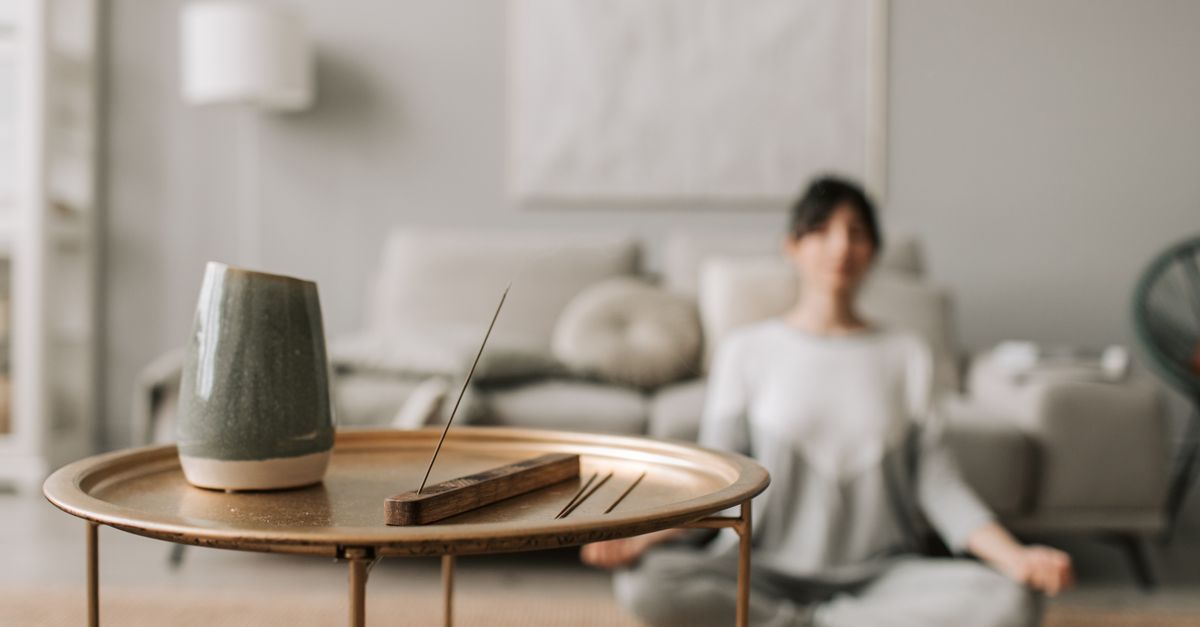
Slow living, in its real 2024 form, is about intentionality. It's the practice of doing fewer things with more presence. It's choosing the one book over the four half-read ones. It's cooking one meal that nourishes you instead of ordering three mediocre takeouts. It's saying "no" to the networking event so you can say "yes" to sleep.
I've found that the most powerful slow living practice is something boring: the deliberate pause. When you feel the urge to check your phone, wait three seconds. When you want to say yes to another commitment, sleep on it. When you're eating, just eat — no phone, no podcast, no Netflix.
The results are immediate. Your anxiety drops. Your focus sharpens. You start actually tasting your food. Revolutionary, right? But we've forgotten how to do it because speed has become our default mode.
The 3 Things I Stopped Doing (And Why My Life Got Better)
I'm not here to give you a 47-step plan. That would defeat the purpose. But here are three specific things I cut out in 2024 that transformed my relationship with time:
1. I stopped consuming content before 9 AM. No news. No social media. No emails. The first hour of my day belongs to me — stretching, staring out the window, writing in a journal. The world will still be burning at 9:01. Trust me.
2. I stopped saying "yes" to things I don't actually want to do. This sounds obvious, but it's terrifyingly hard. I now use a rule: if it's not a "hell yes," it's a "no." This has cost me some relationships. But it's also freed up space for the people and projects that actually matter.
3. I stopped trying to optimize my hobbies. I used to track my reading speed. I measured my running pace. I gamified cooking. Then I realized I was treating leisure like a second job. Now I read slowly. I run without a watch. I cook without a recipe. The joy came back when the metrics left.
Why 2024 Is the Year of 'Less But Better'
Here's the secret that nobody tells you: the economy is actually shifting to reward depth over breadth. Look at the data. Premium, high-quality products are selling out while cheap, disposable goods gather dust. People are paying for experiences that last — not for things that clutter. The rise of quiet luxury, the rejection of fast fashion, the boom in subscription boxes for small-batch coffee — these are all symptoms of the same shift.
We're collectively realizing that we've been optimizing for the wrong metric. We optimized for quantity of tasks instead of quality of life. We optimized for speed instead of satisfaction. We optimized for productivity instead of presence.
Companies are catching on too. Remote work forced us to confront the question: "If I'm not busy, am I even valuable?" And the answer, for many of us, was terrifying. Our identity was wrapped up in output. Slow living forces you to separate your worth from your workload. It's uncomfortable. But it's necessary.
How to Start Without Overthinking It
You don't need a 90-day slow living challenge or a $400 course. You need one small shift. Here's my advice:
Pick one activity you do every day and do it at half speed. Your morning coffee. Your commute (if you still have one). Your shower. Just one thing. Notice the difference. Feel the texture. Hear the sounds. Taste the bitterness.
That's it. No app. No tracker. No guru. Just you, doing one thing slowly.
I've found that once you taste the sweetness of slowness, you start wanting more. You start noticing how much of your life is spent in a frantic blur. And you start making different choices. Not because someone told you to. Because you felt the difference.
The Real Cost of Speed
Here's what keeps me up at night: we've normalized living at a pace that is biologically unsustainable. Our bodies weren't designed to process 74GB of data a day. Our nervous systems weren't built for constant notifications. Our souls weren't meant to be optimized.
The rise of slow living isn't a trend. It's a survival mechanism. It's our collective nervous system screaming "enough." And the beautiful thing? You don't need permission. You don't need to wait for society to slow down. You can start right now. Put down your phone. Take a deep breath. Look at something that isn't a screen.
Do less. Do it better. Watch what happens.