
Did you know that pickleball participation has skyrocketed by over 450% since 2020, and in 2025, it is officially the fastest-growing sport in America for the fifth consecutive year? I’m not making this up. While you were busy debating whether LeBron is better than Jordan, a plastic ball with holes quietly took over your local park, your retirement community, and now, your favorite sports channel. Let’s be honest—when I first heard about pickleball, I thought it was a joke. A sport named after a dog? A paddle that looks like a giant ping-pong racket? But here’s the truth: pickleball isn’t just a fad. It’s a revolution. And in 2025, it’s dominating the sports world in ways no one saw coming.
The "Old People" Myth Is Dead (And Gen Z Killed It)
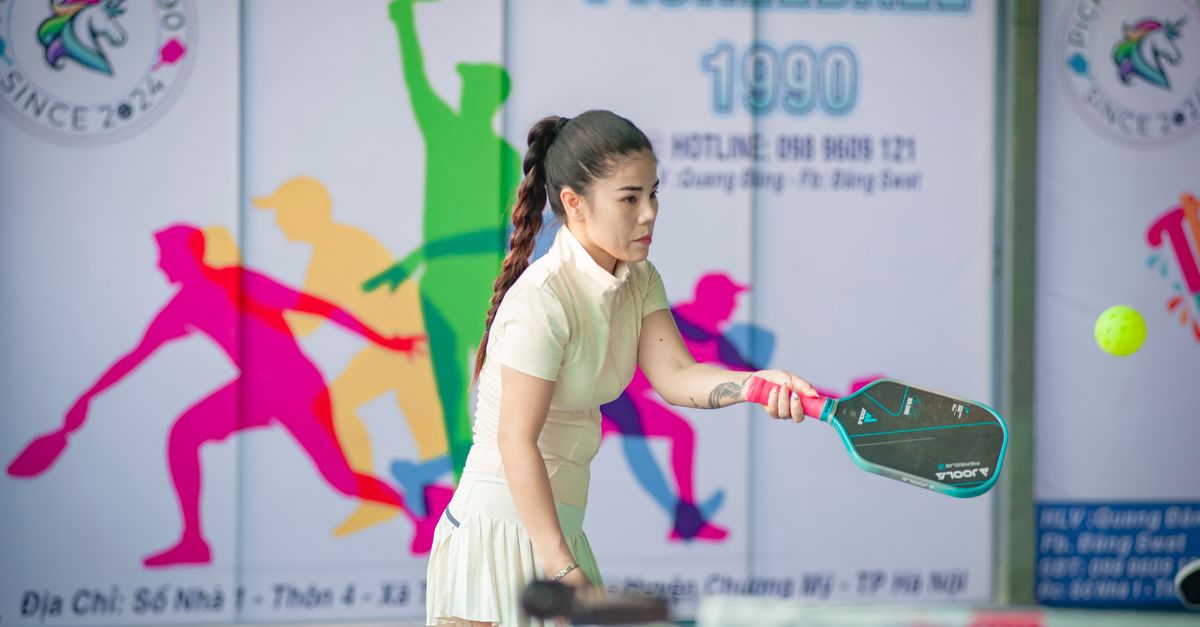
Everyone loves to label pickleball as “the sport for retirees.” I’ll admit, five years ago, that stereotype had teeth. You’d see a few gray-haired folks dinking around on a converted tennis court, and you’d chuckle. But here’s what most people miss: Gen Z and Millennials have hijacked the game. In 2025, over 40% of new pickleball players are under 35. I’ve seen college kids skipping basketball games to hit the courts, and influencers trading gym selfies for paddle shots. Why? Because pickleball is social in a way that running on a treadmill isn’t. You can talk, laugh, and trash-talk your buddy while breaking a sweat. Plus, the barrier to entry is absurdly low. You don’t need to be a world-class athlete to have fun. You just need a paddle, a ball, and a sense of humor.
I’ve found that the real secret to pickleball’s rise isn’t the sport itself—it’s the community. Walk onto any public court in 2025, and you’ll see a mix of teenagers, office workers, and grandparents playing doubles. It’s the only sport where a 70-year-old can hold their own against a 25-year-old because the game rewards strategy over raw power. That’s rare. That’s magic.
The 3 Things That Make Pickleball Addictive (According to Science, Sort Of)
Let’s break down why this game hooks you. I’ve played dozens of sports—tennis, basketball, even competitive dodgeball (don’t judge). None of them hit like pickleball. Here’s my unscientific breakdown:
- The Dink Shot is a Drug — You know that feeling when you hit a perfect drop shot that barely clears the net and dies? It’s like a dopamine hit. The “dink” is a soft, strategic shot that forces your opponent to run forward, then scramble back. Mastering it feels like solving a puzzle. I’ve spent entire evenings just trying to perfect my dink. No joke.
- Games Are Short, Matches Are Long — A single game of pickleball lasts about 15-20 minutes. But you’ll play five, six, seven games in a row because “just one more” becomes your mantra. It’s the Chipotle of sports—you think you’re done, but you’re back in line ten minutes later.
- The Noise is Weirdly Satisfying — That pop-pop-pop sound of the ball hitting paddles is oddly hypnotic. I’ve read articles comparing it to the sound of rain on a tin roof. I don’t know about that, but I do know it’s the only sport where the sound itself makes me want to play more.
Why 2025 is the Year Pickleball Broke the Mainstream
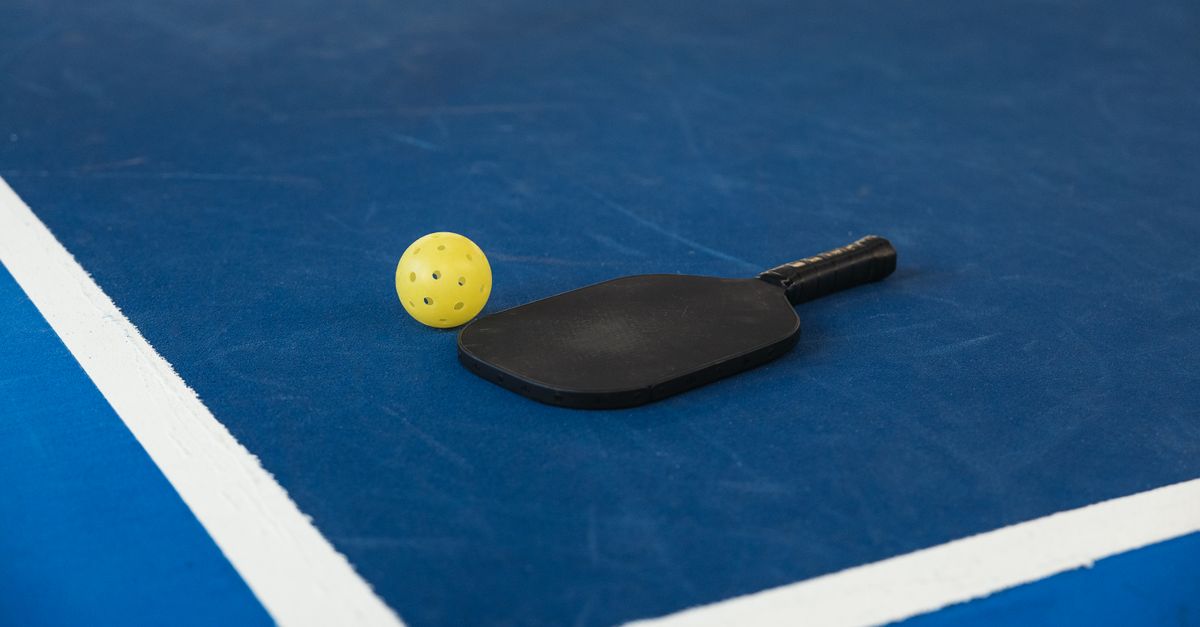
You can’t ignore the numbers. In 2024, the Professional Pickleball Association (PPA) signed a multi-billion dollar broadcasting deal with ESPN and Amazon Prime. Now, in 2025, you can watch pickleball tournaments live on your phone while waiting for coffee. Celebrities like Leonardo DiCaprio and Emma Watson have been spotted playing. Even LeBron James invested in a Major League Pickleball team. I’m serious—the guy who makes billions from basketball now owns a piece of the plastic ball empire.
But here’s the real kicker: cities are redesigning public spaces for pickleball. Tennis courts are being converted at record rates. In my own neighborhood, three tennis courts were repainted with pickleball lines last year. The local parks department told me they had to add lighting because people were playing until 10 PM. That’s not a trend. That’s a cultural shift.
And let’s talk about the economics. Pickleball paddle sales in 2025 are projected to exceed $500 million globally. There are now designer paddles with carbon fiber faces and honeycomb cores—some costing over $300. I bought a mid-range one for $80, and I feel like a pro. But the real money? Private pickleball clubs are popping up in major cities, charging $100+ per month for membership. In New York, a club called “The Dink” opened in SoHo and has a waiting list of 2,000 people. Two. Thousand. For a sport with a funny name.
The Hidden Cost of Pickleball’s Success
Let’s not pretend it’s all sunshine and dinks. Pickleball is loud. That pop-pop-pop I mentioned? Tennis players hate it. I’ve seen viral videos of neighbors complaining about the noise, and some HOA meetings have turned into full-blown civil wars. In 2025, cities are now grappling with noise ordinances specifically targeting pickleball courts. Some communities have banned new courts within 500 feet of homes. It’s become a genuine controversy.
And then there’s the injury factor. I’ve twisted my ankle twice chasing down a ball that I could have easily let go. Doctors are calling it “pickleball elbow” (like tennis elbow, but for us normal people). Emergency rooms have reported a 200% increase in pickleball-related injuries since 2021. Most are minor—sprains, falls—but the sport’s rapid growth means more people are playing without proper warm-ups. My advice? Stretch. Seriously. I learned the hard way.

The Surprising Truth About Pickleball’s Future
Here’s what I think most analysts miss: pickleball isn’t replacing tennis or badminton. It’s creating an entirely new category of sport—one that prioritizes accessibility over athleticism. In 2025, we’re seeing the rise of “pickleball tourism,” where people travel to resorts specifically for pickleball vacations. Retirement communities are now marketing themselves based on their pickleball facilities. There are even pickleball cruises. I’m not joking.
But the biggest shift? Pickleball is becoming a family sport. I’ve seen parents and teenagers playing together without the usual angst. It’s rare to find an activity where a 12-year-old and a 50-year-old can genuinely compete on an even playing field. That’s the real secret sauce. It’s not about winning or losing—it’s about the shared experience.
So, what’s next? I predict that by 2027, pickleball will be an Olympic demonstration sport. The momentum is too strong to ignore. And if you haven’t tried it yet, do yourself a favor. Grab a paddle, find a court, and prepare to lose an entire afternoon. But don’t say I didn’t warn you about the addiction.
Now, go pick up a paddle. The dink is waiting.


