I was 37, drinking a lukewarm beer in a suburban Arizona cul-de-sac, watching my dad—a man who once swore tennis was the only "real" racquet sport—chase a perforated plastic ball across a court barely bigger than a two-car garage. He was laughing. Sweating. Trash-talking a 22-year-old. I looked at the paddle in my hand, a solid piece of composite with a gritty surface, and realized I wasn't bored. I was hooked. That's the dirty little secret of pickleball. It doesn't announce itself with a bang. It creeps up on you like a guilty pleasure, and before you know it, you've canceled your gym membership and bought a second pair of court shoes.
Let's be honest: for years, I dismissed it as "senior citizen ping-pong." I was wrong. Dead wrong. The data is now impossible to ignore. According to the Sports & Fitness Industry Association, pickleball participation has grown over 150% in the last three years. It is, officially, America's fastest-growing sport. But the numbers don't tell the full story. They don't explain why a sport with a ridiculous name is converting tennis players, converting CrossFitters, and—most shockingly—getting Gen Z to put down their phones.
The 3 Hidden Mechanics That Make It Addictive
Most people think pickleball is just "small tennis." They miss the physics. They miss the psychology. Here's what most people miss: the kitchen.
The "kitchen" (the seven-foot no-volley zone on either side of the net) is the sport's genius. In tennis, you can stand at the baseline and blast forehands all day. In pickleball, that strategy gets you killed. The court is too small. The ball is too slow. If you stay back, a good player will drop-shot you into oblivion. The game forces you forward, into the kitchen, where the real action happens—a delicate, high-stakes dance of dinks, resets, and soft hands.
This creates a unique tension. It's not just about power (though power helps). It's about control under pressure. I've found that the best pickleball players aren't the strongest hitters; they're the ones who can slow the game down. They have the emotional patience to trade soft shots until someone blinks. That's why it hooks you. You're not just playing a sport; you're playing a chess match where the pieces move at 20 miles per hour.
Why Your Knees Will Thank You (But Your Ego Might Not)
Here's the brutal truth: aging sucks. Your joints ache. Your recovery time triples. But you still need the dopamine hit of competition. That's where pickleball becomes a lifeline.
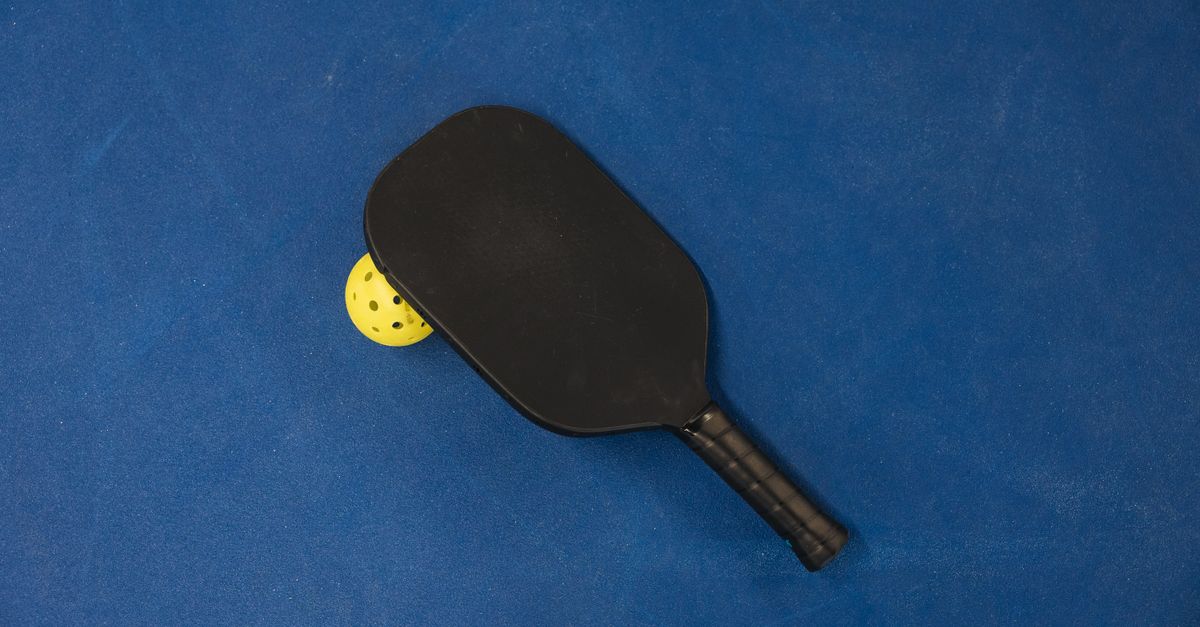
I've watched former D1 tennis players limp onto a pickleball court and get absolutely schooled by a 60-year-old woman with a titanium hip. Why? Because pickleball rewards placement over power. The ball doesn't bounce high. The court is small. You don't need a 120-mph serve. You need consistency and court IQ.
This is the sport's secret weapon for longevity. It's low-impact on knees and hips—the ball is hollow plastic, not pressurized rubber—but high-impact on your brain. You have to read angles, anticipate bounces, and manage the "double bounce rule" (the ball must bounce once on each side before volleys are allowed). It's a puzzle wrapped in a paddle.
But let's not sugarcoat it: the learning curve is real. Your first few games will involve a lot of hitting the ball into the net. Your ego will take a hit. Stick with it for one week, and the muscle memory clicks. Then you're hooked.
The Social Paradox: How a Weird Name Built a Community
I've played basketball in rough gyms. I've run marathons in silence. Nothing prepares you for the social weirdness of pickleball.
Pickleball is the only sport where strangers become friends within 15 minutes. Picture this: you show up to a public court alone. Within two minutes, someone hands you a paddle and says, "You're with me. We're playing against Bob and Susan. Bob cheats on line calls, so watch him." That's it. You're in.
The sport has a built-in social architecture. Games are short (to 11, win by 2). Courts are small. You're standing 14 feet from your opponent. You have to talk. You have to laugh. The name itself—"pickleball"—makes it impossible to take yourself too seriously. Try trash-talking someone in pickleball without smiling. It's physically impossible.
I've found that this social ease is why the sport is exploding. In an era of isolation and screen time, pickleball offers low-friction human connection. You don't need a team. You don't need a reservation. You just need a paddle and a willingness to look silly for 20 minutes.
The Equipment Trap: What You Actually Need (And Don't)
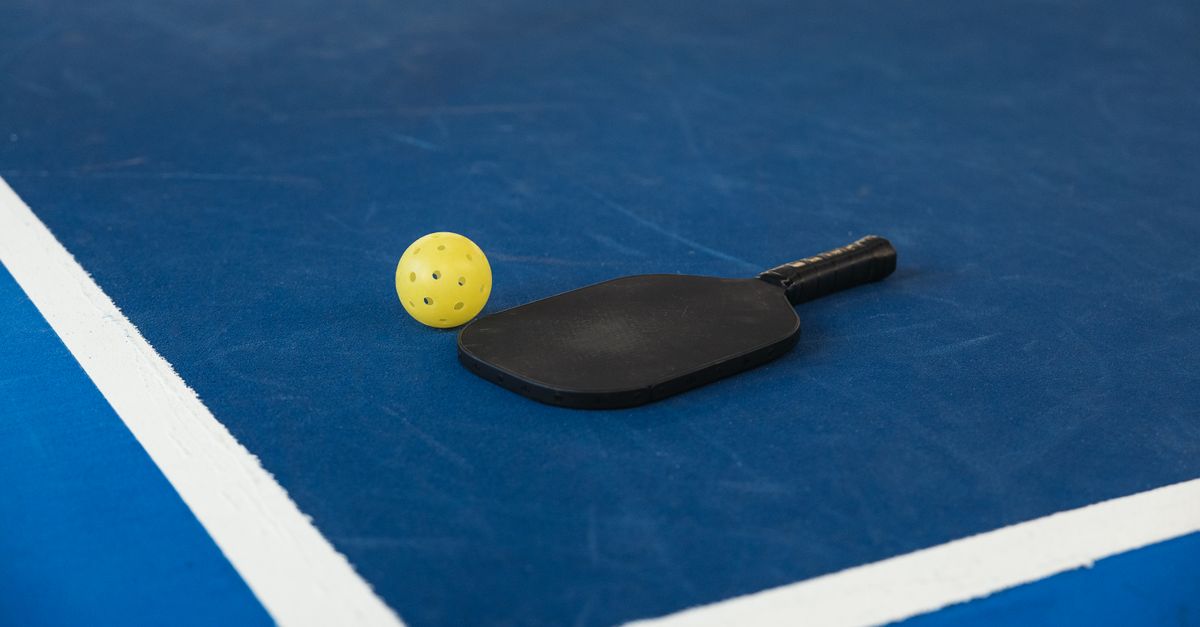
Let's talk gear, because the industry is trying to trick you. I walked into a big-box sporting goods store last month and saw a paddle for $250. Do not buy a $250 paddle as a beginner. You don't have the technique to use it. You'll just hit the ball into the net with more expensive materials.
Here's what you actually need:
- A mid-weight paddle (7.5-8.2 oz): Light enough for control, heavy enough for stability.
- Indoor or outdoor balls: Outdoor balls have smaller holes and are harder. Indoor balls are softer and bounce more. Buy the right one for your court surface.
- Court shoes: Do not wear running shoes. You will roll an ankle. Pickleball requires lateral movement. Get cross-trainers or actual court shoes.
- A water bottle: You will sweat more than you expect. The rallies are short, but the intensity is real.
The Future: Why This Isn't a Fad
Every few years, someone declares a sport the "next big thing." Pickleball has been called that since 2018. But the trend lines tell a different story. This isn't a fad; it's a structural shift in how America plays.
Look at the infrastructure. Tennis courts are being converted to pickleball courts at a record pace. Cities are building dedicated pickleball complexes. The APP (Association of Pickleball Professionals) and PPA (Pro Pickleball Association) are signing TV deals. The money is following the players.
But the real signal is the age diversity. I've played against a 12-year-old who dinked like a robot and an 80-year-old who beat me with pure placement. Name another sport where that happens. You can't. Pickleball is the rare activity that bridges generations. It's the sport your grandkids will actually want to play with you.
The rise of pickleball isn't about a ball. It's about the craving we all have for something that's competitive but not hostile, social but not forced, athletic but not punishing. It's the sport that says, "You don't have to be great. You just have to show up."
So here's my call to action: find a court this weekend. Borrow a paddle. Expect to be humbled. Expect to laugh. And if you see a 60-year-old woman with a titanium hip schooling a former college athlete, just nod. She's been waiting for this moment her whole life.


