
Did you know there are now more pickleball players in the U.S. than tennis players? Let that sink in for a second. A sport that sounds like it was named by a five-year-old, played with what looks like a giant ping-pong paddle on a shrunken tennis court, is officially taking over. I’m not just talking about a few retirees in Florida, either. From city parks to repurposed warehouses, the distinctive pop-pop-pop of the plastic ball is the new soundtrack of American community.
I first got roped into a game last summer by a neighbor who insisted it was “easy to learn.” Three hours later, drenched in sweat and hooked on the thrill of a kitchen-line dink battle, I was a convert. And I’m far from alone. Pickleball’s explosive growth isn’t just a sports trend; it’s a full-blown social phenomenon quietly rewriting the rules of how we connect.

From Backyard Invention to Mainstream Obsession
The origin story is pure Americana. In 1965, on Bainbridge Island, Washington, Congressman Joel Pritchard and his friend Bill Bell found their families bored one summer afternoon. With a badminton court but no shuttlecock, they improvised with ping-pong paddles and a perforated plastic ball. They lowered the net, and voilà. The name? Allegedly from the Pritchards’ dog, Pickles, who kept chasing the stray balls. (Though the dog might have been named after the game—the debate is part of the lore!)
For decades, it was a niche pastime, a beloved secret of community centers and sunbelt retirees. So what changed? The pandemic was a massive accelerant. People craved safe, outdoor, distanced activity. The small court and short learning curve made it perfect. Suddenly, everyone from bored teenagers to work-from-home professionals discovered what the retirees already knew: this game is an absolute blast.
The Secret Sauce: Why Pickleball is Irresistibly Social
Let’s be honest, most sports have a barrier to entry. Try showing up to a random basketball game as a novice, or jumping into a tennis match without lessons. It can be intimidating, even hostile. Pickleball flips that script.
Here’s what most people miss: the magic is in the modified court. The non-volley zone (the “kitchen”) right at the net prevents aggressive smashing and forces a soft, strategic game up close. This creates longer, more engaging rallies. You’re not just watching aces fly by; you’re in the point. The smaller space means less running, making it accessible for almost any age or fitness level. But don’t be fooled—the best players are incredible athletes, and a competitive game is a brutal cardio workout.
But beyond the rules, the culture is inherently inclusive. It’s common practice to show up at public courts, paddle in hand, and put it in a queue to play with strangers. Games are short, partners rotate, and you’ll find yourself high-fiving a 75-year-old and a 25-year-old in the same hour. I’ve found that the post-point chatter is just as important as the point itself. It’s where friendships are forged.
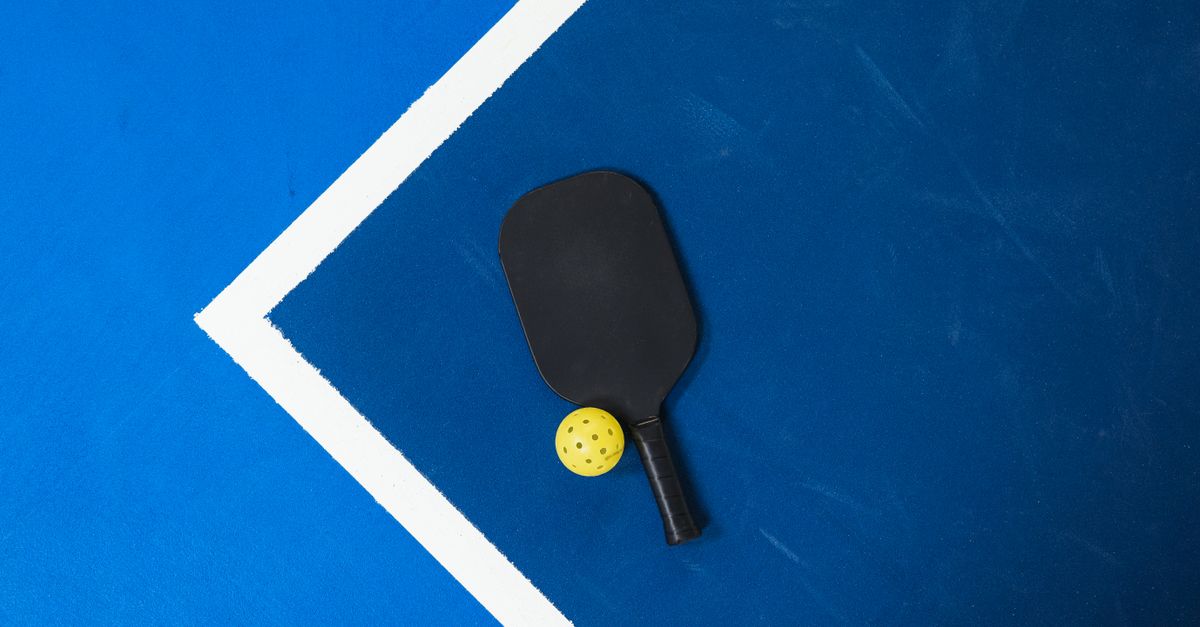
More Than a Game: The Community Court Revolution
This isn’t just happening on dedicated courts. It’s transforming our physical and social landscapes. City parks and rec departments are scrambling to meet demand, often painting pickleball lines over underused tennis courts—a move that sometimes sparks its own “court wars.” Empty big-box stores are being converted into massive indoor pickleball facilities, complete with leagues, bars, and pro shops.
The economic impact is real. Home values near pickleball courts are getting a bump. Local businesses near popular venues see steady traffic. And the pickleball equipment market is booming, with specialized paddles now featuring high-tech carbon fiber faces that can cost hundreds of dollars.
Yet, at its heart, it remains beautifully democratic. You can start with a $30 paddle from a sporting goods store and have just as much fun as someone with the latest gear. This accessibility is key to its community-building power.
The Unlikely Bridge: Connecting Generations
This is my favorite part. Where else do you regularly see this mix? The beauty of pickleball is that a savvy senior with soft hands and pinpoint placement can absolutely school a powerful but impatient young athlete. It creates a rare and precious cross-generational dialogue.
I’ve witnessed teenagers patiently listening to strategy tips from players old enough to be their grandparents. I’ve seen retirees light up with the energy of playing with younger folks. In an age of digital silos and increasing social fragmentation, the pickleball court has become a rare third place—a physical hub where community is actively built, point by point, laugh by laugh.

So, What’s the Catch? The Growing Pains of Popularity
With great growth comes great responsibility—and noise complaints. That signature pop isn’t music to everyone’s ears, especially for those living next to new courts. Cities are grappling with zoning, lighting for evening play, and managing the demand for court time. Some tennis players feel displaced, and the conversation about shared space is ongoing.
Furthermore, as the sport professionalizes with major tournaments and celebrity investors, there’s a tension between its elite competitive future and its grassroots, everyone-is-welcome soul. The challenge for communities will be to grow the infrastructure without losing the inclusive, playful spirit that made it explode in the first place.
Your Serve: Why You Should Grab a Paddle
The rise of pickleball is a lesson in how simple joy can be a powerful force. It’s not just building stronger backhands; it’s building stronger neighborhoods. It’s providing low-stakes exercise, combating loneliness, and creating a shared language across divides.
So, what are you waiting for? The barrier to entry has never been lower. Find your local court (they’re everywhere now). Watch a game for ten minutes. You’ll see the laughter, the gentle trash talk, the instant camaraderie. Then, ask to join. Someone will almost certainly have a spare paddle and be eager to teach you the rules.
You might just find more than a game. You might find your new favorite community, waiting for you on a 20-by-44-foot court.


