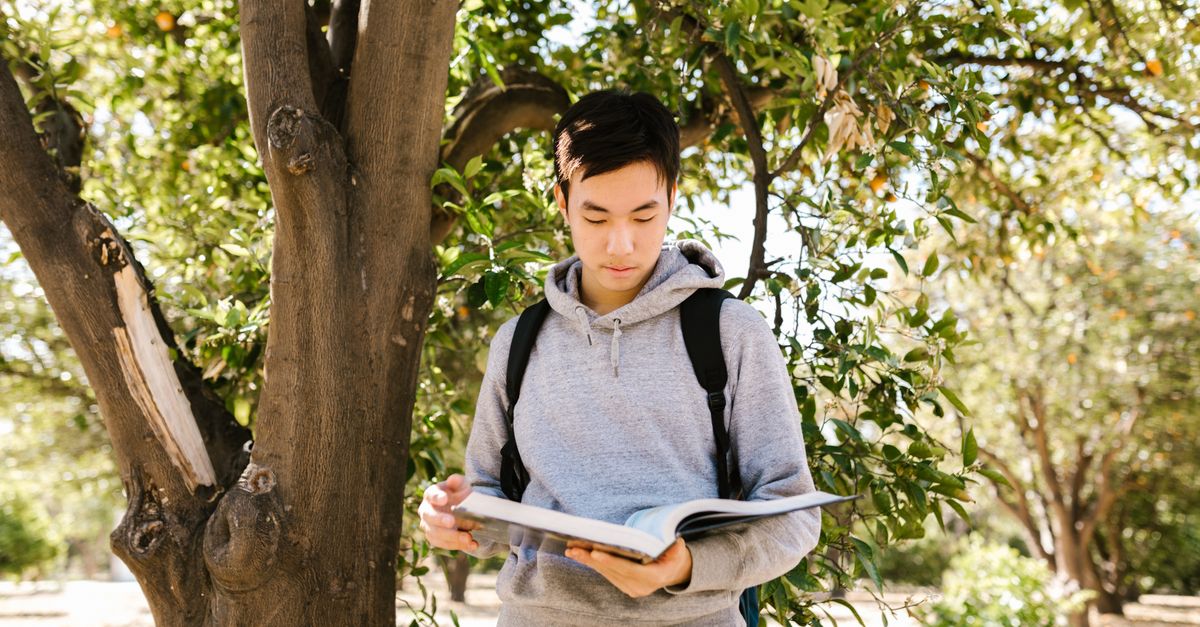
Let’s just say it: The traditional classroom is a 19th-century invention that has somehow survived into the 21st century on pure inertia.
We cram thirty kids into a room, assign them all the same book, and expect them to learn at the same pace. It’s absurd when you think about it. It’s like scheduling a marathon where everyone has to cross the finish line at the exact same second, regardless of whether they’re sprinting or crawling.
That’s why I’ve been obsessively watching the rise of micro-schools. And honestly, it’s not just a trend—it’s a quiet rebellion against the assembly line.
The Schoolhouse Shake-Up
I remember sitting in a parent-teacher conference a few years ago. My friend’s kid, a bright spark, was being described as "a bit of a distraction" because he finished his math worksheets too quickly and started reading ahead. The teacher’s solution? Give him more worksheets.
That moment broke something in me. We aren't raising widgets; we're raising humans. Micro-schools get this.
These aren't just smaller schools; they are fundamentally different ecosystems. We’re talking about learning pods of 15 to 20 students, often mixed-age, operating out of repurposed storefronts, living rooms, or community centers. The curriculum isn't dictated by a state board; it's often co-created by the students and the educator.
I’ve found that the core philosophy is simple: Treat the learner as the curriculum, not the subject.

The "One-Size-Fits-All" Myth
Here’s the dirty little secret of the education system: it’s designed for the average student. But no one is average. The average is a statistical fiction.
In a micro-school, you might have a 7-year-old doing 4th-grade reading but 2nd-grade math. In a traditional school, that kid is a problem to be solved. In a micro-school, that’s just Tuesday. The educator pivots, using the reading passion to teach the math concepts.
Let’s be honest, the biggest sell for me isn't the technology or the cool furniture. It's the killing of the bell curve. It’s the death of the "red pen" culture that tells a kid they’re wrong for thinking differently.
They are using personalized education to let kids go down rabbit holes. If a kid is obsessed with dinosaurs, that’s not a distraction; it’s a gateway to learning biology, paleontology, and even geology. The teacher leans in, not against.
Why Parents Are Finally Saying "Enough"
The pandemic was a wrecking ball, sure. But it also gave parents a backstage pass to the chaos of the standard curriculum. We saw the busywork. We saw the hours spent on homework that didn't reinforce learning but just reinforced obedience.
Now, parents are looking for alternatives. They are the driving force behind this shift.
Here’s what most people miss: This isn't just for wealthy tech bros. While some micro-schools (like the famous Acton Academy model) can be pricey, the movement is spawning affordable hybrid models.
- Homeschool Co-ops: Parents pooling resources to hire a specialist for science, while they handle history.
- District-Innovation Pods: Public school districts waking up and creating micro-school options within the public system to fight enrollment drops.
- Tutoring Centers Evolved: Kumon-style centers are pivoting to full-time, project-based learning environments.
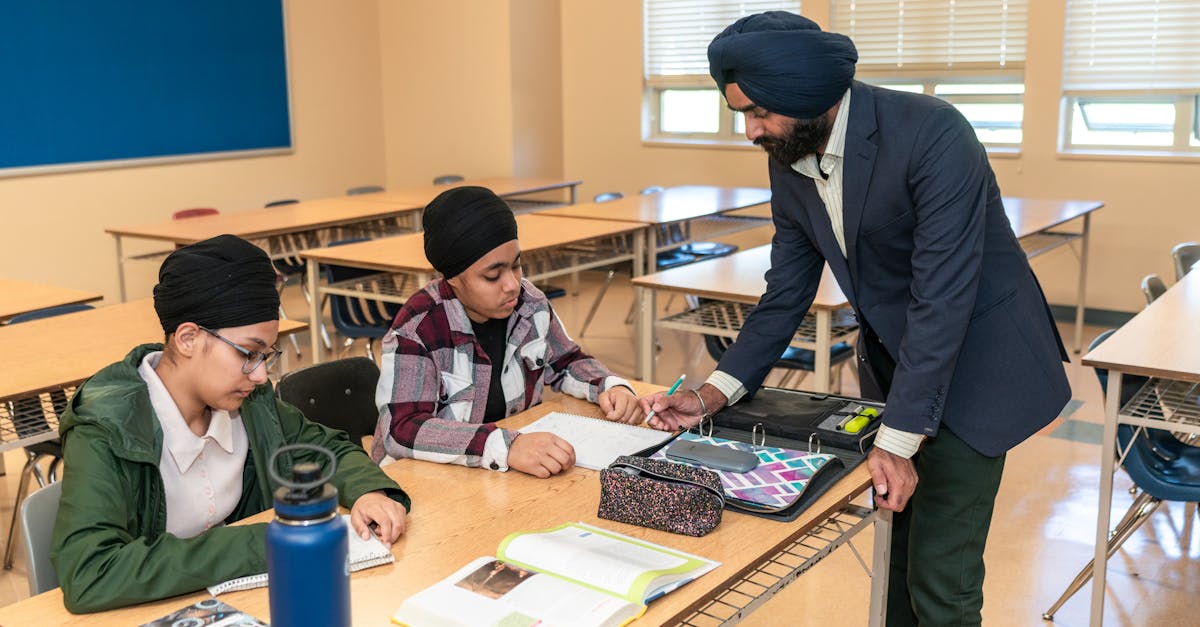
The Hidden Cost of "Custom" Learning
But hold on, let's pump the brakes before we burn the schoolhouse down. This isn't a utopia. I’ve seen the dark side of the micro-school boom.
The "Unschooling" Trap: Some micro-schools are so laissez-faire that they border on neglect. They mistake chaos for freedom. There's a difference between allowing a student to guide their learning and letting them play Minecraft all day because "they're exploring technology."
The Lack of Diversity: If we aren't careful, micro-schools become these homogeneous bubbles. You lose the grit that comes from interacting with kids who aren't like you. The loud kid who annoys you teaches the quiet kid how to advocate for themselves. If we curate our pods too tightly, we lose that social friction that builds resilience.
I recently visited one where the kids were amazing at coding, but they couldn't look me in the eye during a conversation. Socialization is still a muscle that needs flexing.
The Tech Temptation
There’s a huge push towards "AI-driven" learning platforms inside these schools. The software adapts to the student's level.
I love it. But I also hate it.
I've found that the magic of micro-schools isn't the adaptive software—it's the human connection. It’s the mentor who notices a kid is sad and uses that moment to teach empathy.
If a micro-school is just kids staring at screens in a smaller room, that’s just a scaled-down version of the same problem. The secret sauce is the Socratic dialogue, the hands-on projects, and the ability to say, "Forget the lesson plan, let's talk about the thunderstorm outside."
The Verdict: Are We Ready to Ditch the Bus Schedule?
So, is personalized education the future?
Look at the data. Enrollment in traditional public schools has been declining for years. Meanwhile, the number of micro-schools has exploded. We are in a period of massive educational recalibration.
The future isn't going to be a binary choice between "Public School" and "Micro-School." It's going to be a hybrid ecosystem.
The future is a menu, not a set meal.
- Some kids will thrive in the structure of a big school.
- Some will need the intimacy of a pod.
- Some will bounce between the two.
We need to demand that our public schools adopt the philosophy of micro-schools, even if they can't adopt the structure.
We need to stop asking "What grade are you in?" and start asking "What are you curious about?" That shift in mindset is the real revolution.
The micro-school movement isn't just a place; it's a protest. It’s a declaration that we believe kids are capable of more than test scores. So, what are you going to do about it?
Are you going to wait for the system to change, or are you going to start rethinking what learning looks like at your kitchen table tonight? Because honestly, the future of education doesn't start in Washington D.C. or at the State Board of Education.
It starts in your living room.