
The average micro-drama viewer watches 27 episodes in a single sitting. That's not a binge — that's a blackout.
I stumbled on that stat while researching why my 19-year-old cousin stopped watching Netflix mid-movie to scroll through something called ReelShort on her phone. Twenty minutes later, she'd burned through an entire season of a show where every episode was shorter than a TikTok. And she wasn't alone.
The 60-Second Story That's Eating Hollywood's Lunch
Here's the number that should make every streaming executive nervous: micro-drama apps pulled in over $300 million in global revenue in 2024 — and projections for 2025 suggest that figure could double. Apps like ReelShort, DramaBox, and GoodShort are racking up hundreds of millions of downloads, mostly from users who've never paid for a streaming subscription in their lives.
The format is deceptively simple. Each episode runs 60 to 90 seconds. A full season — usually 60 to 100 episodes — tells one complete story. Think werewolf romances, revenge plots, secret billionaire CEOs, and Cinderella arcs compressed into something you can finish during a lunch break.
I've found that most entertainment journalists dismiss this as a fad. They're wrong. This is a fundamental shift in how stories get told, distributed, and monetized.
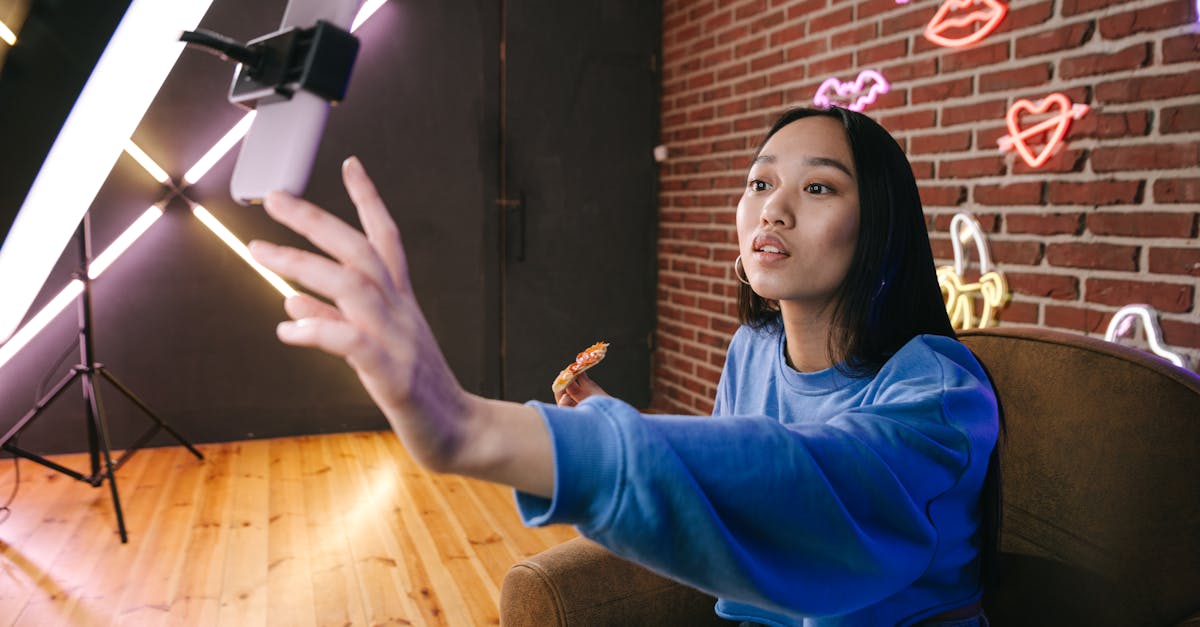
Why Your Brain Actually Prefers 60-Second Stories
Let's be honest — attention spans aren't "shrinking." They're being trained. And micro-dramas are the perfect training tool.
Traditional TV asks for a 45-minute commitment before it rewards you. Micro-dramas front-load the payoff. The hook lands in the first 5 seconds. The cliffhanger hits at second 55. Your dopamine system never gets a chance to wander off.
I've noticed something interesting in my own viewing habits. When I sit down for a prestige drama, I check my phone at least twice per episode. When I open a micro-drama app, I don't check anything — because there's nothing to check during. The format leaves zero dead air.
Here's what most people miss: micro-dramas aren't competing with Netflix. They're competing with nothing — the empty moments in your day. The queue at the pharmacy. The 8-minute wait for pasta to boil. The five minutes before a meeting starts. Traditional streaming can't fill those gaps. Micro-dramas were built for them.
The Hidden Economics Nobody Talks About
The business model is where things get genuinely wild.
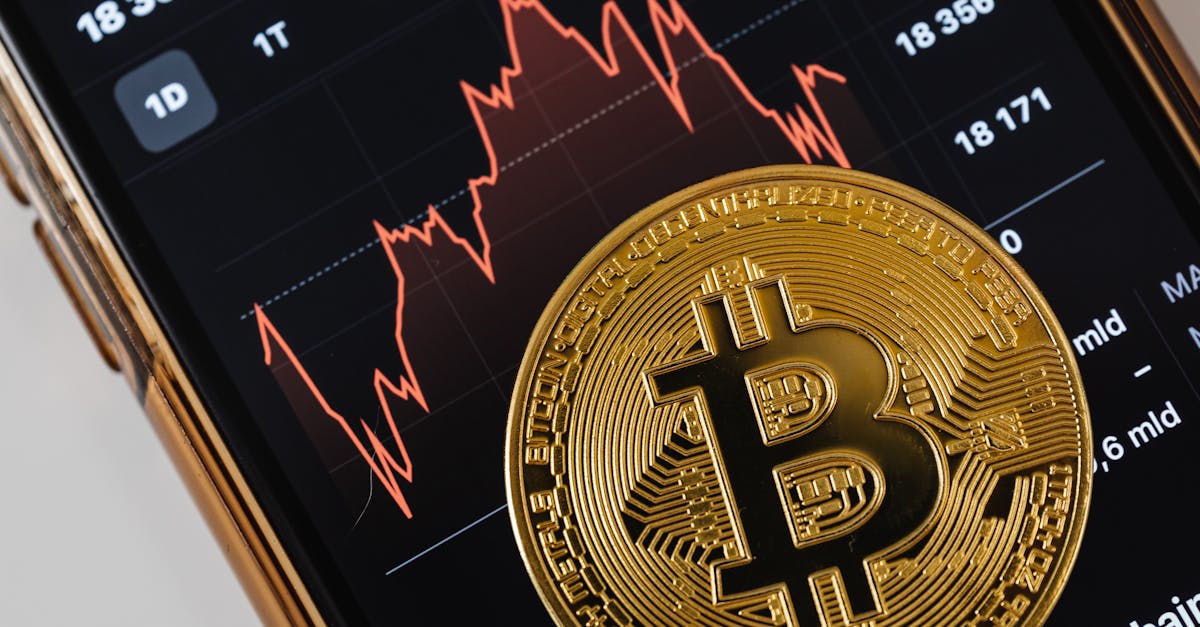
Most micro-drama apps use a freemium + coin system. You watch the first 10 episodes free. Then each additional episode costs coins. A full season can cost $20 to $50 if you pay episode by episode.
Do the math. That's more expensive than a month of Netflix for a story you'll finish in 90 minutes.
The three revenue engines driving this boom:
- In-app purchases — users buying coins to unlock episodes, often impulsively at 2 AM
- Ad-supported tiers — where you watch a 30-second ad to unlock the next episode
- Licensing and localization — Chinese production studios selling adapted formats to Western markets
China Already Proved This Works — The West Is Just Catching Up
Micro-dramas didn't appear from nowhere. They've been dominating China's mobile entertainment market since 2022, where the industry generated over $5 billion in a single year. Chinese platforms cracked the code on vertical video storytelling while Hollywood was still arguing about theatrical windows.
Now that formula is going global, and it's mutating fast. Western producers are adapting the model with local tropes — think Yellowstone-style family feuds, small-town revenge arcs, and yes, an alarming number of vampire CEOs.
I've found that the most successful Western micro-dramas borrow from soap operas, not prestige TV. They're unapologetically melodramatic. They don't chase Emmy nominations. They chase completion rates. And they win.
What This Means for Actors, Writers, and the Industry
This is where it gets uncomfortable for traditional Hollywood.
Micro-dramas are creating an entirely parallel talent economy. Actors who can't land a network pilot are building massive followings on ReelShort. Writers who've never gotten a meeting at a streamer are cranking out 80-episode seasons in a month. The gatekeepers have been bypassed entirely.
Is this good for storytelling? Depends who you ask.
Critics say it's McDonald's for the brain — engineered for compulsion, not craft. They're not entirely wrong. But I'd argue the same thing was said about pulp novels, soap operas, and reality TV. Every new format gets sneered at until it becomes the establishment.
The truth is messier: micro-dramas are producing some genuinely addictive narratives wrapped in disposable packaging. And audiences clearly don't care about the packaging.
The Question Nobody's Asking Yet
Here's what keeps me up at night about this trend.
If 60-second storytelling keeps winning, what happens to the 60-minute episode? To the slow burn? To the three-season character arc that pays off in year four?
Streaming platforms are already experimenting with micro-content. Netflix has tested short-form vertical clips. YouTube is pushing Shorts into full-length series. The lines are blurring, and the audience is voting with their thumbs.
Maybe the future isn't either/or. Maybe it's a spectrum — micro-dramas for the gaps, prestige TV for the couch, and everything in between fighting for whatever attention is left.
But here's my prediction: by the end of 2025, at least one major streaming service will launch a dedicated micro-drama vertical. Probably with a name like "Quickies" or "Bites." Probably with an algorithm that knows you better than you know yourself.
And you'll probably roll your eyes at it — right before you watch 27 episodes in a row.
What's the last micro-drama you couldn't stop watching? Or are you still holding out? Drop your take in the comments — I read every single one.





