
Picture this: you're at a packed stadium, the home team's star striker is bearing down on goal, and fifty thousand people simultaneously hold their breath. The shot flies, the crowd erupts — and somewhere in that split second, a camera system decided whether the ball crossed the line. No one in the stands is thinking about where that decision got made. That's the whole point. Edge computing just did its job, invisibly, at the exact moment it mattered.
I've been watching this space for a while now, and here's what bugs me: everyone talks about AI like it's the only story in tech. Meanwhile, edge computing has been quietly rewiring the entire plumbing of the internet — and most people couldn't tell you what it actually is.
The Cloud Isn't Dead, It Just Moved Closer
Let's clear something up. Edge computing doesn't kill the cloud. It's more like the cloud went on a road trip and set up satellite offices everywhere.
The old model was simple: your device sends data to a distant data center, the data center thinks, the answer comes back. Fine for a Google search. Terrible for a self-driving car that needs to brake now.
Edge computing flips the script by processing data where it's created — in your phone, your car, a factory sensor, a hospital monitor, even a streetlight. The round trip to a data center? Gone. The latency? Measured in milliseconds instead of heartbeats.
I've found that the easiest way to explain it to non-tech friends is this: imagine a restaurant where every order has to be phoned into a central kitchen three states away. The food's great, but it arrives cold. Edge computing is the food truck parked outside.
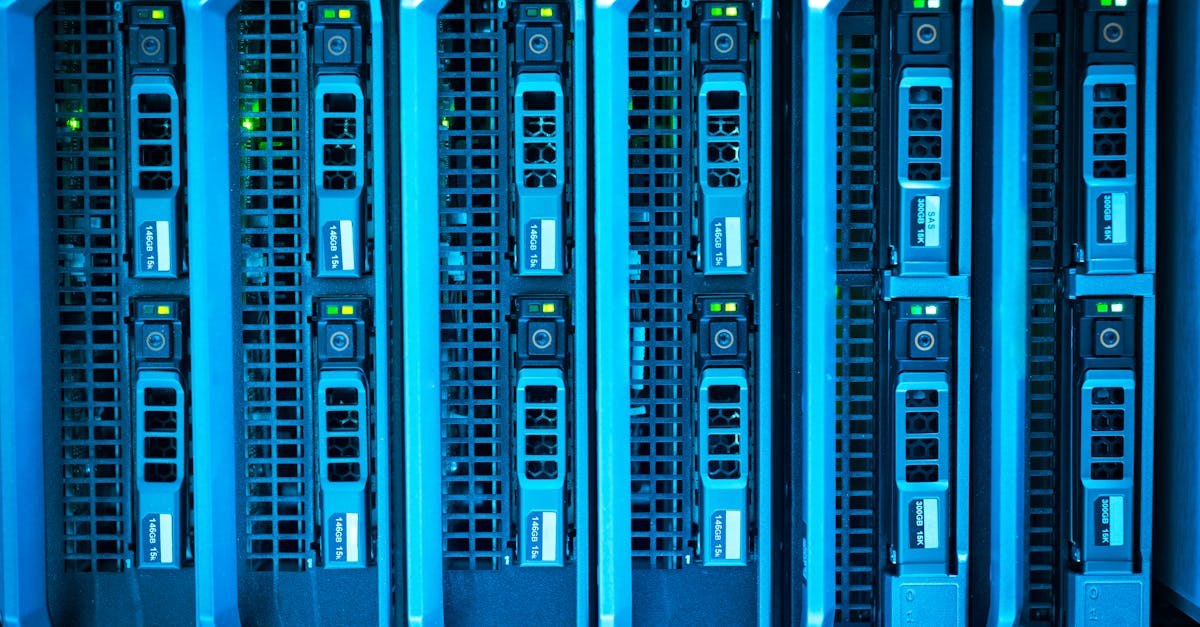
Why Your Netflix Stream Is a Sneaky Edge Computing Ad
You've been using edge computing for years without knowing it. Ever wonder how Netflix starts playing instantly instead of buffering for twenty seconds? That's because the content lives on servers physically close to you — content delivery networks are edge computing's OG success story.
Same with online gaming. If you've ever rage-quit a shooter because of lag, you've felt the absence of edge infrastructure. Game servers near your city mean your headshots actually register.
Here's what most people miss: the average connected car generates roughly 25 gigabytes of data per hour. A single autonomous vehicle can produce up to 4 terabytes a day. You cannot ship that to the cloud in real time. You just can't. The physics won't allow it. So the processing has to happen in the car, on the edge, where the decisions are needed.
The Numbers Are Getting Absurd (In a Good Way)
Let me hit you with some figures, because this is where the story gets real.
- The global edge computing market was valued around $60 billion in 2024 and analysts project it crossing $300 billion by the early 2030s.
- Over 75% of enterprise-generated data is expected to be processed outside traditional data centers within a few years.
- By 2028, a huge chunk of the world's data will be created and handled at the edge — some forecasts put it at 70% or more.
Think about smart factories. A robotic arm on an assembly line can't wait 50 milliseconds for a cloud server to tell it a part is misaligned. At scale, that delay means scrapped product and broken machines. Edge processing catches it in under a millisecond. In industrial settings, latency isn't an inconvenience — it's a safety issue.

The 5G Marriage Nobody Saw Coming (But Should Have)
Here's where it gets genuinely interesting. 5G and edge computing are the tech world's power couple, and they make each other better.
5G's whole pitch is ultra-low latency and massive device density. But that promise is hollow without compute sitting close to the antennas. Telecom operators figured this out fast — they're now renting out space on their cell towers and base stations for edge servers. It's a new revenue stream and a new layer of the internet all at once.
I've found that this is the piece most business leaders underestimate. They hear "5G" and think faster downloads. The real story is that edge computing plus 5G unlocks things that were physically impossible five years ago — remote surgery with haptic feedback, drone fleets coordinating in real time, augmented reality that doesn't make you nauseous.
Let's be honest: remote surgery sounds like sci-fi until you realize a surgeon in one city has already operated on a patient in another over a low-latency connection. The edge is what makes the scalpel respond.
The Uncomfortable Part Everyone Skips
I'd be doing you a disservice if I pretended this was all sunshine. Edge computing has real problems, and they don't get enough airtime.
Security is a mess. Every edge device is a potential door into your network, and there are millions of them, often in physically insecure locations. A server in a factory closet doesn't get the same love as a hardened data center.
Management is a headache. Deploying, updating, and monitoring thousands of distributed nodes takes serious tooling. Most companies aren't staffed for it.
And then there's the digital divide question. If the intelligence moves to the edge, does that deepen the gap between well-connected cities and everywhere else? I don't have a clean answer. Nobody does yet.
Here's what most people miss, though: these problems are the reason the market is exploding. Every unsolved headache is a startup waiting to happen. Edge security, edge orchestration, edge observability — those are the boring-sounding categories where the next wave of infrastructure giants is being built right now.

So What Do You Actually Do With This?
If you're a developer, start thinking about where your code runs, not just what it does. If you run a business, audit which processes genuinely need real-time response — that's your edge use case, and it's probably smaller and more specific than the vendors will tell you. If you're just a curious human, pay attention to the quiet stuff. The tech that changes the world rarely announces itself with a keynote and a smoke machine. It shows up as a goal-line call that's somehow always right, a game that never lags, a factory that never stops.
The edge is already here. It's just doing its best work where you can't see it.
Next time something digital feels instant, ask yourself why. The answer is probably sitting in a box a few miles from your house — and that box is the future.