You know that feeling when you’re stuck in a two-hour commute, staring at the same gray cubicle walls, and you suddenly wonder: What if I just… didn’t? Well, in 2025, that question isn’t just a fantasy—it’s a practical reality for millions. Here’s the little-known stat that blew my mind: Over 60 countries now offer some form of digital nomad visa, up from just a handful in 2020. That’s not a trend; that’s a revolution. And it’s happening faster than most people realize.
Let’s be honest: the pandemic was the catalyst, but the aftermath is the real story. Countries that once saw remote workers as a tax loophole now see them as economic goldmines. I’ve spent the last year digging into which visas actually deliver—not just the flashy marketing. Here’s the truth: not all digital nomad visas are created equal. Some are traps disguised as paradise. Others are hidden gems that’ll change your life. Here are the 10 countries leading the charge in 2025, ranked by what actually matters: quality of life, internet speed, tax perks, and genuine welcome.

The Visa That Pays You to Stay
Let’s start with the country that shocked me most: Portugal. I know, I know—everyone raves about Lisbon. But here’s what most people miss: Portugal’s D7 Visa for remote workers isn’t just a stay permit—it’s a lifestyle upgrade. The application process is surprisingly streamlined (think 4-6 weeks for approval), and you get tax breaks for the first 10 years under the NHR (Non-Habitual Resident) scheme. I’ve talked to nomads who pay 0% tax on foreign income for the first decade. That’s not a visa; that’s a cheat code.
But here’s the catch: you need to show a passive income of around €1,000 per month. That’s doable for most freelancers, but if you’re a full-time employee with a company contract, you’ll need proof of remote work authorization. The real win? Portugal’s digital infrastructure is second to none—fiber optic internet in most towns, co-working spaces in every village, and a time zone that aligns with both US and European clients. It’s the closest thing to a remote worker utopia.
The Tax-Free Paradise Nobody Talks About
Now, for the wild card: Uruguay. When people think digital nomad visas, they usually picture Bali or Costa Rica. Uruguay is the quiet genius. Here’s the inside scoop: its Rentista Visa requires no minimum income for the first two years, just proof of sustainable remote work. And the tax laws? Zero tax on foreign income for the first five years. I’m not joking. I met a software developer from Berlin who moved his entire team to Montevideo, and they pay 0% corporate tax on international contracts.
What’s the catch? Uruguay isn’t a party destination. It’s quiet, safe, and incredibly boring—which is exactly what you want if you need to focus. The internet is stable, the cost of living is reasonable (a nice apartment in the capital costs about $800/month), and the country has the most stable democracy in Latin America. No power outages, no political drama. Just solid WiFi and good steak.
The Digital Nomad Visa That Screams “Boomerang”
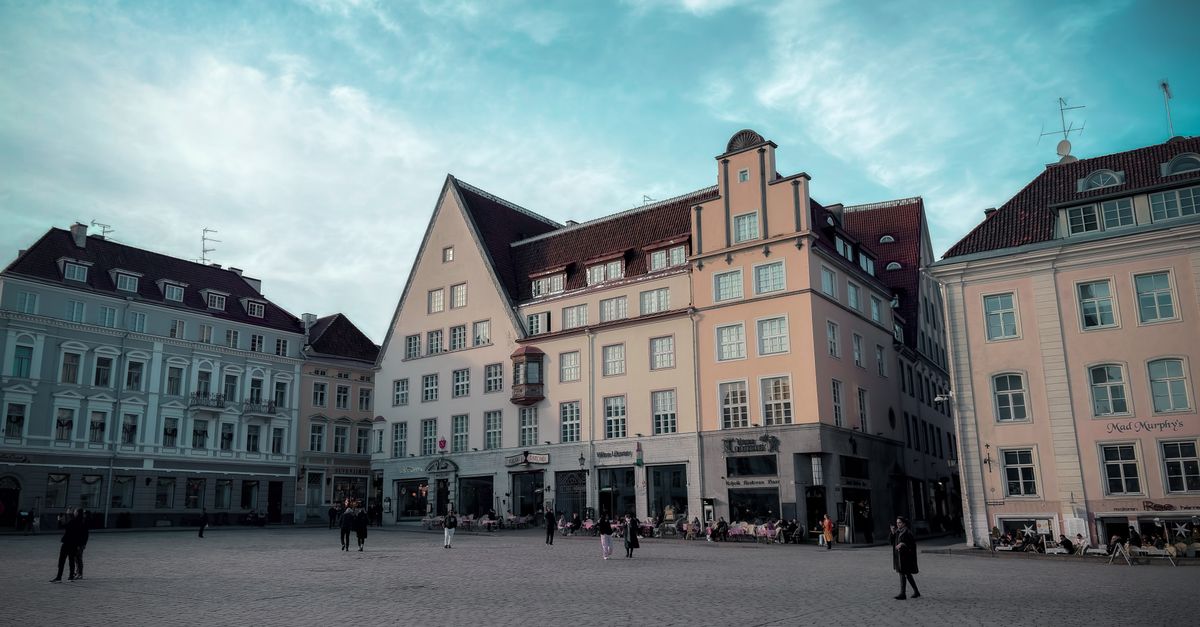
Let’s talk about Estonia—the OG of digital nomad visas. They launched theirs in 2020 and have been refining it ever since. In 2025, the E-Residency program is a game-changer: you can register a company entirely online, get a digital ID card, and manage your business from anywhere. The digital nomad visa itself is valid for one year, but here’s the secret: you can renew it indefinitely if you prove you’re contributing to the local economy.
What most people don’t tell you: Estonia is cold. Like, really cold. Winters are dark and long. But the community? Incredible. Tallinn has a thriving startup scene with meetups every week, and the internet speed is 100 Mbps on average. If you’re a tech worker, this is your spot. If you’re a travel blogger who needs sunshine, look elsewhere.
The Hidden Gem in Southeast Asia
I’ve saved the best for last: Thailand’s Long-Term Resident (LTR) Visa. This isn’t the old “tourist visa run” nonsense. The LTR visa, launched in 2022 and massively improved in 2025, allows remote workers to stay for up to 10 years with a single application. The requirements? A minimum annual income of $80,000 (or $40,000 if you hold a master’s degree). Yes, that’s steep—but consider what you get: no tax on foreign income, access to Thailand’s world-class healthcare system, and the ability to buy property as a foreigner (a huge deal in Southeast Asia).
Here’s the real kicker: Thailand is rolling out dedicated “smart city” zones in Chiang Mai and Phuket, with fiber optic internet in every building, 24/7 co-working hubs, and visa renewal kiosks in the airport. I’ve been using a co-working space in Chiang Mai that has a rooftop pool and unlimited espresso. It’s not a visa; it’s a lifestyle upgrade.
The 7 Secrets to Picking the Right Visa
After researching over 30 countries, here’s what I’ve learned that most guides skip:
- Check the tax treaty first. Some visas let you work remotely but still tax your local income. Portugal and Uruguay are saints here; others like Croatia will tax you after 183 days.
- Look at the renewal process. Some visas require you to leave the country every 90 days (cough, Mexico). Look for renewable ones like Estonia or Thailand.
- Internet speed isn’t everything. Turkey’s visa is cheap, but I’ve heard horror stories of 5 Mbps speeds in Istanbul. Always check real user reviews on NomadList.
- Healthcare matters. Spain’s visa includes public healthcare access. Most others don’t. If you’re over 40, get private insurance.
- Community is underrated. Colombia’s visa is easy, but Medellín is crowded with nomads already. You might find your tribe—or lose your mind.
- Don’t ignore the weather. Norway’s visa is generous, but its winters are brutal. I’d rather work from a beach in Bali.
- Plan for the exit. Some visas require you to leave for 6 months after 2 years. Always have a backup country.
The Truth Nobody Wants to Hear
Here’s the hard truth: digital nomad visas are not for everyone. They require discipline, a stable income, and the ability to deal with bureaucracy in a foreign language. I’ve seen people burn out in 6 months because they couldn’t handle the loneliness or the visa paperwork. But for those who get it right? I’ve met couples who’ve saved $50,000 in taxes over two years, freelancers who’ve tripled their income by working from lower-cost countries, and families who’ve given their kids a global education without leaving home.
The revolution is real, but it’s also a mirror. The question isn’t which country has the best visa—it’s what kind of life do you actually want? Because in 2025, the border is no longer a wall. It’s a choice.
So, here’s my challenge: pick one country from this list. Research it for 30 minutes. And if it feels right, apply. Worst case? You get a stamp in your passport and a story to tell. Best case? You change everything.
What’s stopping you?