Did you know that in 2023, the hashtag #deinfluencing racked up over 1.3 billion views on TikTok? And no, it’s not a glitch. It’s a full-blown cultural correction. We’ve spent the better part of a decade being told to swipe up, add to cart, and buy the thing that will finally make us happy. Now, a growing chorus of voices is doing the exact opposite: telling us what not to buy.
Let’s be honest, we’re all a little tired. Tired of the perfectly staged hauls, the suspiciously flawless “Holy Grail” product reviews, and the creeping sense that our feeds are just one giant, algorithmically-ordained shopping mall. Enter deinfluencing: the anti-trend trend that’s less about rebellion and more about a collective sigh of relief. It’s the pushback against blind consumerism, and it’s proving that on social media today, authenticity isn’t just nice to have—it’s the only currency that still holds value.
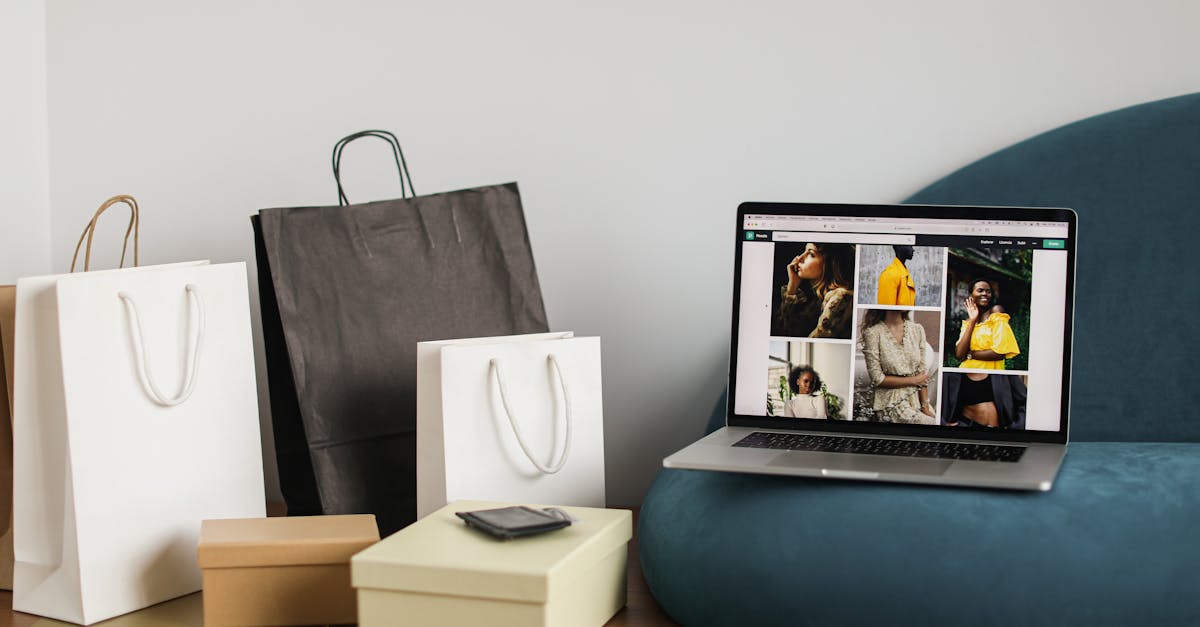
From Hauls to Halt: The Exhaustion of Endless Consumption
Remember the unboxing video? It felt magical once. Now, it often feels… empty. The deinfluencing movement didn’t come out of nowhere. It’s the direct result of influencer fatigue. We’ve seen one too many #gifted posts from people who would never actually use that $300 serum. We’ve bought the trendy kitchen gadget that now collects dust. The trust has been eroded by affiliate-link culture, where every recommendation feels transactional.
I’ve found that audiences have become expert detective. We notice when a creator’s “favorite” brand changes quarterly based on who’s paying. We’re calling out filters that misrepresent a product’s results. This isn’t cynicism; it’s sophistication. We’ve learned the language of the game, and now we’re changing the rules.
The Anatomy of a Deinfluencing Video
So what does this look like in practice? It’s not just saying “don’t buy stuff.” The most effective deinfluencing content is specific, honest, and often surprisingly constructive.
A typical video might break down like this:
- The Hype Call-Out: “You’ve probably seen this viral scalp scrub everywhere.”
- The Reality Check: “Here’s what it actually did to my sensitive skin.” (Cue unglamorous, close-up photo).
- The Alternative: “Instead, here’s a simpler, cheaper option that worked for me, or here’s when this product might actually be worth it.”
- The Core Principle: It champions mindful consumption over mindless accumulation.

Why Your "Why" Matters More Than Your "Buy"
This shift is forcing everyone—from mega-celebrities to micro-influencers—to recalibrate. The old playbook of “aspirational lifestyle” is losing its potency. Followers aren’t just asking, “What should I get?” They’re asking, “Should I get this at all?”
Here’s what most people miss about this trend: it’s not killing influence. It’s redefining it. Influence is no longer about the power to sell; it’s about the power to guide. The creators thriving in this new environment are those who:
- Embrace imperfection: Showing the real results, the mess, the “this didn’t work for me.”
- Share their process: Explaining why they choose one thing over another, which builds a framework for their audience to make their own smart choices.
- Admit mistakes: “I bought into the hype, too, and here’s what I learned.” This vulnerability is a trust supercharger.
The Ripple Effect: Brands Scrambling for Realness
Unsurprisingly, the deinfluencing wave is causing waves in boardrooms. Marketing departments built on the gospel of “influencer seeding” and paid reviews are having to pivot. The smart brands are listening. They’re seeking long-term partnerships with creators who have a genuine connection to their products, even if that audience is smaller.
They’re funding content that adds value beyond a sales pitch—think “how to properly use our tool” or “an honest review of our product’s limitations.” They understand that in the age of deinfluencing, a single, credible “this is worth it” can drown out a thousand hollow raves. Authentic social media marketing now means empowering honest conversations, even the critical ones.

How to Be a Savvy Consumer in the Age of Deinfluencing
This movement empowers us, the audience. It hands the power back. So, how do you navigate your feeds now?
Follow for the person, not the products. Do you enjoy their perspective, humor, or knowledge? If the shopping links disappeared, would you still watch? Look for consistency over coincidence. Has this creator mentioned this brand or similar values over time, or did it appear out of the blue? Value the “Don’t Buy” as much as the “Must-Have.” A creator willing to steer you away from a bad purchase is a creator invested in your trust. Ask “Do I need this, or do I just want the feeling this ad is selling me?” Deinfluencing is, at its heart, an invitation to pause.
The rise of deinfluencing is more than a passing TikTok trend. It’s the sign of a maturing digital culture. We’re moving from a space of pure acquisition to one of intentional curation, both in what we bring into our homes and who we let into our attention.
It turns out that the most influential thing you can be in a noisy, crowded, commercialized world is genuinely, reliably real. The question is, as you scroll today, what—or who—are you choosing to let influence you?