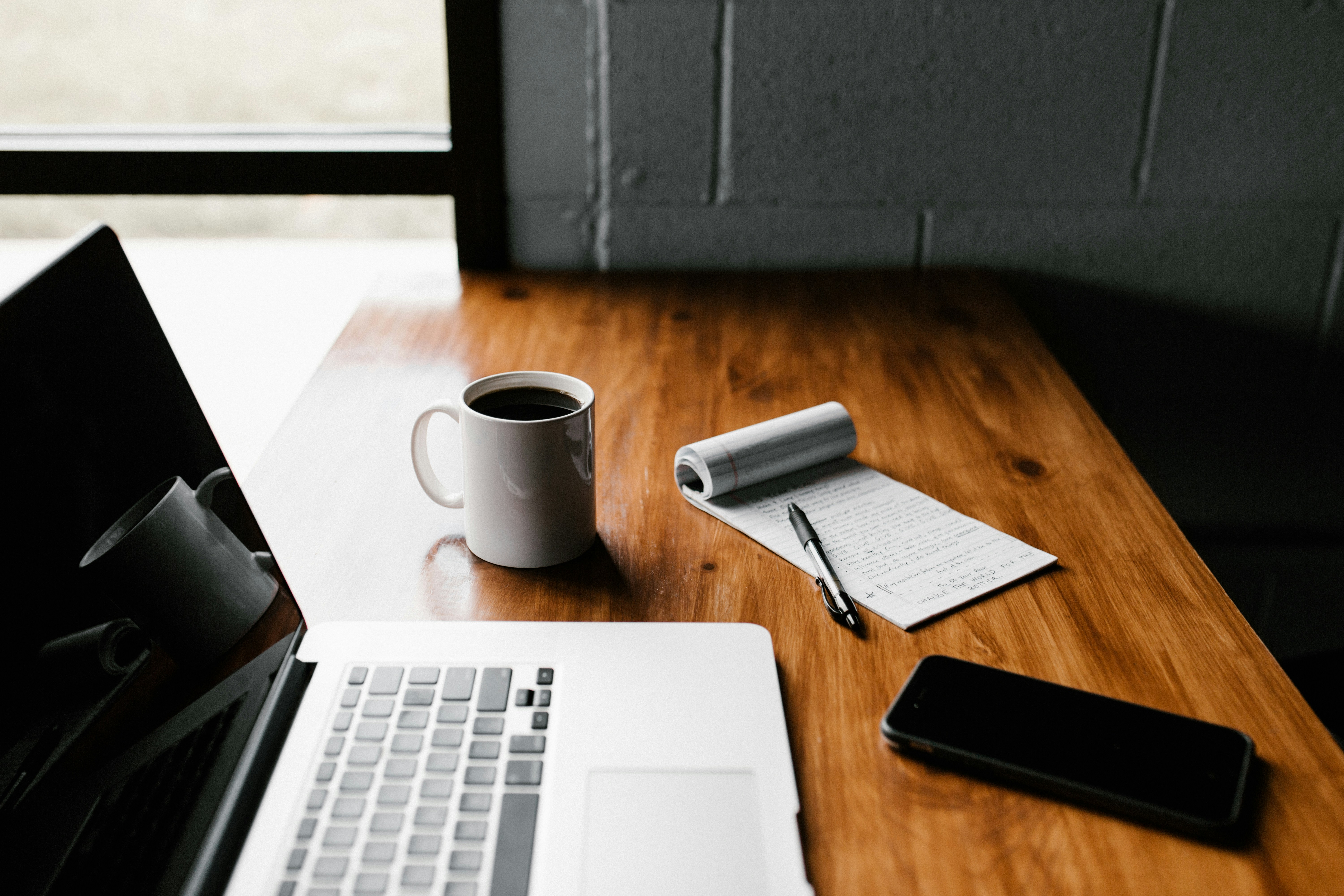
Let me tell you something — the first time I heard a song fully written, produced, and sung by AI, I had to check my phone twice. I was halfway through my morning coffee, doom-scrolling like a professional, when this track came on. Catchy beat. Emotional vocals. A bridge that actually gave me chills. And then I saw the credits: Music by: Jukebox AI, Lyrics by: GPT-4, Vocals by: Synthesizer V.
No human artist. No band. No producer sweating in a studio at 3 AM.
And here's what most people miss: we're not just talking about a novelty act anymore. AI-generated music isn't some weird tech demo you show your friends at parties. It's quietly infiltrating your Spotify playlists, your TikTok feeds, and even the background score of that Netflix show you're obsessed with. The sound of pop culture is changing, and most of us didn't even notice the shift.
Let's get into it.
The Silent Takeover You Didn't Hear Coming
You know how everyone was freaking out about AI art last year? Paintings winning competitions, deepfakes of celebrities? Well, music has been having its own quiet revolution, and it's been happening under our noses for years.
I've found that most people assume AI music means robotic voices or glitchy EDM. That was true in 2019. Today? AI can write a pop hit that sounds like Dua Lipa, produce a lo-fi beat for your study sessions, or compose a classical piece that would make Beethoven weep. It's not mimicking — it's creating.
Here's what's wild: platforms like Soundraw, AIVA, and Amper Music let you generate original tracks in seconds. No music theory degree. No expensive gear. Just type in "upbeat pop with female vocals" and boom — you've got a song.
And that's terrifying and exciting at the same time.
The Ghost in the Machine: Who Actually "Wrote" That Hit?
Let's be honest — the biggest question nobody wants to answer is about authorship. When an AI generates a song, who owns it? The programmer? The user who typed the prompt? The AI itself?
I was talking to a producer friend last week, and he told me something that stopped me cold: "I've had tracks rejected by labels for sounding too 'generic.' Then I fed those same tracks into an AI generator, tweaked two lines, and got signed."
That's the dirty secret of the industry right now. Labels are using AI to test marketability before they even record a song. Run a demo through an AI predictor, see if it scores high on "catchiness metrics," and if it does, greenlight the production. We're not making art anymore — we're optimizing for algorithms.
And here's the kicker: listeners can't tell the difference. Multiple studies have shown that people rate AI-generated music as equally enjoyable, sometimes more enjoyable, than human-made tracks. Why? Because AI is trained on every hit song from the last 50 years. It knows the formula.
But art is supposed to break formulas, right?
Ghostwriters, Beatmakers, and the New Creative Economy
Remember when everyone thought AI would kill artists? Turns out, it's doing the opposite for many of them. Independent musicians are using AI as a creative partner, not a replacement.
Here are a few ways I've seen artists actually win with AI:
- Beat generation on demand — Producers use AI to generate 50 beat variations, then pick the best one to build on. Saves hours.
- Lyric inspiration — Stuck on a chorus? Feed your existing lines into an AI, and it'll suggest rhyming schemes and themes.
- Vocal tuning and cloning — AI can fix a flat note, or even recreate a singer's voice for backing vocals. No need to call in a session singer.
- Mixing and mastering — Services like LANDR let you upload a raw track and get a professionally mastered version in minutes. For free.
The Dark Side Nobody Talks About
Okay, let's get real for a second. I'm not here to be a tech cheerleader. There are some genuinely scary things happening with AI music, and we need to talk about them.
First: deepfake vocals. You can now generate a song that sounds like Taylor Swift singing about your ex. The technology is good enough that your mom wouldn't know the difference. Artists are already fighting this in court, but the cat is out of the bag. Imagine the copyright nightmare when someone releases an "unreleased" Drake track that was actually written by an AI.
Second: the death of the "bad" song. I know that sounds weird, but hear me out. Some of the best music in history came from mistakes, happy accidents, and raw imperfection. Kurt Cobain's voice cracking. The accidental feedback on a Hendrix track. AI doesn't make mistakes — it optimizes. We're heading toward a world where every song is technically perfect, and that might be the most boring thing imaginable.
Third: the job market. Session musicians, backup singers, even producers are watching their roles shrink. Why pay a human $500 for a session when an AI can generate the same part for $20/month? The economics are brutal.
What This Means for Pop Culture in 2025 and Beyond
Here's what I actually believe: AI won't replace human musicians, but it will replace musicians who refuse to use AI. Just like autotune didn't kill singing (it just made everyone sound like T-Pain for a few years), AI won't kill creativity. It'll reshape what creativity looks like.
I'm already seeing new genres emerge. "Neural pop" — music designed to be fed into AI recommendation algorithms. "Generative soundtracks" — video game scores that adapt to your gameplay in real time. "Collaborative AI jams" — where an artist and an AI trade riffs in a live performance.
The pop stars of 2030 might not be human at all. Or they might be humans who learned to collaborate with machines in ways we can't even imagine yet.
And honestly? I'm here for it. But I'm also watching carefully.
So, Where Do We Draw the Line?
I don't have a perfect answer. Nobody does. But here's what I keep coming back to: music is about connection. A song makes you cry because someone else felt that exact pain and put it into notes. AI can simulate that, but it can't feel it.
The question isn't whether AI music is "real" or "fake." It's whether we're okay with outsourcing the soul of pop culture to a machine that doesn't know what heartbreak feels like.
I'm not saying stop using AI. I'm saying use it like a paintbrush, not a paint-by-numbers kit. You're still the artist. You still decide what matters.
So go ahead — generate that beat, tweak that vocal, let the algorithm surprise you. But when the song is done, ask yourself one question: Does this sound like me, or does it sound like everyone else?
Because in a world where anyone can make a perfect pop song, the only thing that will make you stand out is the messy, imperfect, beautifully human part that no machine can replicate.
And that's a truth worth singing about.