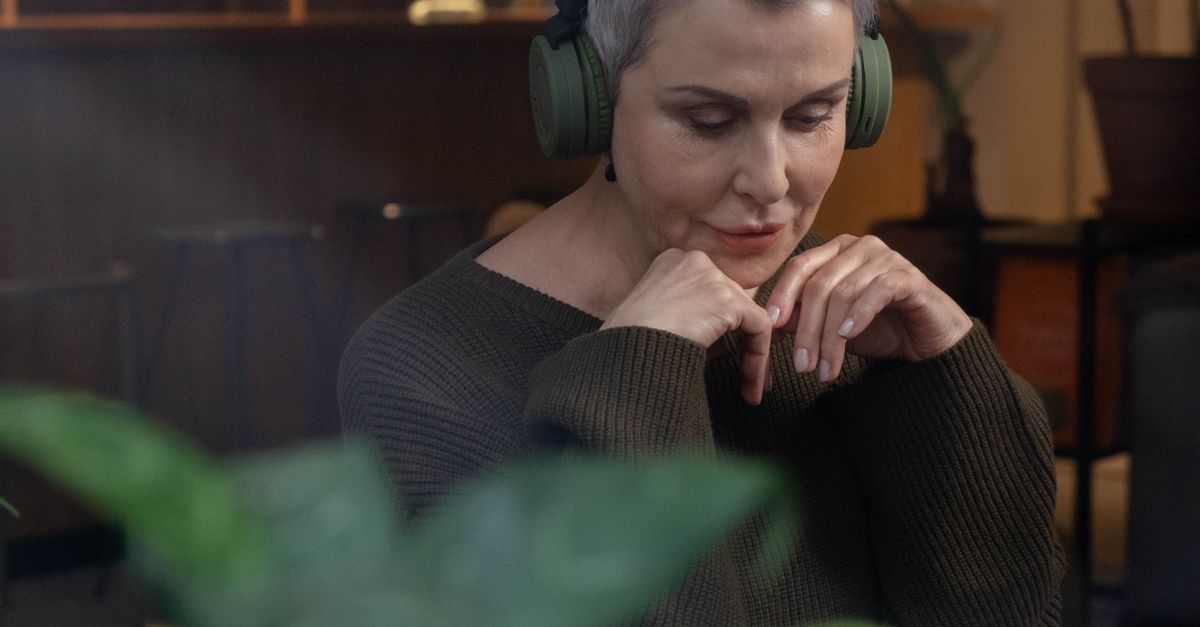
My daughter asked me last month why her favorite YouTuber's new single sounded "weird." She played it for me — a dreamy synth-pop track with a vocal that felt slightly off, like it was sung by someone who'd never needed to breathe. I pulled up the credits. The artist had listed an AI tool right there in the description, next to the producer and the mixer. She shrugged and kept scrolling. I sat there for a minute, because that tiny credit line felt like a seismic shift in how music gets made.
The Ghostwriter in the Room Nobody Wants to Name
Let's be honest: the music industry has always used technology to fake things. Auto-Tune, drum machines, sampling, session musicians who never get credited. Nobody blinked when producers started stacking vocal takes in Pro Tools until the singer sounded superhuman.
So why does AI feel different?
Here's what most people miss: it's not the tool that's shocking — it's the speed and the scale. Tools like Suno and Udio let anyone type "moody lo-fi hip-hop with a saxophone solo" and get a finished, mixed track in under a minute. No studio. No band. No budget. I've found that when the barrier to entry collapses that fast, entire industries get nervous, and they should.
The uncomfortable truth is that AI music generation is built on the backs of human catalogs. These models learned from millions of songs — many of them by artists who never consented. That's the fight currently playing out in courtrooms and on streaming platforms, and it's going to define the next decade of music law.

What Actually Sounds Good (and What Absolutely Doesn't)
I've spent way too many evenings testing these tools, and I'll give you the honest breakdown:
- What AI nails: background music, jingles, ambient loops, workout playlists, and anything where vibe matters more than a memorable hook. It's genuinely great at mood.
- What it fumbles: emotional storytelling, unusual vocal textures, and anything requiring a real artistic point of view. Ask an AI to write a breakup song with a specific, lived-in detail and it'll hand you generic heartbreak wallpaper.
- The tell: those breathless, slightly uncanny vocals. Once you hear it, you can't unhear it.
The Streaming Flood Is Coming for Your Ears
But here's my contrarian take: I don't think listeners will abandon human music. I think they'll crave it more. The same way vinyl came back after MP3s, and live concerts became premium experiences, "made by a real human with a real story" could become the ultimate luxury label. Expect to see "100% human-made" badges on albums the way you see "organic" on produce. It's coming.

The Artists Who Are Winning Instead of Whining
Not everyone's fighting it. Some artists are quietly using AI as a creative collaborator:
- Grimes launched an AI voice tool letting fans make songs with her cloned vocals — and split royalties.
- Producers use AI stem separation to remix and sample in ways that used to take hours of manual editing.
- Independent musicians generate artwork, master tracks, and even draft lyrics, cutting production costs dramatically.
Where This Leaves the Rest of Us
So what should you actually do with all this?
If you're a creator, learn the tools — even just a little. Not to replace your craft, but to understand the landscape you're competing in. If you're a listener, pay attention to who you're supporting and why. And if you're an artist watching this unfold with a knot in your stomach, I get it. The uncertainty is real.
But let me leave you with this: every major music technology — radio, records, synthesizers, streaming — triggered the same panic. The sky never fell. What happened instead was that the definition of "musician" expanded. AI music tools will do the same thing, and the artists who survive will be the ones who refuse to be interchangeable.
The machines can imitate a voice. They can't live a life worth singing about. That's still your job.
Next time a song gives you goosebumps, check the credits. You might be surprised who — or what — made it. And then ask yourself: does it still move you? Because that answer matters more than any algorithm.