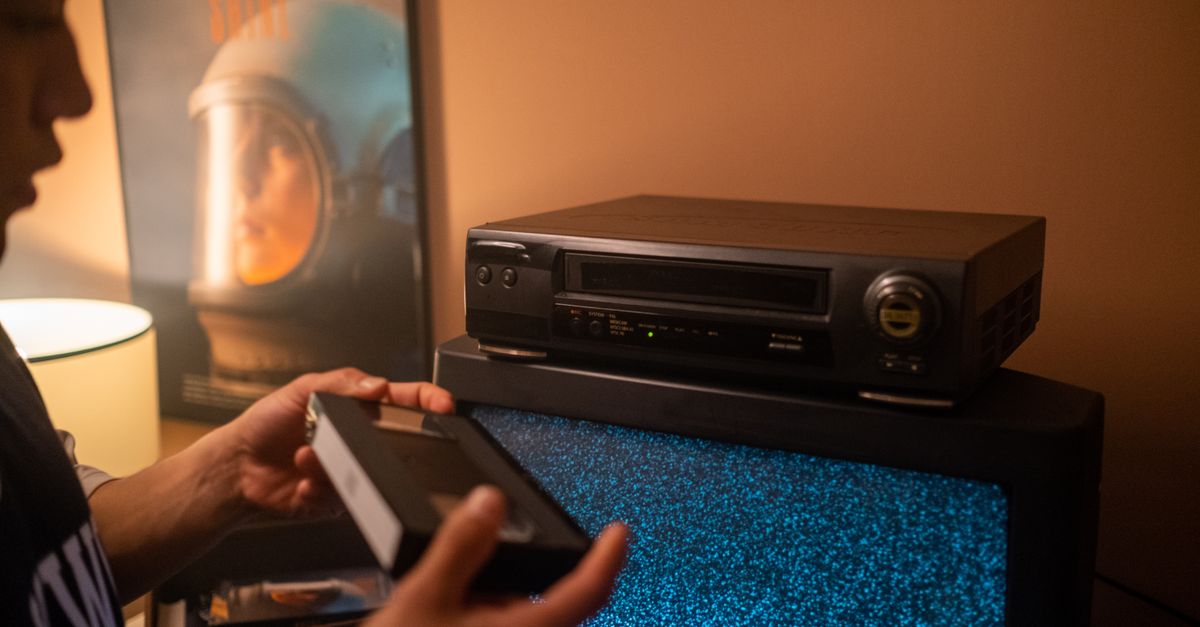
I was nine years old, huddled behind the family couch, peeking through one eye as a VHS tape ate my soul. The movie was The Ring. The scene? The closet. I didn't sleep for three days. I became convinced my television was a portal to somewhere damp and vengeful.
Fast forward to last week. I’m scrolling through streaming services, and what do I see? A trailer for a new horror film. Grainy footage. A dial-up modem screech. A character wearing a butterfly clip and a baby tee. My stomach dropped. Not from fear—but from a weird, electric jolt of recognition. Horror isn't just scaring us anymore. It’s time-traveling.
We are smack in the middle of the Y2K horror renaissance, and it isn't just a gimmick. It’s a full-blown cultural exorcism. Let me break down why our childhood trauma is suddenly the hottest ticket in Hollywood.
The VHS Aesthetic Is a Cheat Code for Fear
Here’s what most people miss: Digital perfection is boring. When everything is shot on 8K with crystal-clear sound, your brain knows it’s fiction. The grain, the static, the flickering light of a CRT monitor—that’s the texture of memory.
I’ve found that the most effective horror today borrows the visual language of the late 90s and early 2000s. We’re talking about:
- Desaturated color palettes (think The Blair Witch Project meets a Blockbuster parking lot)
- Found footage that feels like a home video from 1999
- Props that date the film instantly (Nokia bricks, AOL CDs, chunky laptops)
The Secret Ingredient: The Internet Was Scarier Back Then
Let’s be honest for a second. Modern horror has a villain problem. Ghosts are fine. Slashers are classic. But nothing—and I mean nothing—terrified a generation like the sound of a dial-up modem connecting.
Why? Because the early internet was a lawless frontier. There was no algorithm. No safety net. You could stumble onto a Geocities page that looked innocent, only to find a jumpscare that would haunt your dreams for a decade. That feeling of anonymous dread is gold for filmmakers.
We’re seeing this play out in films like The Black Phone (set in 1978, but the phone itself is a precursor to the "stranger danger" of the web) and the recent Talk to Me (which uses a severed hand as a social-media-like addiction). But the purest example is Host (2020), a Zoom seance horror that captured the asynchronous terror of a glitching connection. The glitch is the monster.
I think the real reason this works is simple: The current internet is curated. We have walled gardens. The Y2K internet felt like an abandoned mall at 3 AM. Movies are tapping into that specific, pre-Facebook paranoia.
Why This Era, Why Now? The Timeline of Trauma
You might ask: "Why aren't we getting 80s slasher remakes anymore?" (We are, but they’re tired). The shift to Y2K horror is a generational handoff.
Here’s the timeline:
- The 80s belonged to Boomers and Gen X (Slashers, Spielbergian suburbia)
- The 90s were the peak of meta-horror (Scream, The Craft)
- The Early 2000s (Y2K) is the Millennial & Gen Z sweet spot

I recently watched a film called It Lives Inside (2023) which, while about Indian mythology, uses the backdrop of modern American high school. But the most striking Y2K horror is The Outwaters (2022). It’s a found-footage nightmare set in the desert, but the characters are influencers from LA. The horror comes from the clash between their curated digital lives and the primal, analog terror of the Mojave. The camera becomes the weapon.
The 3 Things Y2K Horror Does Better Than Modern Horror
If you’re a filmmaker—or just a fan trying to understand the trend—here is the cheat sheet. I’ve watched about forty of these things so you don’t have to.
1. It Uses Technology as a Character, Not a Prop Modern horror often uses smartphones as a plot hole ("Why don't they just call for help?"). Y2K horror embraces the limitations. A dying battery. No signal. A corrupted file. The technology is unreliable, just like the characters.
2. It Plays With the "Stranger Danger" of the Digital Age The Fear Street trilogy (2021) is a masterclass. It spans decades, but the 1994 entry is the scariest. Why? Because the killer uses a mall, a summer camp, and a record store. But the real horror is the rumor mill—the pre-internet gossip that spreads like wildfire. It feels claustrophobic.
3. The Soundtrack Is a Weapon You can’t hear "Crimson and Clover" without thinking of Jennifer’s Body (2009, but peak Y2K energy). The music of that era is deeply tied to the anxiety. Bands like The Smashing Pumpkins, Garbage, and Linkin Park are being re-contextualized as horror anthems. The songs you loved as a kid are now the soundtrack to your nightmares.
The Future: Are We Getting a Y2K Horror Overdose?
Here’s the uncomfortable truth. Every trend gets milked dry. We’re already seeing the saturation point. I’ve seen three different trailers for movies about cursed VHS tapes. We’re going to get a lot of derivative "But it was a dream!" endings.
But I think the best is yet to come. The genre is evolving. We’re moving from "look at this old tech" to "look at the trauma we buried under the MySpace top 8."
The next wave will be about data permanence. What happens when the ghost is actually a forgotten email, a deleted comment, or a photo you uploaded to a dead social network? That’s the real horror of the Y2K era: We thought we were documenting our lives. We were actually building our own haunted house.
The Final Frame
So, what’s the takeaway? The Return of Y2K Horror isn't just about scary movies. It’s about reclaiming a time that felt both innocent and terrifying. We were the last generation to know what it was like to be truly offline. We were also the first to be fully watched.
If you’re a writer or a filmmaker, stop trying to make another generic slasher. Dig into your own digital trauma. Remember the AOL chatroom that felt off? The email chain that went too far? The grainy video that you swear you saw something in?
That’s the gold mine. That’s the horror that sticks.
Now, if you’ll excuse me, I need to go check if my old iPod still plays. I’m suddenly very afraid of what’s on the "Recently Added" playlist.