
I was sitting in a coffee shop last Tuesday, scrolling through my phone, when I overheard a conversation that stopped me cold. Two guys, maybe 22 or 23, were talking about their weekend. One said, "I went to this thing... a church service. I don't know, man. I can't explain it, but it felt real." The other didn't laugh. He just nodded. In a world where we swipe left on everything from dates to decisions, that moment felt like a seismic shift.
Let's be honest: for the last decade, we've been told that young people are fleeing religion. That faith is for our grandparents, that we're all too smart, too digital, too busy for something as "old school" as believing in God. But here's what most people miss: there's a quiet revolution happening right now, and it's not loud enough for the algorithms to pick up. More young adults are rediscovering faith — not as a relic, but as a radical choice in a hyper-connected, deeply lonely world.
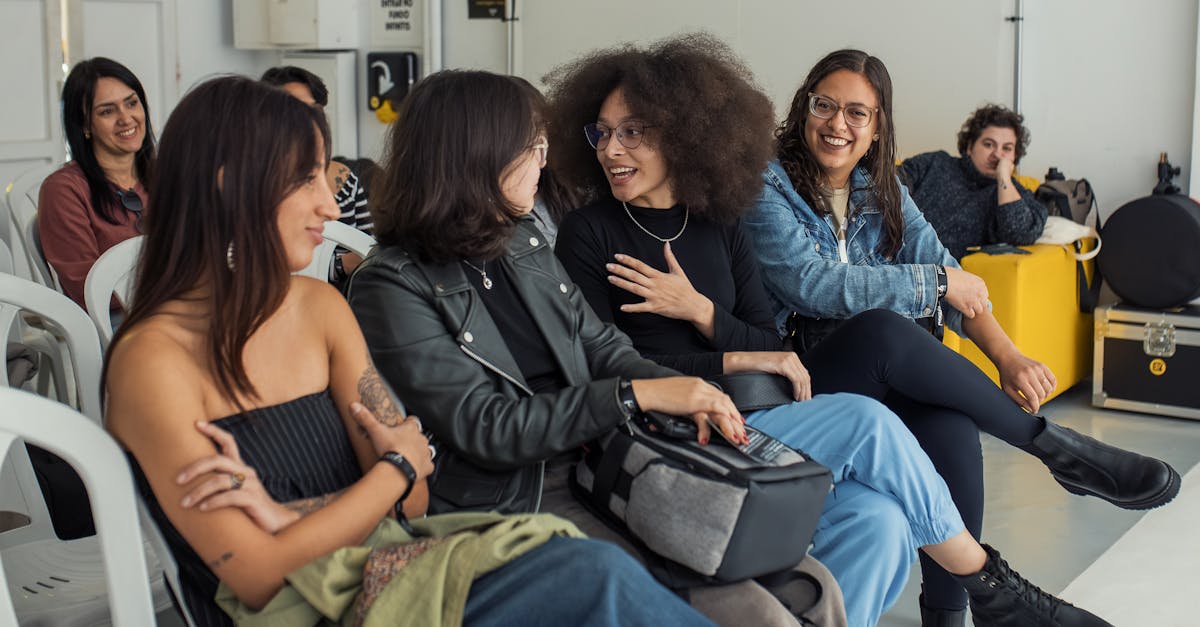
The Loneliness Paradox: Why Connection Craves Meaning
We have more ways to connect than any generation in history. I've got 847 friends on Instagram, a LinkedIn network that would make a recruiter jealous, and a group chat that never sleeps. But here's the ugly truth: connection without meaning is just noise.
I've found that my generation is starving — not for more notifications, but for something that makes the notifications matter. We're the first generation raised entirely on the internet, and we've seen the dark side. We know that a thousand likes can't fill the void at 2 AM when you can't sleep. We've watched friends get canceled for old tweets, seen influencers burn out in real time, and realized that the digital world offers visibility, not fulfillment.
This is where faith sneaks in. It's not about blind belief anymore. It's about asking the hard questions that our apps can't answer: Why am I here? What happens when I die? Is there more than this? A 2023 Pew study showed that 41% of young adults aged 18-29 say they pray daily — that's more than attend religious services, but it's a signal. The search is on.
The Algorithm Can't Save You: Why Gen Z Is Ditching Digital for the Divine
Here's something that surprised me: the very tools that were supposed to kill faith are now fueling its revival. Think about it. We've got YouTube sermons with millions of views, faith-based TikTok creators who go viral, and meditation apps that are basically prayer without admitting it.
But the real shift is offline. I've noticed something strange at my local coffee shop (yes, the same one). There's a young adults group that meets there every Tuesday night. They don't call it a "Bible study" — that sounds too churchy. They call it "Real Talk." They order lattes, argue about whether the universe is random, and somehow end up talking about grace. It's faith, but without the packaging.
What most people miss is that my generation hates being sold to. We can smell a marketing pitch from a mile away. But we're drawn to authenticity like moths to a flame. When faith is presented as a product — "Come to church and your life will be perfect!" — we run. But when it's presented as a struggle, a journey, a thing you can wrestle with? That's different. That feels real.
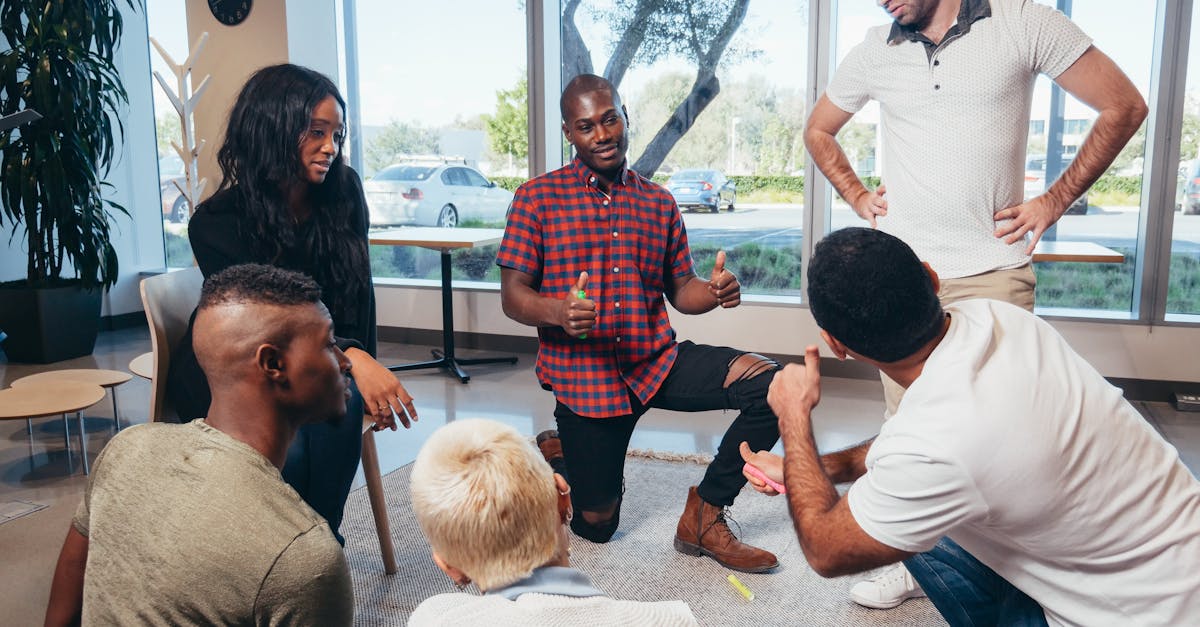
The 3 Surprising Reasons Young Adults Are Coming Back to Faith
I've talked to dozens of people in their 20s and 30s about this shift. Here's what I keep hearing:
- The Death of Materialism — We grew up being told that success is the goal. Get the degree, get the job, get the house, get the stuff. We did that. And we're still empty. Faith offers a different scorecard, one that doesn't depend on your bank account or your follower count.
- Community That Can't Be Scrolled Past — Online communities are great until you have a real crisis. When your parents get divorced or you lose your job, the comments section doesn't show up with casseroles. But I've seen young people find actual, physical community in faith spaces — people who bring soup when you're sick, who pray with you when you're scared, who show up.
- The Permission to Be Weak — Social media demands that we be perfect. Faith says you can be broken. That's revolutionary. There's a deep relief in admitting you don't have it all together, and faith spaces — the good ones — let you do that without judgment.
The "Doubt-Friendly" Church: How Faith Is Evolving for a Skeptical Generation
Here's the part that makes traditionalists nervous: young believers doubt. A lot. They don't check their brains at the door. They ask hard questions about suffering, science, and sexuality. And the faith communities that are growing? They're the ones that let them ask.
I've found that the most compelling faith leaders for my generation aren't the polished preachers with perfect hair. They're the ones who say, "I don't have all the answers, but let's search together." There's a humility to this new wave of faith that feels refreshing. It's not about certainty; it's about trust.
And let's talk about technology for a second. We're not ditching our phones to find God. We're using them. There are apps for Bible reading, podcasts for theology, and Instagram accounts that make ancient wisdom feel fresh. The digital world isn't the enemy of faith — it's the delivery system. But the destination is still offline, in a room with other people, breathing the same air, sharing the same hope.

Why I Think This Is Just the Beginning
If you'd asked me five years ago whether faith would make a comeback, I would have laughed. I was one of those people who thought religion was dying. But I was wrong. The death of organized religion was greatly exaggerated.
Here's what I see: a generation that's tired of being sold happiness in 30-second ads. A generation that knows the emptiness of a thousand followers and no real friends. A generation that's brave enough to say, "Maybe there's something more."
The quiet revolution doesn't make headlines. It doesn't trend on Twitter. It happens in living rooms, coffee shops, and small gatherings where people are honest enough to say, "I'm searching." And you know what? I think that's beautiful.
If you're reading this and you've felt that pull — that strange, quiet curiosity about whether there's more — don't ignore it. You're not alone. The revolution is real, and it's happening right now. The question is: are you ready to be part of it?





