Did you know that in 2023, the average American household threw away nearly $1,600 worth of unused goods? From barely-worn clothes to kitchen gadgets that still had the price tag on them, we've been drowning in a sea of stuff. But here’s the twist: while the world was still obsessing over the latest Stanley cup drop or the most chaotic "haul" video, a silent rebellion was brewing. It didn't start with a viral dance or a celebrity endorsement. It started with a single, quiet video of someone showing how they wash out a Ziploc bag for the fifth time. And suddenly, "underconsumption core" wasn't just a niche idea — it became the year's most unexpected trend.
Let's be honest: I thought we were past this. I thought the pendulum of consumerism had swung so far into "buy everything" that there was no coming back. But here we are, watching Gen Z and millennials alike proudly showing off their empty shopping carts. Not because they can't afford stuff, but because they choose not to buy it.

The Aesthetic of Less: Why We're Romanticizing the Bare Necessities
Here’s what most people miss: underconsumption core isn’t about being poor or frugal. It’s not the same as "quiet luxury" (which still requires spending a fortune on unbranded cashmere). No, this trend is about taking pride in not buying. It’s about making a half-empty bottle of shampoo look like a lifestyle choice.
I’ve found that the most compelling part of this movement is its visual language. On TikTok and Instagram, creators aren't showing off their "hauls" — they’re showing off their "empties." That’s right: people are filming themselves finishing a tube of toothpaste. They're doing "shelf audits" where they confess to owning one pair of jeans for three years. It’s almost like we’ve flipped the script on what’s aspirational.
Why now? Let's look at the numbers:
- Financial Fatigue: After years of inflation and "greedflation," people are tired. The dopamine hit of buying something new wears off in minutes, but the credit card bill lasts for months.
- Climate Anxiety: The young generation is acutely aware that every new polyester shirt is a tiny piece of the planet's future. Underconsumption feels like a tangible protest.
- The "Decluttering" Hangover: We had Marie Kondo, then we had the "maximalist" backlash. Now, we’re in the hangover phase. We realized that decluttering just meant throwing away stuff we bought. The real win is to stop the stuff from coming in.
The "Dupe" Culture Died. Long Live the "Durable"
Remember when "dupe culture" was all the rage? Finding a $20 version of a $200 lipstick felt like a win. But underconsumption core takes it a step further. It asks: why do you need the lipstick at all if you already have three similar shades?
This is the brutal honesty we need. I recently saw a creator say, "I'm not looking for a dupe for the expensive moisturizer. I'm looking for a way to make the one I have last two more months." That’s the shift. It’s not about getting the look for less; it’s about rejecting the look entirely.
The brands are panicking, by the way. You can tell. Suddenly, "buy less, buy better" is being co-opted by luxury companies who want you to buy one $500 shirt instead of ten $50 shirts. But the core of underconsumption isn't about upgrading your purchases. It's about extending the life of what you already own. It’s about darning socks. It’s about using a broken mug as a plant pot. It’s deeply unsexy, and that is exactly why it works.

The Hidden Psychology of "Making Do"
Let’s talk about the psychology for a second. For years, we were told that consumption was a form of self-care. Buy the bath bomb because you "deserve it." Buy the new phone because you "work hard." Underconsumption core directly challenges this narrative. It suggests that not buying something is actually the ultimate act of self-care.
I’ve found that there is a deep, almost meditative pleasure in "making do." When you run out of hand soap and you mix the last drops of two different bottles just to get through the week? That feels like a victory. It’s a small rebellion against the algorithm that wants you to buy a new bottle every two weeks.
This trend also taps into a primal human instinct: resourcefulness. Our grandparents did this out of necessity. We are doing it out of choice (mostly). And that choice feels powerful. It gives you a sense of control in a world that feels increasingly out of control. You can't control the economy, but you can control whether you finish that jar of pickles or let it rot in the back of the fridge.
Is It Just a Trend? Or a Lifestyle Reboot?
Here’s the hard question: Will underconsumption core last? Or is it just a vibe we adopt until the next shiny thing comes along?
I’m cautiously optimistic. Unlike other TikTok trends (looking at you, "tomato girl summer"), this one has actual substance. It saves you money. It reduces waste. It makes you feel competent. The problem is that consumerism is a hydra—cut off one head (overconsumption hauls), and two more grow back (underconsumption aesthetics monetized).
We are already seeing the "commodification" of this trend. Brands are selling "anti-consumption" t-shirts for $60. There are "buy less" candles. It’s ironic, but it’s also inevitable. The real test is whether you, the reader, can detach the feeling of the trend from the act.
I’ve started doing something simple: I call it the "30-Day Purchase Pause." Before I buy anything non-essential, I add it to a list and wait 30 days. You know what? 90% of the time, I forget about the item entirely. That’s the secret underconsumption core is trying to teach us: You don't actually want the thing. You want the feeling of wanting the thing.
The Quiet Return
So, is underconsumption core the year’s most unexpected trend? Absolutely. It’s quiet, it’s unglamorous, and it’s the exact opposite of the "influencer" lifestyle. But that is precisely its power.
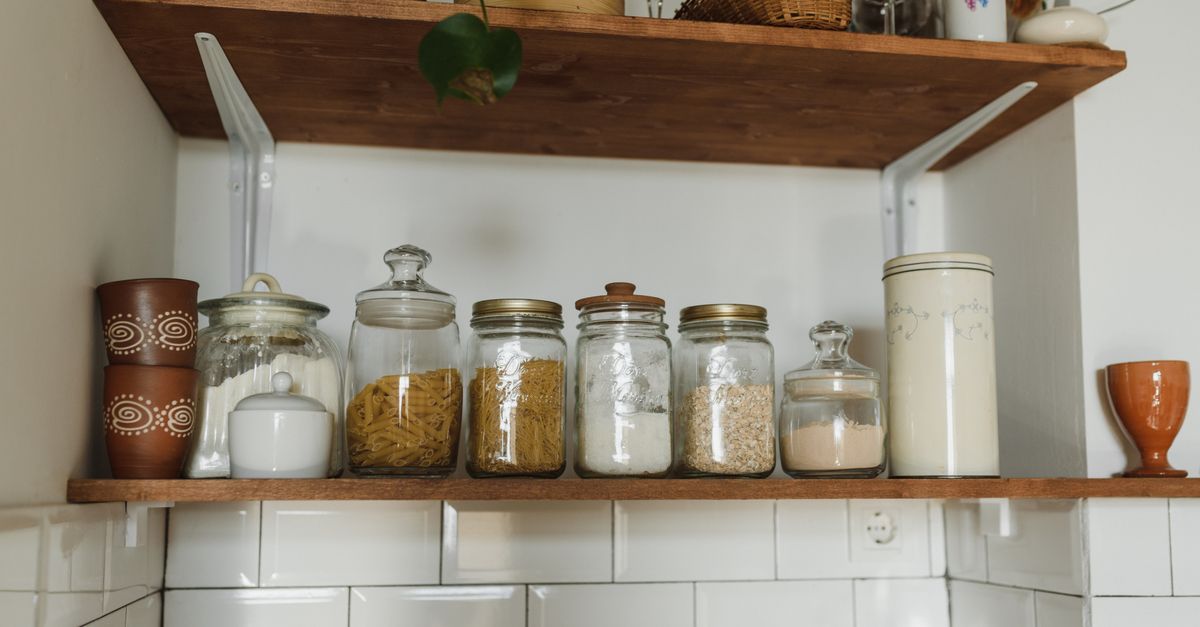
It’s a reminder that the most radical thing you can do in a world screaming "buy more" is to simply... stop. It’s not about being a minimalist guru or having a perfectly curated capsule wardrobe. It’s about looking at your half-full bottle of dish soap and feeling a strange sense of pride. It’s about the quiet return to enough.
The next time you feel the itch to click "add to cart," ask yourself: Is this going to make me happier, or is it just going to fill a gap that can be filled by using up what I already have? The answer might surprise you. And it might just save you a few hundred dollars this year.