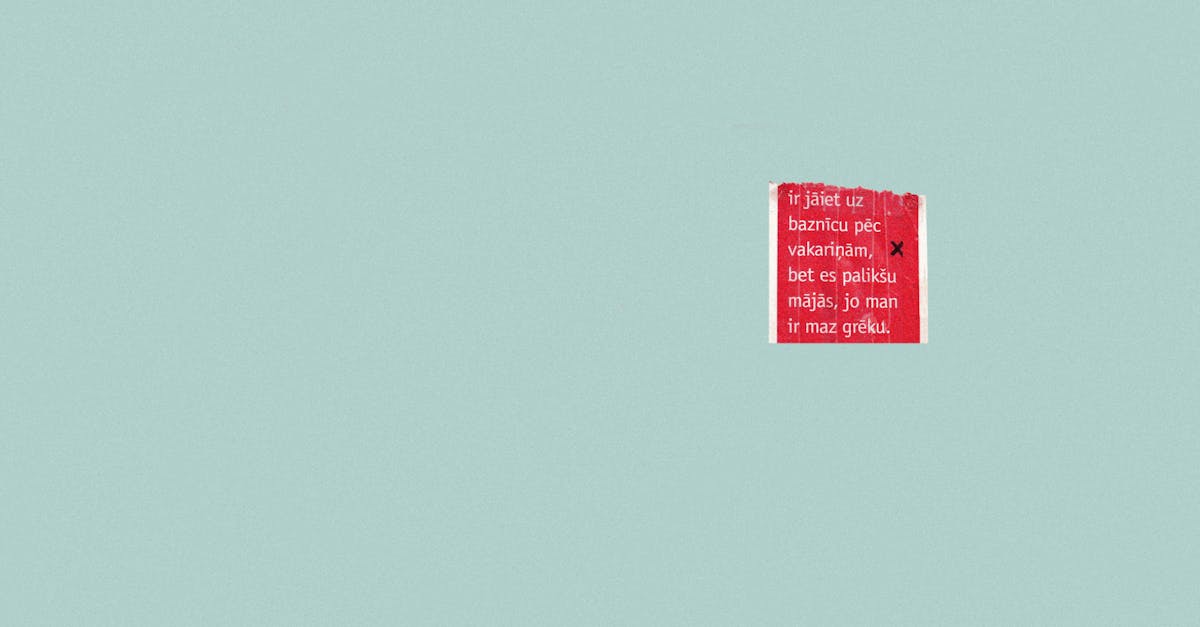
Let me tell you something that might sound a little strange coming from someone who spends half her life online: I’ve started saying no to things I actually want to do. Not because I’m busy, not because I’m tired, but because I’ve discovered the quiet, slightly rebellious joy of missing out.
We’ve spent the last decade obsessed with FOMO — the fear of missing out. It’s the reason you scroll through Instagram at 11 PM feeling a pang of envy over a friend’s beach vacation. It’s the anxiety that makes you RSVP “yes” to a party you don’t want to attend. But there’s a new kid on the wellness block, and it’s not loud or flashy. It’s JOMO: the Joy of Missing Out.
And honestly? It might just be the most underrated form of self-care.
The Silent Rebellion Against the Algorithm
Here’s what most people miss about JOMO: it’s not about being antisocial or lazy. It’s a deliberate choice to reclaim your attention from the noise. Think of it as a quiet rebellion against the endless notifications, the group chats that never stop, and the pressure to be everywhere at once.
I’ve found that the first time you say “no” to an invitation — whether it’s a friend’s dinner or a trending event — it feels uncomfortable. You worry you’ll offend someone. You worry you’ll miss that one magical moment everyone talks about. But here’s the truth I’ve learned after a year of practicing JOMO: you won’t. The moments that matter find you anyway.
Let’s be honest: how many times have you attended something out of obligation and spent the whole time wishing you were home in sweatpants? Exactly. JOMO gives you permission to listen to that quiet voice that says, “I’d rather be reading a book right now.”

Why JOMO Hits Different in 2024
We’re living in an era of information overload. The average person checks their phone 96 times a day. That’s not a flex — that’s a compulsion. Social media platforms are designed to keep you scrolling, and FOMO is the engine that powers them. Every notification is a tiny alarm bell telling you something exciting is happening somewhere else.
But JOMO flips the script. Instead of asking “What am I missing?” it asks “What am I gaining by being here, right now?”
The answer is usually peace. Or rest. Or the ability to actually finish a meal without looking at your phone. I’ve noticed that when I intentionally miss out on a big event — like a concert or a friend’s weekend trip — I don’t feel deprived. I feel grounded. I feel like I’m choosing my own adventure instead of being dragged along by someone else’s.
And here’s the surprising part: people actually respect it. When you decline an invite with a simple “I’m choosing to stay in tonight,” it sends a message. It says you value your time. It says you’re not desperate for approval. That confidence? It’s magnetic.
The Science Behind the Joy
This isn’t just feel-good philosophy. There’s actual psychology behind why JOMO works. The scarcity principle — the idea that we value things more when they’re rare — is what makes FOMO so powerful. We think if we miss one event, we’ll lose out on connections, opportunities, or experiences.
But the paradox of choice tells us that too many options actually make us less happy. When you constantly chase the next best thing, you never fully enjoy what you already have. JOMO is a way to shrink your options intentionally. You stop trying to attend every party, watch every show, or keep up with every trend. And suddenly, the things you do choose feel more meaningful.
I’ve found that saying “no” to 90% of social invites doesn’t make my life smaller — it makes it richer. I have more energy for the 10% that truly matter. I show up fully present, not half-distracted by what else I could be doing.

5 Practical Ways to Cultivate JOMO
If you’re ready to trade FOMO for JOMO, start small. You don’t need to delete all your social media tomorrow (though if you do, more power to you). Here’s what actually works:
- Schedule “miss out” time. Block off two hours a week where you deliberately avoid plans. No invites, no scrolling, no pressure. Just you and whatever feels good — reading, napping, cooking, staring at a wall. Call it your JOMO hour.
- Turn off non-essential notifications. This is the low-hanging fruit. Go into your settings and kill everything except calls and texts from your inner circle. The dopamine hits from likes and comments? They’re not worth your mental bandwidth.
- Say “no” to one thing this week. It doesn’t have to be big. Maybe it’s a work happy hour or a group chat you’ve been meaning to mute. Notice how it feels to miss out. I bet you’ll feel relief, not regret.
- Practice “single-tasking.” When you’re doing something — eating, walking, talking to a friend — don’t do anything else. No phone. No multitasking. Just be present. This is JOMO in action.
- Curate your inputs. Unfollow accounts that make you feel inadequate. Mute conversations that drain you. The less you expose yourself to “everyone else’s highlight reel,” the easier it is to enjoy your own.
The Dark Side of FOMO Culture
Let’s get real for a second. FOMO isn’t just annoying — it’s harmful. Studies have linked chronic FOMO to anxiety, depression, and lower life satisfaction. It keeps you in a state of constant comparison, which is the thief of joy.
I’ve seen friends burn out trying to attend every networking event, every birthday party, every “can’t-miss” experience. They end up exhausted, resentful, and still feeling like they’re not doing enough. That’s not living — that’s surviving on someone else’s itinerary.
JOMO is the antidote. It’s a reminder that you are the author of your own life. You get to decide what’s worth your time. And most of the time, the things you fear missing are actually things you wouldn’t even enjoy.

Why This Trend Is Here to Stay
I’ve been writing about wellness trends for years, and most of them fade faster than a TikTok dance. But JOMO feels different. It’s not a product you can buy or a challenge you can complete. It’s a mindset shift — a way of moving through the world that prioritizes depth over breadth.
The more crowded and chaotic the world gets, the more valuable it becomes to step back. To miss out on purpose. To choose peace over panic.
So here’s my challenge to you: next time you feel that familiar FOMO twinge, pause. Ask yourself: “Do I actually want to do this, or am I just afraid of missing something?” If the answer is the latter, give yourself permission to say no. You might be surprised at how much joy you find in missing out.