
Let’s be honest: the “quiet luxury” trend isn’t about money. It’s about taste. And taste, contrary to what fashion houses want you to believe, is not for sale. It’s cultivated.
The viral aesthetic—think Succession wardrobes, Old Money elegance, and that elusive “stealth wealth” look—has been packaged as the exclusive domain of the ultra-rich. But that’s a marketing ploy, and a lazy one at that. The core of quiet luxury isn’t a $4,000 cashmere sweater; it’s a philosophy of intentional consumption, impeccable fit, and a rejection of logos. It’s the art of looking profoundly put-together without appearing to have tried. And that is accessible to anyone with a discerning eye and a bit of strategy.
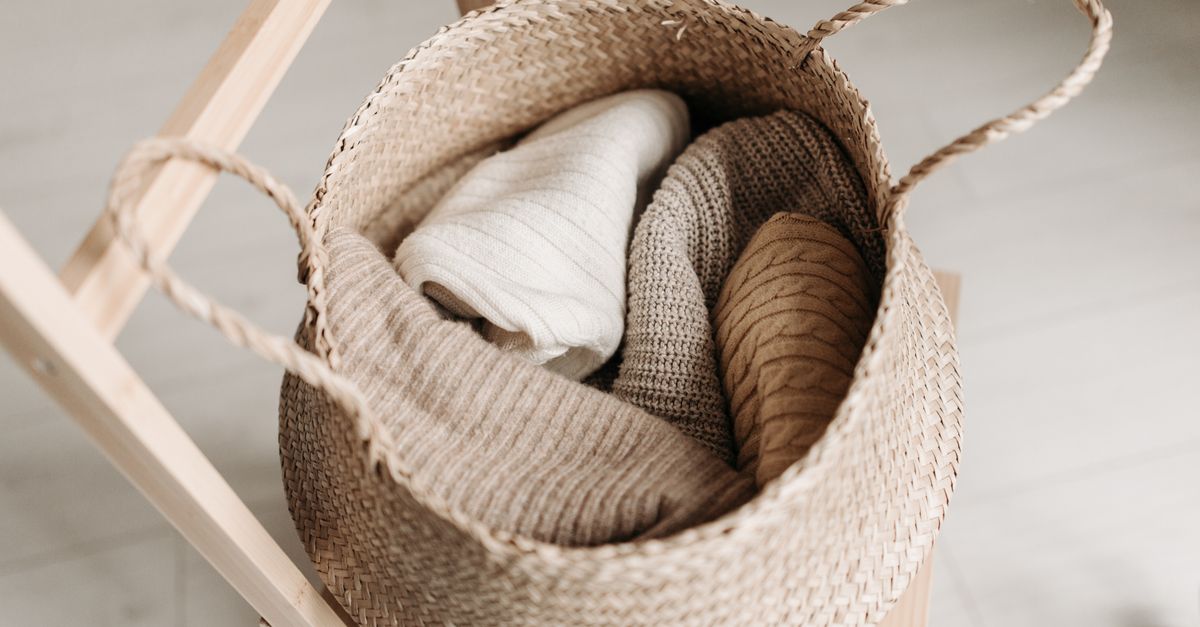
The Quiet Luxury Lie: Stealth Wealth vs. Smart Style
The term “stealth wealth” makes me cringe. It implies the goal is to hide your riches from the poors. How elitist, and frankly, how boring. True effortless style isn’t about secrecy; it’s about confidence in your choices. It’s wearing a simple, perfect white t-shirt because you love its drape, not because you’re signaling your bank account to other initiates.
Here’s what most people miss: the trend’s popularity exposes a mass fatigue with fast fashion’s chaos. We’re tired of loud prints, peeling logos, and disposable pieces that scream for attention. Quiet luxury resonates because it promises calm, coherence, and longevity. It’s a sartorial deep breath. So, let’s reclaim it from the billionaires and make it about smart, sustainable style for the rest of us.
The Three Pillars of Effortless Style (At Any Price)
You can’t buy the aesthetic, but you can build it. Focus on these three non-negotiable pillars, regardless of your budget.
- Fabric is King (and Natural Fibers are the Kingdom). This is the hill I will die on. A polyester blazer will never, ever achieve the same look as one in wool or linen. Natural fibers—cotton, linen, wool, cashmere, silk—drape better, breathe, age gracefully, and simply look richer. They communicate care and quality at a tactile level. Start reading garment tags. A $50 linen shirt from a thoughtful brand will out-class a $150 polyester blend every time.
- Fit is the Silent Language of Style. You could wear head-to-toe Brunello Cucinelli, but if it’s ill-fitting, it looks sloppy. Conversely, a perfectly tailored pair of trousers from a thrift store looks expensive. Tailoring is the ultimate secret weapon. Find a good local tailor. Buy for the widest part of your body (shoulders for jackets, hips for pants) and have the rest taken in. This single act elevates every item in your closet.
- A Cohesive Color Story is Your Foundation. The “quiet” in quiet luxury often comes from a restrained, harmonious color palette. You don’t need to wear only beige (please, don’t). Build a base of neutrals you love: charcoal, navy, oatmeal, cream, olive, chocolate. These pieces mix and match seamlessly. Then, add a few intentional “accent” pieces in colors that complement your palette. Your closet becomes a toolkit, and getting dressed becomes effortless.

Building Your Capsule: The Strategic Edit
This is where the magic happens. I’ve found that cultivating this style requires a ruthless, thoughtful edit of what you already own. It’s not about shopping first; it’s about seeing with new eyes.
Audit with Ruthlessness. Empty your closet. For every item, ask: Is the fabric natural or high-quality? Does the fit flatter me right now (not 10 lbs ago)? Does it align with my color story? Does it make me feel confident and calm? If not, thank it and let it go. Identify the Hero Pieces. These are your high-quality, versatile workhorses. A great blazer. The perfect jeans. Leather shoes that are resolable. A soft knit. Invest your budget here, over time. Master the Art of the “Third Piece.” This is the style hack that never fails. A basic tee and jeans are just that—basic. Add a structured blazer, a fine-gauge cardigan, or a sleek trench coat (the “third piece”), and suddenly, it’s a look. This layer is often where quiet luxury lives.
The Budget-Alchemist’s Playbook
You think you need money? You need patience and a sharp eye. Here’s how to practice quiet luxury on a budget.
Thrift and Consign with Intention. Don’t browse aimlessly. Go with a list: “wool blazer, navy,” “silk camisole,” “leather loafers.” You’re hunting for quality fabrics and classic cuts, not trends. Wealthy people consign excellent items all the time. The “Cost Per Wear” Mindset. Stop buying $50 shoes you’ll wear twice. Save for a $250 pair you’ll wear 250 times. The cost per wear plummets, and your daily style soars. Apply this logic to outerwear, bags, and denim. Care as a Luxury Act. The truly stylish don’t just buy nice things; they care for them. Learn to steam instead of iron. Use a sweater shaver. Store knitwear folded. Polish shoes. This ritual of care extends the life of your clothes and deepens your connection to them—the ultimate luxury.

Beyond the Clothes: The Quiet Luxury Mindset
Finally, this trend fails if it stops at your outfit. Quiet luxury is a holistic approach. It’s in the clean, organized closet. It’s in the well-maintained haircut. It’s in the posture of someone who isn’t frantic. It’s choosing the perfectly brewed coffee over the chaotic, sugary drink. It’s the removal of clutter—physical and visual—to make space for what truly matters.
It’s the confidence that comes from knowing every item you own serves a purpose and brings you joy. That’s a richness no logo can ever provide.
So, I challenge you: This week, don’t buy a thing. Instead, take one item to the tailor. Mend a seam. Reorganize a drawer. Wear your best pieces, just because. That’s where your own version of quiet luxury begins—not with a purchase, but with a conscious, intentional choice.
Follow us: YouTube. Follow for more great content!





