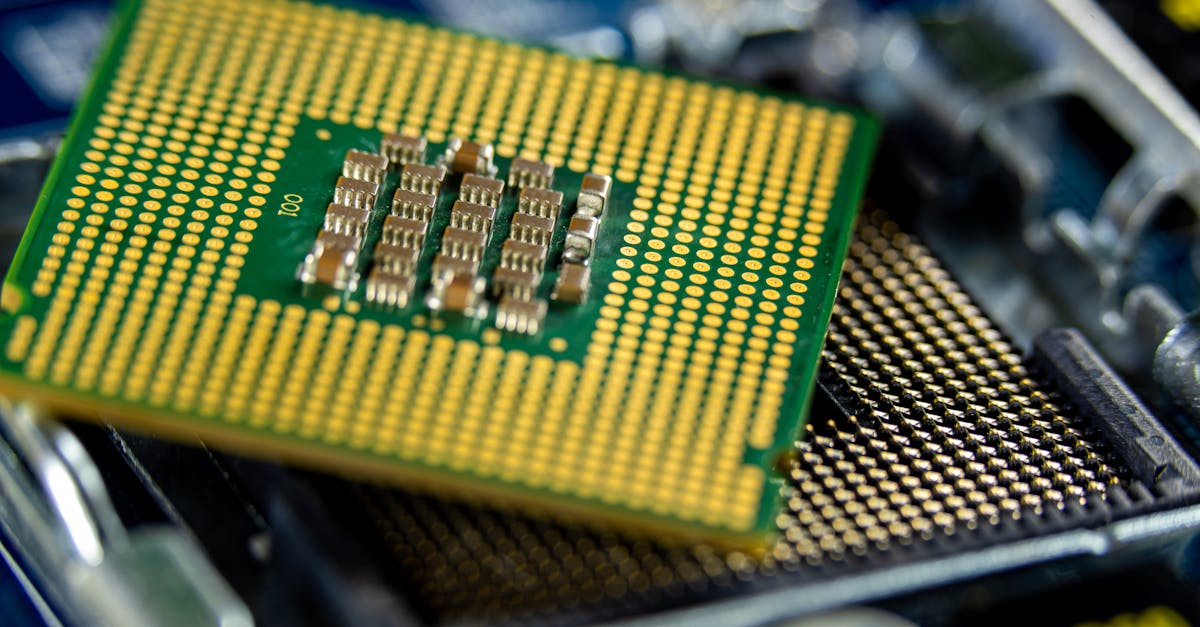
My uncle called me last Tuesday, genuinely rattled. He's a CPA in Ohio who still prints his emails — not exactly the guy you'd expect to be sweating quantum physics. But he'd just read that Google unveiled a new quantum chip called Willow, and one headline claimed it solved in five minutes a problem that would take regular supercomputers "10 septillion years."
"So does this mean my bank passwords are garbage now?" he asked.
Fair question. And honestly, the answer is more interesting than the panic headlines suggest.
The Day Google's New Chip Made Physics Nerds Cry
Here's what actually happened. In late 2024, Google announced Willow, its latest quantum processor, and it did two things that genuinely matter.
First, it finally cracked a problem researchers had been chasing for almost 30 years: quantum error correction. Quantum bits — qubits — are absurdly fragile. A stray vibration, a tiny temperature blip, and your calculation collapses. For decades, adding more qubits made things worse, not better. Willow flipped that. The more physical qubits Google added, the fewer errors appeared. That's the milestone. That's the whole ballgame.
Second, that "10 septillion years" claim? It's real, but here's what most people miss: the problem it solved was a benchmark designed to be hard for classical computers and easy for quantum ones. It's like bragging you can swim across a pool faster than a bicycle can. True! Also meaningless as a race.

I'm not dunking on Google here. The error correction breakthrough is legitimately historic. But the gap between "historic lab result" and "thing that affects your life" is where all the hype lives.
Why Error Correction Is the Whole Damn Point
Let me explain this without the physics degree.
Imagine you're whispering a message down a line of 100 people. By the end, it's gibberish. Now imagine instead you have 100 people repeat the message to each other and vote on what they heard. Suddenly the message survives. That's roughly what error correction does for qubits.
For years, quantum computers were the whispering game. Google just proved the voting works.
This matters because every practical quantum application — drug discovery, materials science, cryptography — depends on scaling up without drowning in errors. Willow shows that scaling is possible. Not easy. Not soon. Possible.
What the Quantum Computing Race Actually Means for Your Wallet
Okay, Rashida, get to the part where this touches my life.
Let's be honest, most of us won't interact with a quantum computer directly, ever. But the ripple effects? Those are coming. Here's my honest breakdown:
- Your encryption is fine — for now. The scary part isn't today, it's "harvest now, decrypt later." Bad actors can steal encrypted data today and sit on it until quantum computers can crack it. Banks and governments are already migrating to post-quantum cryptography. You don't need to do anything. Your bank does.
- Drug discovery gets faster. Quantum simulation of molecules is the killer app. This is the one I'm genuinely excited about — new antibiotics, better cancer drugs, materials that don't exist yet.
- Your job probably isn't toast. Every quantum milestone triggers "AI will take your job but quantum will take it faster" thinkpieces. Ignore them. We're years from commercial viability.
- Investing hype is a trap. If someone's pitching you a quantum startup fund right now, ask them how many logical qubits it has. Watch them sweat.
Here's the thing nobody says out loud: the quantum computing race isn't a sprint to replace your laptop. It's a slow crawl toward solving problems that are currently impossible. Climate modeling. Fertilizer production. Battery chemistry. The unsexy stuff that quietly holds civilization together.
The Two Things I Actually Worry About
I've found that most quantum coverage swings between "it's magic" and "it's useless." The truth is boring and important.
Worry one: the cryptography transition is slow. NIST finalized post-quantum encryption standards in 2024, but getting every hospital, utility, and government agency migrated will take a decade. That's a decade of exposure.
Worry two: the talent gap. There are maybe a few thousand people on Earth who truly understand quantum error correction. That's a chokepoint no amount of venture capital fixes overnight.
Neither of these is a reason to panic. Both are reasons to pay attention.
So Should You Care?
Yes — but not the way the headlines want you to.
You shouldn't care because your iPhone is about to get quantum-powered (it isn't). You should care because we just watched a 30-year-old wall come down, and walls coming down is how entire industries get rebuilt. The internet was a lab curiosity once. So was the transistor.
My uncle's passwords are safe. His grandkids' world, though? That's being built right now, qubit by fragile qubit.
Here's my challenge to you: next time you see a "quantum breakthrough" headline, ask one question — did they demonstrate error correction at scale, or did they just run a benchmark? That single question separates the real milestones from the marketing.
And if you figure out how to explain any of this at Thanksgiving dinner, let me know. My uncle's still confused.





