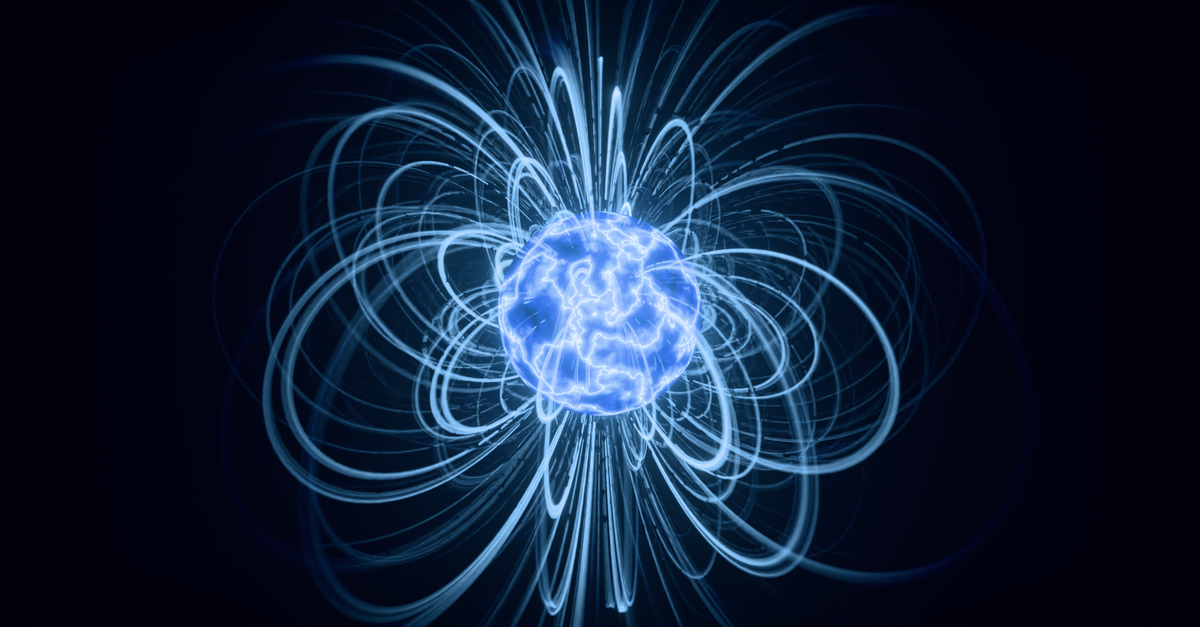
Here's a fact that stopped me mid-scroll the other day: designing a single new drug can take 10 to 15 years and cost north of $2 billion, and roughly 90% of drug candidates that enter clinical trials fail. Let that sink in. We're pouring fortunes into a process that mostly doesn't work, and the people waiting on the other end of those failures are real patients with real names.
But here's the twist that got me genuinely excited — and I don't say that lightly. A quiet but seismic shift is happening at the intersection of quantum computing and medicine, and it's not the vague, ten-years-away hype you've probably skimmed past. It's happening now. And it might change how we treat disease more than anything since antibiotics.
The Molecule Problem Nobody Warns You About
I've found that most people picture drug discovery like something out of a movie — a scientist in a lab coat squinting at a beaker. The reality is messier and far more mathematical. To know whether a molecule will actually work as a drug, you need to understand how its electrons behave. And electrons? They don't play by normal rules. They obey quantum mechanics.
Here's the catch: simulating those quantum interactions on a classical supercomputer is like trying to nail jelly to a wall. Even a modest molecule can have more possible electronic configurations than there are atoms in the observable universe. No amount of brute-force computing gets you there. This is why drug discovery is so slow and so brutally expensive — we're essentially guessing, then testing, then guessing again.
Quantum computers, though, speak the native language of molecules. They don't simulate quantum behavior — they are quantum. It's the difference between describing a symphony and actually hearing it.

The Breakthrough That Made Me Sit Up Straight
Let's be honest — quantum computing has been "five years away" for about fifteen years. I've rolled my eyes at more press releases than I can count. But the last couple of years genuinely changed the story. We've seen real advances in quantum error correction — the thing that used to be the field's embarrassing secret. Suddenly, researchers are demonstrating that quantum systems can hold onto coherent information long enough to do meaningful chemistry calculations, not just party tricks.
Companies like IBM, Google, and a wave of hungry startups are now partnering directly with pharma giants to model drug-relevant molecules. We're not talking about replacing your pharmacist with a refrigerator full of qubits. We're talking about cutting years off the front end of drug discovery — the part where you figure out which molecules are even worth testing.
Here's what most people miss: the win isn't that quantum computers are faster. It's that they can explore chemical space that classical computers literally cannot. That's a whole new map, not just a faster car on the old one.
What This Actually Means for Patients Like You and Me
Let me get concrete, because "quantum" and "medicine" together can sound like a buzzword salad.
- Faster cures for rare diseases. Rare diseases get neglected because the economics don't work — too few patients, too high a cost to develop. Quantum-accelerated discovery could flip that math and make orphan drugs viable.
- Personalized medicine that's actually personal. Instead of trial-and-error prescribing, we could model how your specific biology responds to a drug before you ever swallow a pill.
- Antibiotic resistance, meet your match. We desperately need new antibiotics, and the molecular search is exactly the kind of problem quantum excels at.
- Protein folding, supercharged. Understanding how proteins misfold is central to Alzheimer's, Parkinson's, and more.
The Part That Should Make You a Little Uneasy
Here's where I put on my skeptical hat, because someone has to. Quantum computing in medicine raises questions we're not remotely ready to answer.
Who owns the algorithms that discover the next blockbuster drug? If a quantum model designs a molecule, who gets the patent — and the profit? And then there's the data question: the health information that would train these systems is the most sensitive data we have. Leak that, and it's not a password reset situation.
I've found that the tech world tends to sprint ahead and ask for forgiveness later. Medicine doesn't really allow for "move fast and break things." When the thing you break is a patient's trust, that's not easily rebuilt.
Why You Should Care Even If You Never Touch a Qubit
Look, you probably won't ever operate a quantum computer, and that's fine. But you might one day take a drug that only exists because of one. You might watch a family member get a diagnosis years earlier because a molecule was modeled in hours instead of decades. That's the world this breakthrough is quietly building toward.
The honest truth? We're at the messy, unglamorous middle of this story — past the hype, before the payoff. That's usually where the real work happens, and where the smart money and the smart people quietly gather.
So here's my challenge to you: the next time you hear "quantum computing," don't glaze over. Ask who's using it, and for what. Because the future of medicine is being written right now, one qubit at a time — and the people paying attention will be the ones who understand it first.
What do you think — miracle or overhyped? Drop me a note, because I genuinely want to hear the counterarguments. That's how we all get smarter.





