Picture this: I'm sitting in a café in Baku, watching an old man at the next table try to explain a chess problem to his grandson. The kid keeps nodding, but his eyes are glazed over — the logic is three moves too deep for him to hold in his head. And I thought, that's exactly where we are with quantum computing right now. We can see the checkmate. We just can't quite hold all the pieces in our minds yet.
But that's changing. Faster than most of us realize.
The Day Classical Computers Hit a Wall (You Just Didn't Notice)
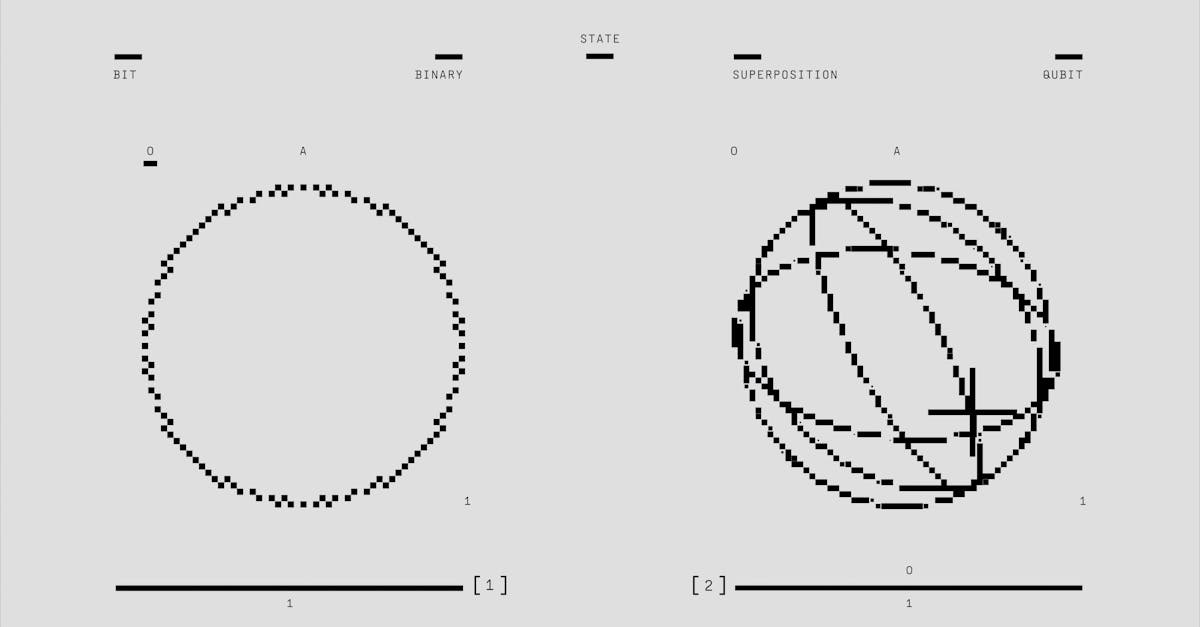
Here's something wild: the laptop you're reading this on is essentially a very, very fast abacus. It flips bits between 0 and 1, billions of times per second, and it's brilliant at it. But there are problems it cannot solve — not "solve slowly," but genuinely can't. Simulating large molecules. Factoring massive numbers. Optimizing global supply chains with millions of variables.
I've found that most people hear "quantum computing" and file it next to flying cars and moon colonies — cool, futuristic, never happening. That's the mistake. The quantum computing breakthrough everyone's been waiting for isn't decades away anymore. The smart money says we'll see something genuinely transformative by 2030.
And no, I'm not being dramatic. Let me show you why.
Why 2030 Isn't a Wild Guess — It's Arithmetic
Let's be honest: for years, quantum computing was a punchline. "It'll be ready in twenty years" — the same twenty years, every year. I used to roll my eyes at the press releases too.
But something shifted. The error rates that once made quantum machines useless are dropping fast. Companies like IBM and Google have published roadmaps that, if you actually read them carefully (I did — twice, with coffee), put fault-tolerant quantum computers somewhere around 2029-2030. Not lab curiosities. Machines that can run real algorithms and give answers classical supercomputers can't produce in any reasonable time.
Here's what most people miss: it's not about one big breakthrough anymore. It's a thousand small engineering wins stacking up — better qubits, cleverer error correction, cryogenic systems that don't need a small power plant to run. The boring stuff. And boring stuff, compounded over a decade, is what actually changes the world.
The Three Things Quantum Will Quietly Rewrite
When people ask me what a quantum computing breakthrough actually does for them, I like to break it down. Forget the hype about "infinite parallel universes" — here's the practical version:
- Medicine gets absurdly faster. Simulating a single drug molecule is brutal for classical computers. Quantum machines are built for exactly this kind of chemistry problem. We're talking drug discovery timelines shrinking from a decade to a few years. That's not a productivity boost — that's lives.
- Materials science stops guessing. Room-temperature superconductors, better batteries, carbon capture that actually works. Quantum simulation could hand us materials we've only dreamed about on whiteboards.
- Optimization becomes invisible. Traffic systems, logistics, financial portfolios, energy grids — quantum optimization could shave costs off everything without you ever noticing it happened. The best technology disappears into the plumbing.

The Unsexy Truth Nobody Wants to Hear
Here's where I'll push back on the cheerleaders. A quantum computing breakthrough by 2030 doesn't mean you'll buy a quantum laptop. It won't sit on your desk. It'll live in data centers, accessed through the cloud, and most of us will interact with it the way we interact with weather satellites — indirectly, through better apps and faster discoveries.
And there's a real risk we're underestimating: the skills gap. Quantum programming is genuinely different — it demands thinking in probabilities, not certainties. I've dabbled in Qiskit, and let me tell you, my brain protested. If we don't start teaching quantum literacy now, the 2030 breakthrough will belong to a tiny handful of countries and companies. That's a problem worth caring about today.
What You Should Actually Do With This Information
You don't need to become a quantum physicist. But you should stop filing this technology under "not my problem." Start noticing the headlines. Follow the error-correction milestones, not the qubit-count bragging. When a company says "we're quantum-ready," ask what that actually means.
Most of all, stay curious. The next five years are going to feel a lot like the run-up to the smartphone era — a bunch of nerdy things happening in labs, and then suddenly everything is different and nobody remembers exactly how it happened.
So here's my question for you: when the quantum era arrives, do you want to be the person nodding politely at the chessboard, or the one actually playing the game?
I know which one I'm choosing. And I'd love to hear what you think is coming first — the medicine, the materials, or the thing none of us are predicting yet. Drop it in the comments. I read every one.