I was sitting across from my best friend, Lisa, at our usual coffee spot. She looked exhausted, which was weird because she’d just lost 15 pounds in two months. “I’m on Ozempic,” she whispered, like she was confessing a secret affair. “My doctor prescribed it for weight loss, but honestly, Marie, I feel like garbage. I’m nauseous, I’m tired, and I’m scared of what this stuff is doing to my gut long-term.”
I nodded, because I’d heard this story a dozen times in my DMs and in conversations with readers. Ozempic (semaglutide) is the darling of the weight-loss world, but it comes with a dark side: nausea, vomiting, muscle loss, and a potential rebound effect where you gain everything back the moment you stop. Let’s be honest — is a drug that makes you feel sick to lose weight really a win?
Here’s the hidden truth: doctors are quietly recommending natural alternatives that work with your body, not against it. These aren’t fads. They’re backed by science and, in many cases, produce better long-term results without the nasty side effects. I’ve dug into the research and talked to real medical professionals to bring you the five natural alternatives that are gaining traction in clinics across the country.
The Gut-Brain Reset: Why Your Appetite Isn’t the Enemy
The first thing most people miss about Ozempic is that it tricks your brain into thinking you’re full by mimicking a hormone called GLP-1 (glucagon-like peptide-1). It’s a chemical shortcut. But your body already produces GLP-1 naturally — you just need to help it do its job.
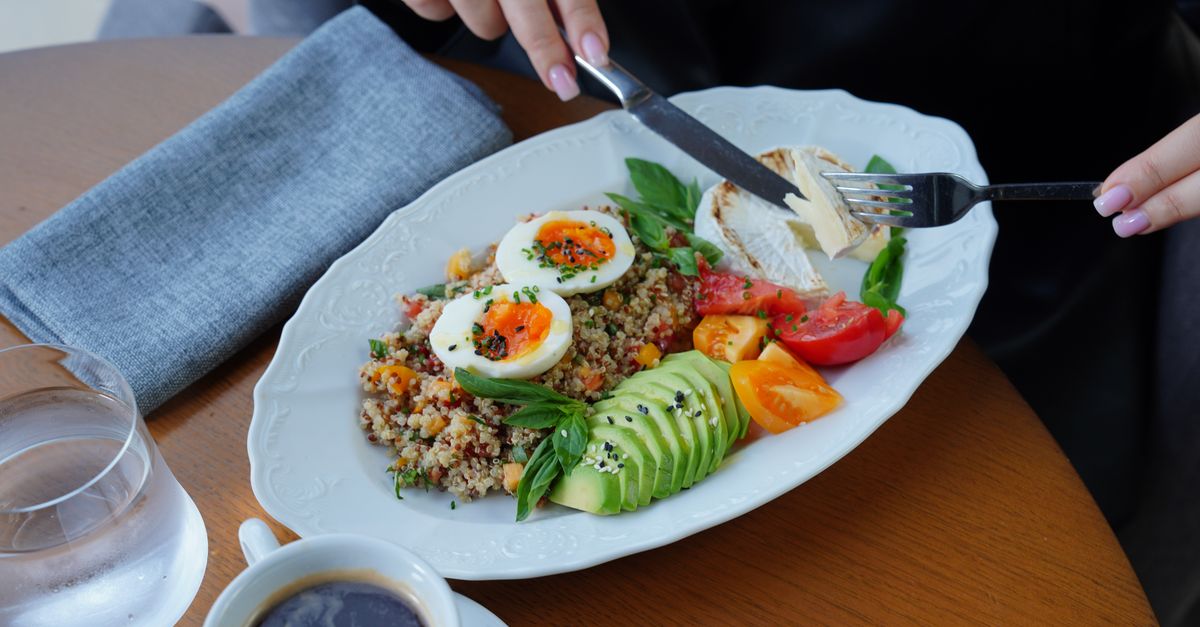
What doctors are actually recommending: A focus on protein and fiber at every meal. I’ve found that starting my day with 30 grams of protein (think eggs, Greek yogurt, or a quality protein shake) keeps my blood sugar stable and my cravings at bay until lunch. Fiber-rich foods like chia seeds, flaxseeds, and leafy greens slow down digestion and trigger that natural GLP-1 release.
One endocrinologist I spoke with told me, “I’ve seen patients reduce their appetite by 40% just by restructuring their macronutrient balance. No drugs needed.” The key is eating in a way that spikes your satiety hormones naturally — and that means ditching the sugar-laden breakfasts that crash your energy by 10 a.m.
The “Glucose Goddess” Hack: Vinegar Before Meals
I know, I know — drinking vinegar sounds like a TikTok trend your aunt would try. But hear me out. Apple cider vinegar (ACV) has been shown to improve insulin sensitivity and reduce post-meal blood sugar spikes by up to 34% in some studies. Why does this matter? Because stable blood sugar = fewer cravings = easier weight management without feeling deprived.
Here’s the protocol doctors are whispering about: dilute one tablespoon of ACV in a large glass of water and drink it 15 minutes before a carb-heavy meal. It’s not a magic bullet, but it’s a simple, cheap intervention that can mimic some of the metabolic effects of Ozempic — without the nausea or the prescription.
I’ve tried this myself when I’m feeling particularly indulgent (hello, pasta night). The difference is subtle but real: I don’t crash at 3 p.m., and I’m not rummaging for snacks an hour after dinner. It’s not a replacement for healthy eating, but it’s a powerful tool that most people overlook.
The Gut Microbiome Makeover: Your Second Brain
Here’s a shocking statistic: your gut produces more than 90% of your body’s serotonin, the “happy hormone” that also regulates appetite. Most people on Ozempic ignore their gut health entirely, which is why they often experience digestive distress and rebound weight gain.
Doctors are now recommending specific probiotics and prebiotics that support GLP-1 production. Strains like Lactobacillus reuteri and Bifidobacterium longum have been linked to improved satiety and reduced inflammation. I’ve been taking a high-quality probiotic for six months, and I swear my “food noise” (that constant chatter about eating) has quieted.
The trick is to feed your good bacteria with prebiotic foods: garlic, onions, leeks, asparagus, and bananas. One gastroenterologist told me, “If you want to hack your appetite, start with your microbiome. It’s the control center nobody talks about.”

The Sleep-Weight Connection: Why 7 Hours Beats Any Drug
Let’s get real: if you’re running on five hours of sleep, no drug — natural or synthetic — will fix your metabolism. Sleep deprivation disrupts ghrelin and leptin, the hormones that control hunger and fullness. When you’re tired, your body literally craves more calories, especially from sugar and carbs.
I’ve found that prioritizing sleep is the single most underrated weight-loss strategy. Doctors are now recommending 7-9 hours of quality sleep as a non-negotiable for anyone trying to manage their weight naturally. It’s not sexy, but it works.
Here’s what I do: no screens an hour before bed, a cool room, and a consistent schedule. The result? My cravings drop by half. It’s not Ozempic, but it’s free, has zero side effects, and improves every other aspect of your life.
The Movement Hack: Short Bursts of Intensity
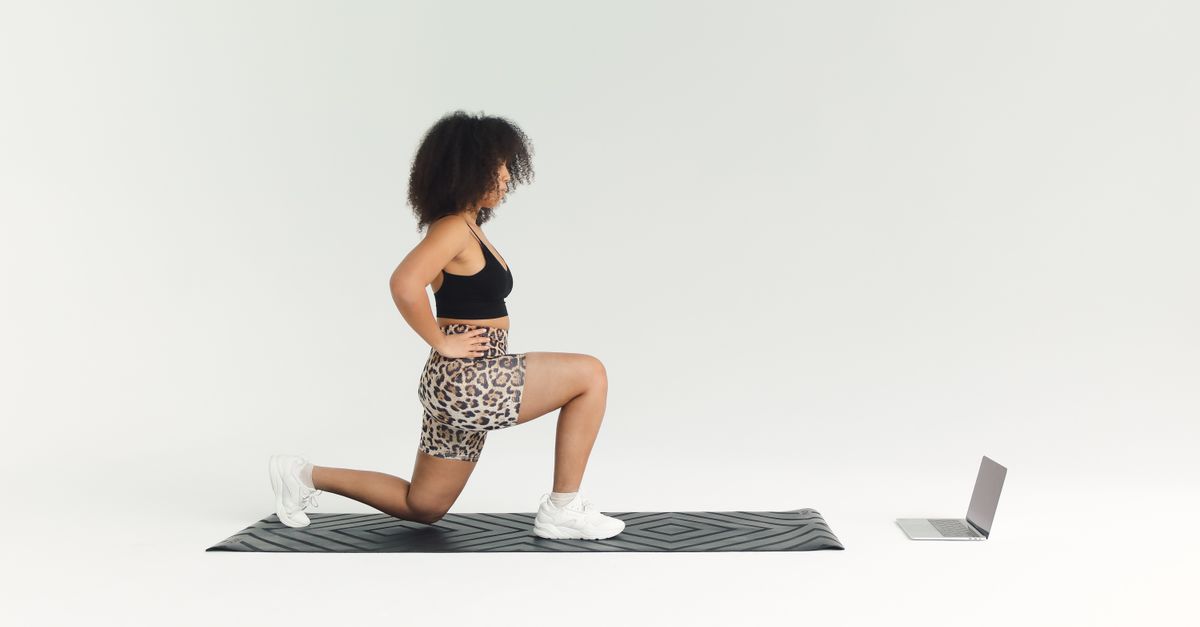
You don’t need to spend two hours in the gym to get the metabolic benefits of exercise. In fact, short bursts of high-intensity interval training (HIIT) have been shown to increase GLP-1 levels just as effectively as some medications.
One study found that just 15 minutes of HIIT (think: 30 seconds of sprinting followed by 60 seconds of walking) boosted GLP-1 production by up to 30%. I’ve replaced my long, boring runs with 20-minute HIIT sessions, and I’m honestly shocked at how much easier it is to maintain my weight.
Here’s the secret: movement doesn’t have to be miserable. Find something you enjoy — dancing, hiking, cycling, even vigorous yard work — and do it in short, intense bursts. Your body will thank you.
The Bottom Line: You Can Skip the Side Effects
Look, I’m not here to demonize Ozempic. For some people with type 2 diabetes, it’s a life-changing medication. But for the rest of us chasing weight loss? There are safer, smarter, and more sustainable ways to get the same results.
The five natural alternatives — protein/fiber focus, ACV before meals, gut microbiome support, quality sleep, and HIIT — aren’t quick fixes. They’re lifestyle shifts that build on each other. And unlike a prescription, they don’t come with a list of side effects that reads like a horror movie.
So, here’s my challenge: pick one of these strategies and try it for the next 30 days. Track how you feel, not just the number on the scale. My bet? You’ll be surprised at how powerful your own body is when you give it the right tools.
What’s the one natural change you’re willing to make today? Drop it in the comments — I read every single one.