I was ten years old, sitting cross-legged on a shaggy carpet that smelled faintly of dog and popcorn. My dad had just brought home a VHS copy of The Empire Strikes Back — the one with the yellow tape, not the black one. I remember the exact feeling: a warm, electric buzz in my chest, like I was about to discover something that would define me forever. Fast forward twenty-five years. I’m scrolling through Disney+, and I click on the same movie. The moment the Lucasfilm logo fades in, my brain does something strange. It doesn’t just remember the movie. It feels like I’m back on that shag carpet. I can almost smell the popcorn. My shoulders relax. My breathing slows.
That’s not sentimentality. That’s your brain literally rewriting the past.
Here’s what most people miss: nostalgia isn’t a simple trip down memory lane. It’s a complex neurological hack that your brain uses to regulate your emotions, reinforce your identity, and sometimes — let’s be honest — lie to you about how good things actually were. I’ve spent years digging into the science behind why a song from 2007 can make you cry, and I’ve found that the truth is weirder, and more beautiful, than you’d expect.

The Brain’s Time Machine: Your Hippocampus Is a Liar
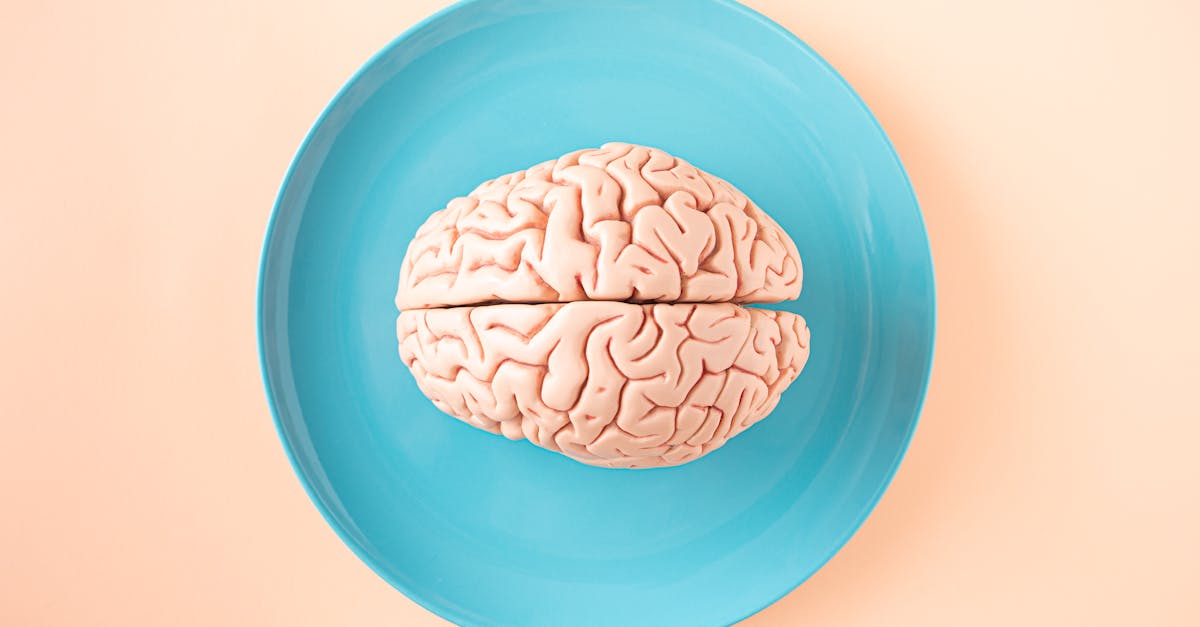
Let’s start with the hardware. When you experience a moment of nostalgia, your brain doesn’t just pull up a file labeled “Summer 2009” and play it back. Instead, it activates a network of regions that work together like a small film crew — and the director is a tiny seahorse-shaped structure called the hippocampus.
The hippocampus is responsible for encoding memories, but here’s the kicker: every time you retrieve a memory, your brain reconstructs it from scratch. It’s not a replay. It’s a rewrite. Think of it like this: you’re not watching a home video; you’re improvising a new scene based on the original script, and you’re adding your current emotional state as a filter.
This is why nostalgic memories feel so vivid but are often inaccurate. Your brain doesn’t care about perfect accuracy. It cares about emotional coherence. If remembering your first concert makes you feel alive, your brain will subtly edit out the part where you lost your friend for two hours and your feet hurt. Why? Because the goal of nostalgia isn’t to archive the past. The goal is to make you feel better right now.
I’ve found that this rewiring is especially powerful when you’re feeling lonely, stressed, or uncertain. Your brain literally reaches into the past, grabs a memory that made you feel safe or connected, and then smooths over the rough edges. It’s a survival mechanism. And it works — until you start wondering if things were really that good.
The Chemical Cocktail: Why You Cry at Movie Trailers
So what’s happening inside your skull during a nostalgic moment? Let’s talk chemistry. When your hippocampus and amygdala (the emotion center) fire together, they trigger a cascade of neurotransmitters that can feel like a drug. I’m not being poetic here.
- Dopamine — the reward chemical. Your brain rewards you for finding a memory that reinforces your sense of self. It’s why nostalgic experiences feel pleasurable, even when they’re bittersweet.
- Oxytocin — the bonding hormone. Nostalgia often involves social memories — family, friends, shared experiences. Oxytocin makes you feel connected, even if you’re alone in your apartment.
- Serotonin — the mood stabilizer. This is why a quick dose of nostalgia can pull you out of a funk. It literally regulates your emotional thermostat.

The Identity Paradox: You Are Who You Remember — Sort Of
Here’s where things get philosophical. Psychologists have known for decades that your sense of self is built on autobiographical memory. In other words, you are the story you tell yourself about your life. But if your brain is constantly rewriting that story — smoothing over the bad parts, amplifying the good ones — then who are you really?
I’ve found that nostalgia serves a crucial function here: it reinforces your identity continuity. When you feel disconnected from your current life — after a move, a job loss, a major life change — your brain uses nostalgia to remind you that you’re still the same person. You still love the same music. You still laugh at the same jokes. You still care about the same things.
But here’s the hidden danger: nostalgia can become a prison. If you rely too heavily on rewriting the past as “the good old days,” you can trap yourself in a loop. I’ve seen this happen with friends who spend more time reminiscing about college than engaging with their present. Their brains have optimized for nostalgic comfort, and they’ve lost the ability to find novelty and excitement in the now.
The trick is to use nostalgia as a fuel, not a destination. Let it remind you of who you are, but don’t let it convince you that the best version of you is in the rearview mirror.
Why Your Brain Prefers the 90s (Even If You Weren’t Born Yet)
You’ve probably noticed that nostalgia hits hardest for things from your adolescence and early adulthood — roughly ages 15 to 30. This is called the reminiscence bump, and it’s one of the most robust findings in memory research. Your brain prioritizes memories from this period because it’s when your identity was being formed. First love, first job, first time you felt like an adult.
But there’s a fascinating twist. Your brain can feel nostalgic for eras you never experienced. I’ve talked to Gen Z readers who feel a deep, almost painful nostalgia for the 1990s — a decade they never lived through. How does that work? It’s called vicarious nostalgia, and it happens when you absorb the emotional weight of a cultural era through media, stories, or family lore. Your brain treats these borrowed memories almost like real ones, triggering the same chemical cocktail.
This is why retro aesthetics are so powerful. A neon sign, a specific font, a grainy film filter — these visual cues can trick your hippocampus into feeling like you’re visiting a past that doesn’t belong to you. It’s a form of emotional hacking, and companies have gotten terrifyingly good at exploiting it.

How to Hack Your Nostalgia (Without Getting Stuck)
So what do you do with all this? You can’t stop your brain from rewriting the past — it’s literally wired that way. But you can learn to direct the rewrite. Here are three things I’ve found that actually work:
- Use nostalgia as a reset button, not a escape hatch. When you’re stressed, deliberately revisit a memory that made you feel capable, not just happy. The goal is to borrow strength from your past self, not to hide there.
- Share your nostalgia out loud. Describe the memory to someone else. This forces your brain to add details and context, which makes the memory more accurate — and more grounded. You’ll often realize that the past wasn’t as perfect as you thought, and that’s okay.
- Create new “future nostalgia” moments. Your brain treats novel experiences with emotional intensity. Go do something that you’ll look back on in ten years. Your future self will thank you.
The question is: what will you do with it?





