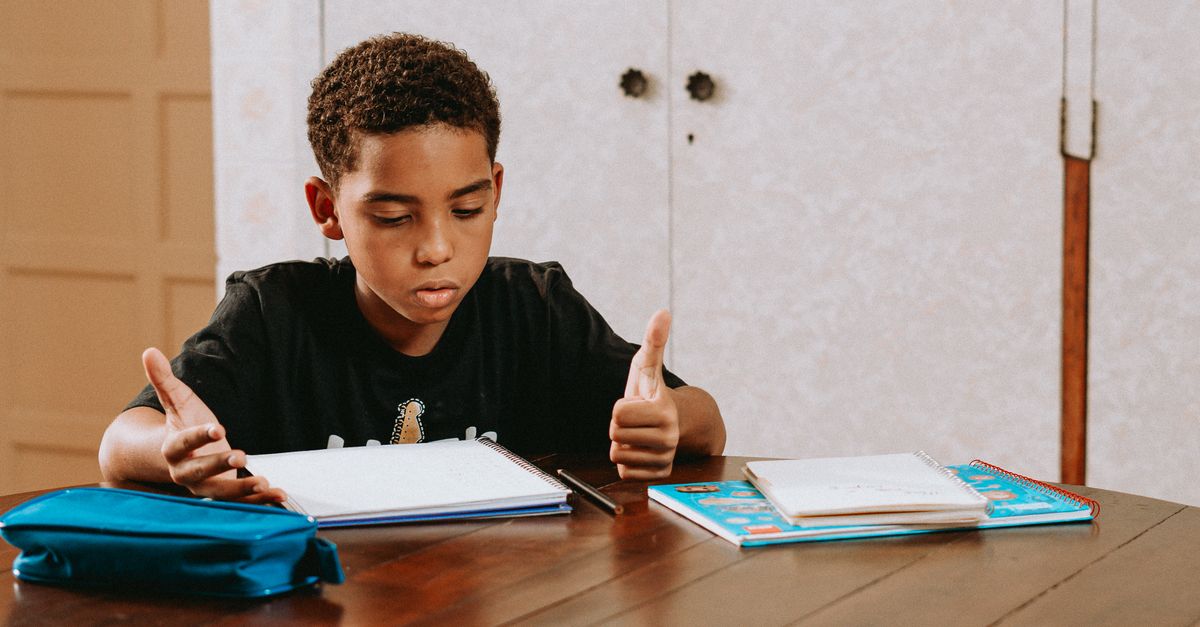
Let me tell you something that would've gotten me laughed out of my own fifth-grade classroom: some schools are now banning homework outright. Not reducing it. Not rethinking it. Banning it. And honestly? After watching my own kids slog through worksheets at 9 p.m. while I pretended to be helpful, I'm not entirely mad about it.
But before you start celebrating or panicking, let's dig into what's actually happening, why it's happening, and what it means for your family. Because this isn't just a trendy headline — it's a real shift in how we think about learning, and it's worth understanding before you pick a side at the next PTA meeting.
The Schools That Decided "Enough Is Enough"
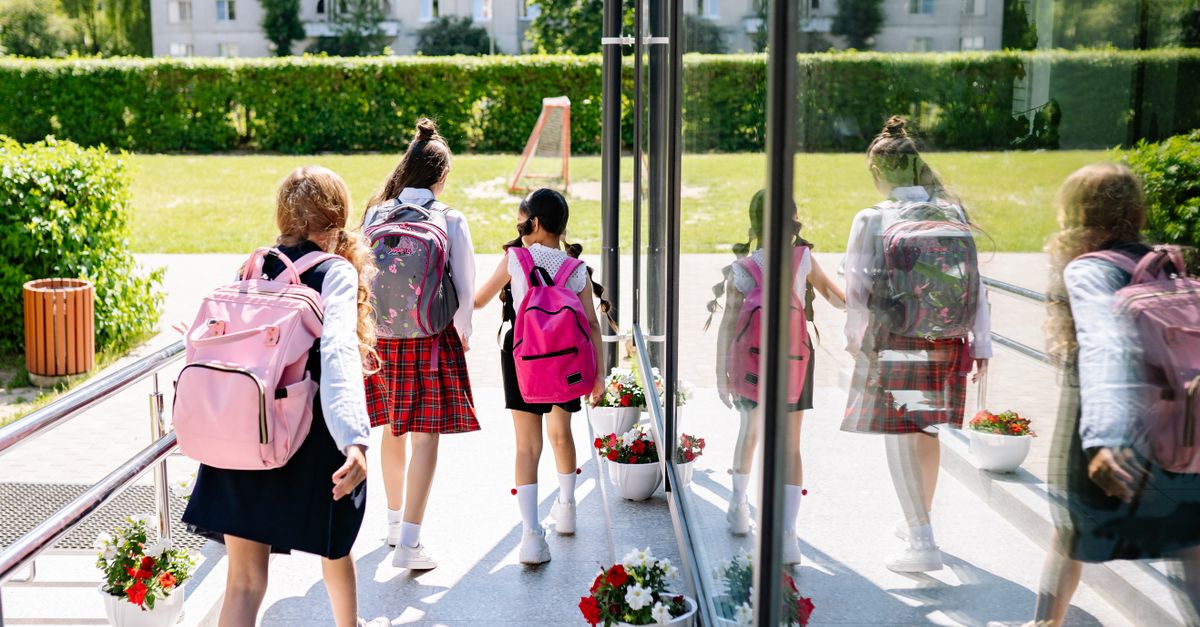
The no-homework movement isn't some fringe experiment anymore. Schools across the country — from elite private academies to regular public districts — have been cutting back or eliminating homework in elementary grades entirely. Some middle schools have followed suit. The reasoning goes something like this: young kids spend seven hours a day in class, then go home to more work, often with parents who are exhausted, confused by "new math," or working second shifts.
Here's what most people miss: the research on homework for elementary students has been shaky for decades. Studies keep showing that for younger kids, homework has almost zero correlation with academic achievement. Zero. Meanwhile, it's strongly correlated with stress, family conflict, and kids deciding they hate school before they've even hit middle school.
I've found that when parents hear "no homework," their first reaction is usually relief, followed immediately by guilt. Shouldn't they be practicing? Won't they fall behind? Those are fair questions. But the schools doing this aren't just removing work — they're replacing it with something they think is more valuable.
What Replaces the Worksheet Pile
This is the part that gets lost in the shouting matches. Most schools that ban homework aren't telling kids to go home and stare at the wall. They're pushing reading for pleasure, family time, unstructured play, and sometimes short, meaningful activities like cooking together or a quick conversation about the day.
One district I read about sends home a single question each night: "What did you learn today that surprised you?" That's it. No packets. No tears. No frantic Googling at 8 p.m. because your kid swears the teacher never explained long division.
Let's be honest — that sounds pretty great. But it also raises a real concern: what happens when kids hit high school and suddenly face a mountain of independent work? If they've never built the muscle for managing assignments at home, are we setting them up to crash?
That's the strongest argument against the ban, and it deserves a real answer rather than a dismissive wave.
The Case for Homework (Yes, It Still Exists)
Not everyone's on board with the ban, and their arguments aren't just nostalgia. Here's where the pro-homework crowd lands:
- Habit-building. Homework teaches time management, self-discipline, and how to work without someone hovering. Those skills matter in college and careers.
- Parental insight. For better or worse, homework lets you see what your kid is actually learning — or struggling with.
- Practice makes permanent. For subjects like math and languages, repetition genuinely helps.
- The high school cliff. If students never do independent work, the transition to rigorous coursework can be brutal.
So the smartest schools aren't banning homework everywhere — they're rethinking it by age. Less in elementary. More intentional in middle school. Real, meaningful work in high school.
What Parents Should Actually Do About It
If your school goes no-homework, don't just kick back and assume everything's handled. Here's what I'd do — and what I've done with my own kids:
- Ask what replaces it. "No homework" should mean a plan, not a vacuum. Reading challenges, family projects, or skill-building suggestions should come home instead.
- Keep reading alive. Twenty minutes a night of anything they enjoy beats a hundred worksheets. Comics count. Magazines count. That weird book about sharks counts.
- Watch for gaps. If your kid struggles with a subject, no-homework policies can hide it. Check in with teachers before report cards surprise you.
- Protect the free time. The whole point of the ban is giving kids their childhood back. Don't fill it with tutoring unless there's a real reason.
- Speak up either way. Whether you love the policy or hate it, your school needs to hear from parents. Silence gets you whatever the district decides on its own.
The Truth Nobody Wants to Admit
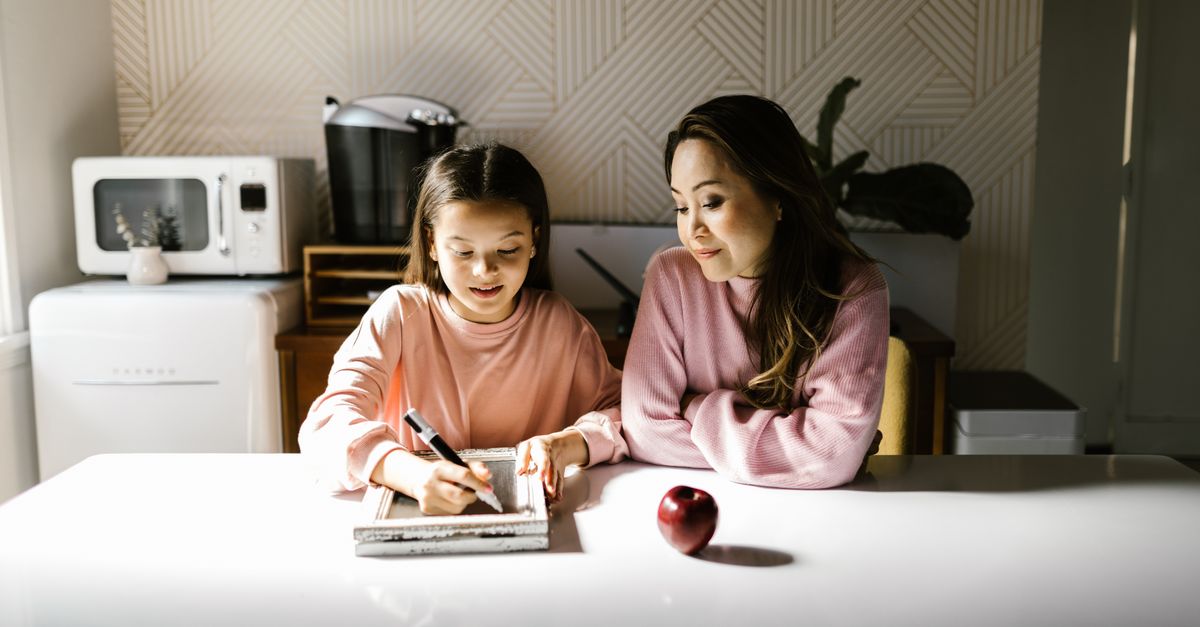
Here's the uncomfortable part: the homework debate isn't really about homework. It's about what we believe childhood is for. Is it a training ground for a competitive future, where every hour should be optimized? Or is it a brief, irreplaceable window where kids learn through play, boredom, and wandering around the backyard?
I've found that most parents want a little of both — and that's fine. The schools getting this right aren't the ones banning or doubling homework. They're the ones asking, "What is this assignment actually teaching, and is it worth the cost?"
Because let's be honest: a worksheet that takes two hours and ends in tears isn't teaching math. It's teaching your kid that learning is a chore. And no school district, no matter how many packets it sends home, should be in the business of that.
So the next time someone tells you homework is essential or that banning it will ruin a generation, ask them one question: What's the evidence, and what's it costing our kids? The answer might surprise you — and it might just change how you show up at the next school board meeting.





