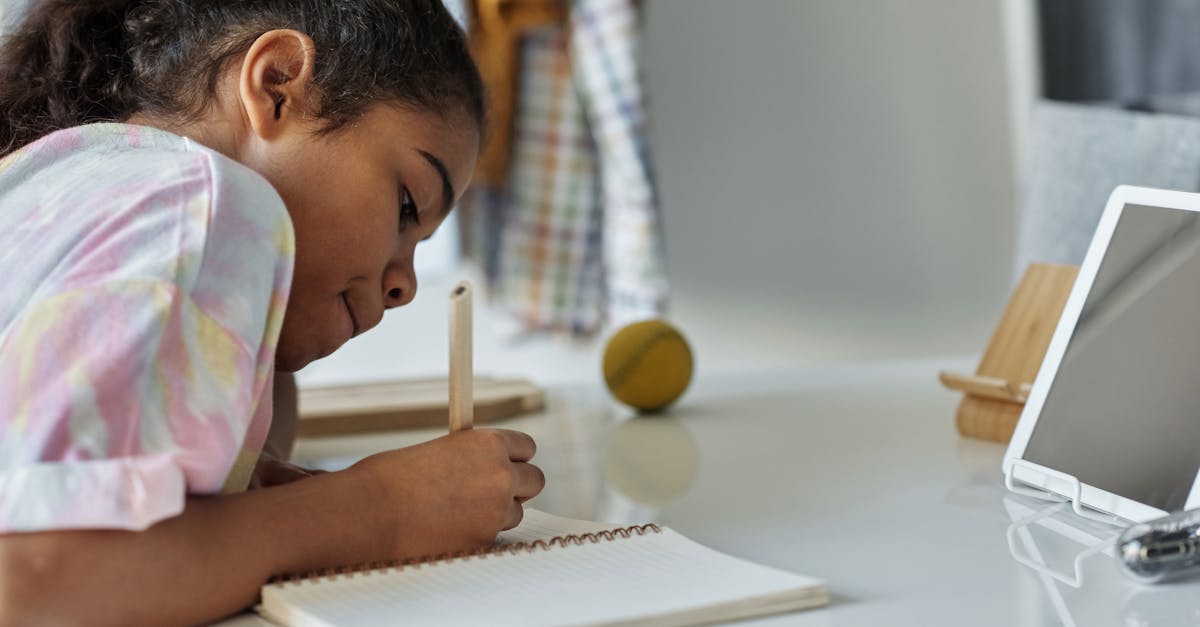
My daughter came home last Tuesday with a math worksheet, a reading log, and a science project outline. She's nine. By 8:30 p.m., she was slumped over the kitchen table, erasing a fraction problem for the fourth time while I hovered nearby, wondering whether I was supposed to help or supervise or just walk away and let the chips fall.
That nightly scene — repeated in millions of homes — is exactly why the homework debate never really dies. And it's why I got genuinely excited when a fresh batch of research landed on my desk this year. Because the science is finally getting specific enough to be useful, and some of what it says will probably surprise you.

The 10-Minute Rule Is Less of a Rule Than You Think
You've heard the old guideline: ten minutes of homework per grade level. First grader gets ten minutes, fifth grader gets fifty, and so on. It's tidy. It's memorable. And according to recent analyses, it's also mostly folklore.
Researchers who've crunched the data on homework's effects keep landing in the same uncomfortable place: the correlation between homework and achievement is strong in high school, weak in middle school, and basically nonexistent in elementary school. Let me say that again in plainer terms. For young kids, the academic payoff of homework is close to zero.
So why does it still come home in backpacks every afternoon? Here's what most people miss: homework in elementary school isn't really about academics. It's about building habits — sitting down, following through, managing a task. Those are real skills. But there's a catch. If the habit-building comes wrapped in two hours of frustration, you're not teaching discipline. You're teaching a kid to hate the whole enterprise.
I've found that the parents who get this right treat early homework as practice for routines, not a performance review. They keep it short, they don't hover, and they let the teacher own the feedback loop.
What the New Research Actually Says Helps
Okay, so if "more homework" isn't the answer, what is? The recent work points in a few directions that feel refreshingly concrete.
First, retrieval practice beats review. Studies keep showing that students learn more from being asked to recall information — quiz themselves, explain a concept out loud, write down what they remember — than from re-reading or highlighting. A worksheet that asks kids to pull knowledge out of their heads does more than one that asks them to copy it back.
Second, spacing matters more than volume. Ten minutes of practice spread across four nights beats forty minutes crammed into one. This is the spacing effect, and it's one of the most robust findings in learning science. It also means a nightly 15-minute routine can outperform a weekend marathon.
Third, feedback is the whole ballgame. Homework without timely feedback is basically busywork. The research on this is brutal in its consistency: if a teacher collects it, marks it, and hands it back three weeks later, the learning value collapses. The gold standard is quick, specific, actionable feedback — even just a sentence.
Fourth, autonomy helps. When students get some choice in how they demonstrate learning, engagement climbs. That might mean picking which problems to solve, or choosing between a written response and a short presentation. Small levers, real effects.

The Parent Trap (I've Fallen Into It Myself)
Let's be honest. A lot of the homework debate isn't really about homework. It's about us.
I've caught myself editing my kid's sentences, nudging her toward the "right" answer, and basically doing the assignment with her hand on the pencil. That's not helping. That's a slow-motion lesson in helplessness. The research on parental involvement is clear that support works best when it's about structure and encouragement, not correction and control. Ask "what's your plan for this?" instead of "here, let me fix that."
Here's a quick checklist I now use when the evening homework hour starts to go sideways:
- Set a timer. Short, focused bursts beat open-ended slogs.
- Let them struggle a little. Productive struggle is where learning happens — rescuing too fast robs them of it.
- Stop at the frustration point. If it's devolving into tears, close the folder and write the teacher a note. That's data, not failure.
- Protect sleep. Sleep is the single best study aid ever invented, and homework that eats into it is a net loss.
When Homework Actually Earns Its Place
None of this means homework is worthless. It means homework has a job description, and we should hold it to it.
In high school, the evidence for homework's academic value is genuinely strong — especially in math and subjects that reward repetition and retrieval. In middle school, it's a mixed bag that depends heavily on quality and load. In elementary school, the case is thin, and the best use of it is short, joyful, and habit-forming: twenty minutes of reading, a couple of math problems, maybe a conversation about what they learned.
The real question isn't "how much homework?" It's "what is this homework for?" If a teacher can't answer that in one sentence, the assignment probably shouldn't go home.
The Question I'd Ask Your Kid's Teacher This Year
The homework debate has been recycled so many times that it's easy to tune out. But the new research gives us something better than another round of arguing about minutes. It gives us a lens.
So here's my challenge to you. At your next parent-teacher conference, skip the vague "how's my kid doing?" and ask this instead: "What's the purpose of the homework you assign, and how do you give feedback on it?"
Watch what happens. The answer will tell you more about your child's classroom than any test score ever could. And if the answer is "it's just what we've always done," well — now you know. That's not a policy. That's a habit. And habits, as any nine-year-old erasing a fraction problem at 8:30 p.m. can tell you, are worth questioning.