
Let’s be honest: we’ve been lied to about what’s really happening inside our bodies. You think your bloating, brain fog, and mood swings are just “stress” or “getting older”? I hate to break it to you, but the culprit might be something far more sinister — and it’s sitting in your takeout container, your water bottle, and even the air you breathe.
I’m talking about microplastics. Not the big, visible straws or bags — those are just the tip of the iceberg. The real crisis is the invisible army of tiny plastic particles that have infiltrated your gut, your bloodstream, and yes — your brain. And the science is starting to scream what I’ve suspected for years: we’re not just polluting the planet; we’re polluting ourselves from the inside out.
Here’s the kicker: most health advice out there focuses on sugar, carbs, or exercise. But what if the real reason your digestion is a mess and your focus is shot is because you’re literally eating plastic? Let’s dive into the hidden health crisis that nobody’s talking about — but everyone should be.
Your Gut is Not a Garbage Disposal
You’ve probably heard the term “leaky gut” thrown around by wellness influencers. But here’s what most people miss: microplastics are a primary driver of intestinal inflammation. And I’ve seen this play out in real life — friends who can’t figure out why they’re suddenly reacting to foods they’ve eaten for years.
When microplastics enter your digestive system, they don’t just pass through harmlessly. Studies show these particles can accumulate in the gut lining, triggering an immune response. Your body sees them as foreign invaders — and it attacks. The result? Chronic inflammation, altered gut microbiota, and a compromised intestinal barrier.
I’ve found that people who switch to glass or stainless steel containers often report less bloating and better digestion within weeks. Coincidence? I don’t think so. Your gut is a delicate ecosystem, not a trash bin. Treat it accordingly.
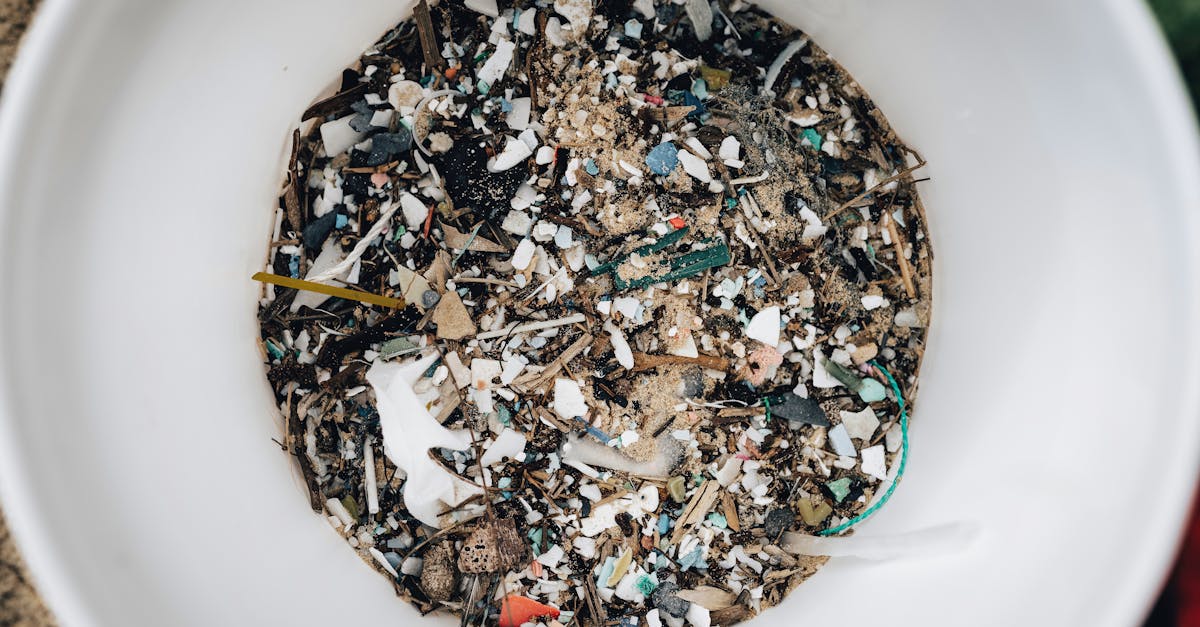
The Plastic-Fog: How Microplastics Hijack Your Brain
This is where it gets scary. You know that feeling when you walk into a room and forget why? Or when your thoughts feel like they’re wading through molasses? I used to blame it on lack of sleep or too much screen time. But emerging research suggests microplastics can cross the blood-brain barrier.
Let that sink in. Your brain has a fortress designed to keep toxins out. Microplastics are breaking through.
Once inside, these particles don’t just sit there — they disrupt neurotransmitter function and trigger neuroinflammation. We’re talking about potential links to anxiety, depression, and even cognitive decline. The same plastic that’s choking our oceans is now choking your neurons.
I remember reading a study where researchers found plastic particles in human brain tissue — and I literally had to put my phone down. We’ve been so focused on what we eat that we forgot to ask: what’s eating us?
3 Ways Microplastics Sneak Into Your Body (And You’re Doing Them Right Now)
If you think you’re safe because you don’t microwave plastic, think again. Here are the top three ways microplastics are making a home in your body:
- Drinking from plastic bottles — Every time you take a sip, you’re ingesting thousands of particles. One study found that a single liter of bottled water can contain over 240,000 plastic fragments. Tap water isn’t perfect, but it’s often cleaner in this regard.
- Heating food in plastic containers — Even “microwave-safe” plastic can leach microplastics when heated. The heat breaks down the polymer structure, and those particles end up in your meal. I stopped doing this years ago, and it’s one of the best health decisions I’ve made.
- Dust and air — Yes, you’re breathing plastic. Household dust is loaded with microfibers from carpets, clothing, and furniture. Every breath you take indoors might be delivering a dose of plastic to your lungs and then to your gut.

The Gut-Brain Plastic Connection Nobody Talks About
Here’s where the story gets personal. I’ve struggled with brain fog and digestive issues for years. I tried probiotics, elimination diets, meditation — everything. Nothing clicked until I started looking at environmental toxins as a root cause.
The gut and brain are connected through the vagus nerve, the microbiome, and inflammatory pathways. When microplastics damage your gut lining and alter your gut bacteria, that signal travels straight to your brain. It’s not just in your head — it’s in your gut.
Research from 2023 showed that microplastic exposure in mice led to anxiety-like behaviors and changes in the gut microbiome. We’re not mice, but the parallels are hard to ignore. If your mood is tanking and your digestion is suffering, microplastics might be the silent saboteur.
I’ve found that reducing plastic exposure, combined with gut-healing foods like bone broth and fermented vegetables, has made a noticeable difference in my mental clarity. It’s not a magic bullet — but it’s a missing piece of the puzzle.
What You Can Actually Do (Beyond Panicking)
Look, I’m not here to scare you into living in a bubble. We live in a plastic world, and some exposure is unavoidable. But you can take meaningful steps to reduce your load:
- Switch to glass or stainless steel for food storage and drinking. Yes, they’re heavier. Yes, they’re worth it.
- Avoid plastic cutting boards — they shed microplastics into your food with every chop. Wood or bamboo is better.
- Filter your tap water with a good carbon filter. It won’t remove everything, but it helps.
- Vacuum and dust regularly with a HEPA filter. Your lungs will thank you.
- Eat fresh, whole foods — processed foods are often packaged and processed in plastic, increasing contamination.

The Bottom Line: Your Body Is Not a Recycling Bin
I started this blog because I got tired of the same recycled health advice. Eat your veggies. Exercise more. Drink water. But nobody was talking about the plastic in the water. Nobody was connecting the dots between our convenience culture and our chronic health issues.
Microplastics are not just an environmental problem — they are a personal health crisis waiting to explode. And the science is clear: they’re affecting your gut, your brain, and everything in between.
So here’s my challenge to you: for one week, pay attention to every piece of plastic that touches your food or drink. Notice how often you use it. Then ask yourself: is this convenience worth the cost?
Your gut and brain have been fighting a silent war. It’s time to stop being the enemy within.