Let me tell you something that should make you angry: you're probably paying for a vacation home you'll never visit, a boat you'll never sail, and a steak dinner you'll never eat. Every single year. And you have no idea it's happening.
I'm talking about the silent leak in your retirement account. The fees you never see on a statement, never get a phone call about, and almost never question. They just quietly shave off a little of your future every month, and by the time you're ready to retire, they've walked away with a slice of your nest egg that could've been a down payment on a house.
Here's what most people miss: it's not the fees that are obvious that hurt you. It's the ones buried three layers deep in a fund prospectus nobody reads.
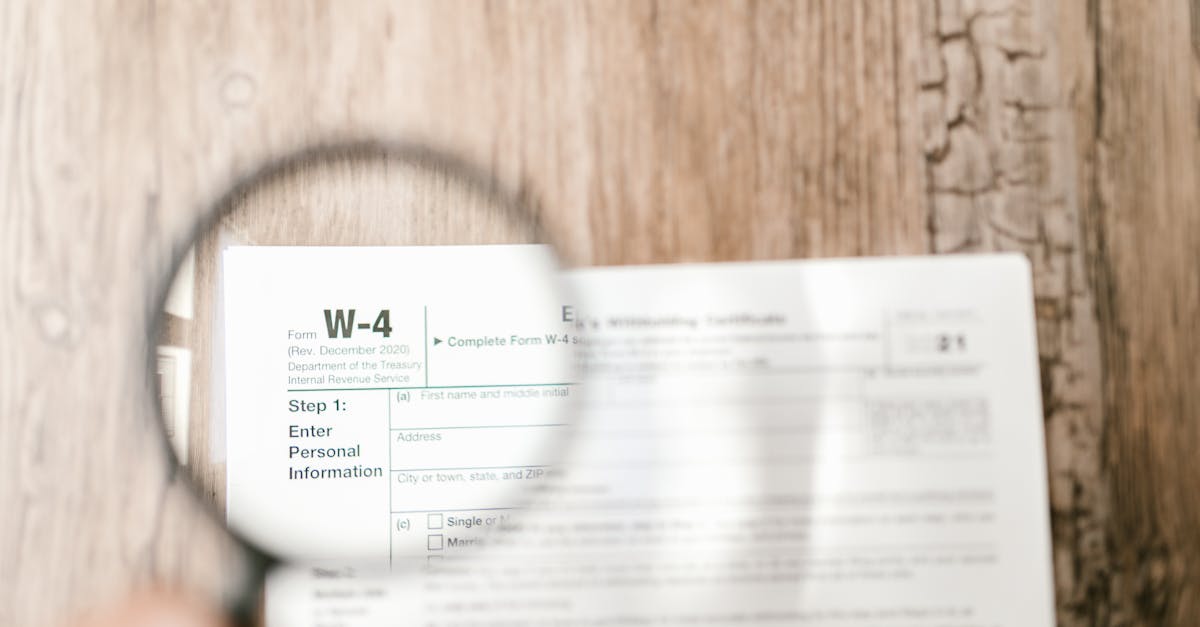
The 401(k) Fee You Signed Up For Without Knowing
When you started your job, HR handed you a thick envelope, you picked a target-date fund from a list, and you moved on with your life. Sound familiar? I've been there. But that fund you picked? It comes with an expense ratio — a yearly percentage skimmed right off the top of your balance, whether the fund makes money or not.
Now, 1% doesn't sound like much. Let's be honest — it sounds like nothing. But here's the math that changed how I think about this forever: on a $200,000 balance, 1% is $2,000 a year. Over 30 years of retirement, with compounding working against you instead of for you, that "tiny" fee can devour hundreds of thousands of dollars of potential growth.
And that's just the fund fee. Your plan also has administrative fees — record-keeping, legal, advisory costs — often baked into the fund expense ratio so you never see them as a line item. The Department of Labor requires plans to disclose these, but let me ask you: have you ever actually read your plan's fee disclosure? Exactly.
The 12b-1 Fee: Wall Street's Favorite Junk Fee
This one deserves its own spotlight because it's so sneaky. A 12b-1 fee is a marketing and distribution charge — you're paying the fund company to advertise itself to other people. Read that again. You're footing the bill for their commercials.
They typically run 0.25% to 1% annually and hide inside mutual fund expense ratios. Index funds and ETFs usually skip them entirely. So if you're holding an actively managed fund with a 12b-1 fee while a plain vanilla index fund offers similar exposure for a fraction of the cost, you're essentially tipping the middleman for the privilege of losing money slower.
I've found that most people in their 20s and 30s — the folks with the most to gain from fixing this — are the least likely to check. We're too busy. We assume the system is looking out for us. It isn't.

The Advisory Fee That Eats Your Returns Alive
If you work with a financial advisor, ask the question that makes some of them squirm: "Are you fee-only, and what exactly am I paying you?"
A typical advisory fee runs around 1% of assets under management. Stack that on top of fund fees and administrative costs, and suddenly your total retirement account fees can approach 2% annually. On a $500,000 portfolio, that's $10,000 a year — gone. Not because the market tanked. Just because you showed up.
Here's the uncomfortable truth: a 1% advisory fee doesn't sound predatory until you realize it can consume roughly a quarter of your lifetime investment returns over several decades. Your advisor might be worth it — genuinely, some are — but you deserve to know the number and decide for yourself.
Three Moves That Stop the Bleeding
Let's get practical. Here's your action plan, and none of it requires a finance degree.
- Hunt down your expense ratios. Log into your 401(k) or brokerage, find each fund's expense ratio, and write it down. Anything above 0.50% for a plain index fund deserves a hard look. The cheapest broad index funds sit under 0.10%.
- Ask HR for the plan's fee disclosure document. It's your legal right, and it will show administrative costs. If your plan's fees are high, that's leverage to push for a cheaper provider — you're not the only employee who'd benefit.
- Audit your advisor, not just your funds. Ask for the fee in dollars, not percentages. Percentages are designed to feel small. Dollars are honest.

Why This Is the Easiest Money You'll Ever Make
Think about it this way. You can't control the market. You can't control inflation or interest rates. But you can absolutely control what you pay to invest. Cutting your total fees from 2% to 0.5% is one of the highest-return, lowest-effort moves available to any investor — and it's sitting right there in your account, waiting for you to look.
Let me be direct: the financial industry profits from your inattention. Every fee you don't notice is revenue they book. That's not a conspiracy theory — it's just how the business works. The antidote isn't cynicism, it's curiosity. Spend one evening this week with your statements. Find the hidden fees draining your retirement account. Then do the gloriously satisfying thing and cancel them.
Your future self — the one on the beach, or in the garden, or finally writing that novel — will thank you. But only if you take thirty minutes to look today.
So here's my challenge: open your retirement account right now. Not tomorrow. Now. Find one fee. Just one. Then come back and tell me what you found — because I promise you, it's there.