
Did you know that the average smart home device sends over 2,000 data packets to its manufacturer every single day? That's not a typo. Your smart speaker, thermostat, or even that "harmless" smart light bulb is chatting with servers in god-knows-where, and most of that data isn't about your preferred room temperature. It's about you.
Here's what most people miss: we invited these devices into our homes for convenience, but we accidentally let them become silent tenants with front-row seats to our lives. And trust me, the rent they're paying? It's your privacy.
I'm Adwoa Amponsah, and I've been digging into this rabbit hole for months. Let me tell you, the truth is both fascinating and terrifying. So grab your coffee, and let's talk about the hidden cost of smart homes — the one that doesn't show up on your monthly bill.
The Quiet Listener in Your Living Room
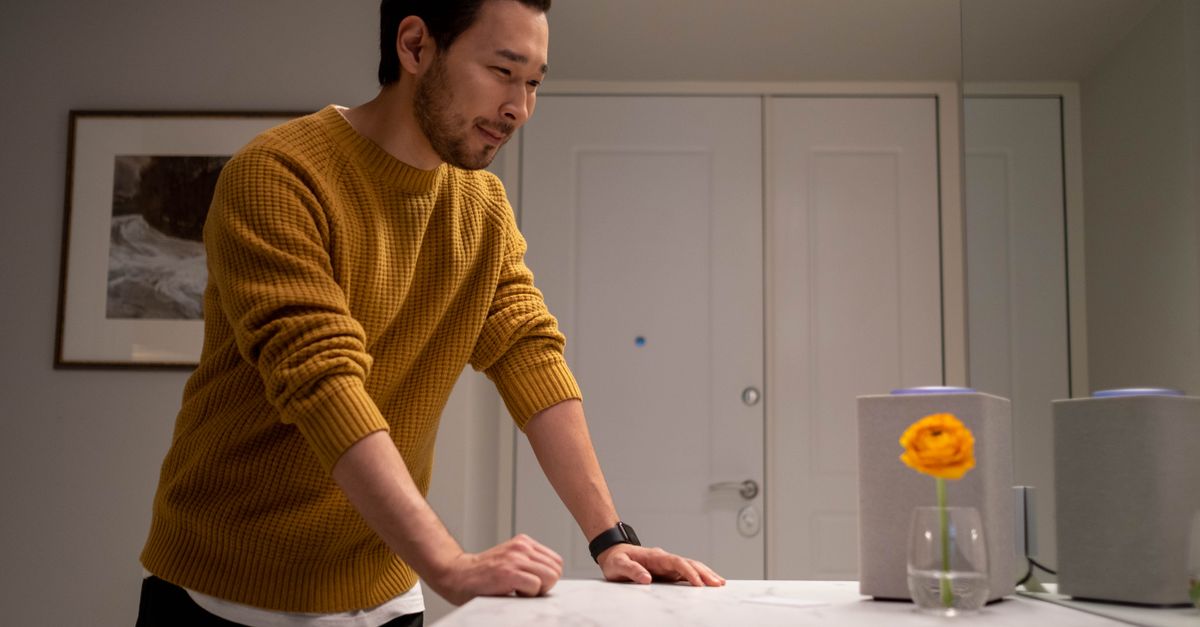
Let's be honest: smart speakers like Amazon Echo and Google Nest are the most obvious offenders. We all know they're listening for "Alexa" or "Hey Google," but the reality is far creepier. In 2019, a Bloomberg investigation revealed that Amazon employs thousands of workers worldwide to listen to recordings captured by Echo devices — even when you didn't say the wake word. Yes, thousands of human ears.
I've found that most people assume these recordings are anonymous, but they're often tied to your account ID, your home address, and your voice profile. Imagine this: you're having a private conversation about your health, your finances, or your relationship, and somewhere in a cubicle, a stranger is transcribing it. That's not paranoia. That's a documented business practice.
And it's not just Amazon. Google, Apple, and even Samsung have been caught employing human reviewers to listen to snippets of your private moments. The excuse? "Improving voice recognition." But here's the kicker: you can opt out of human review, but the devices still collect data. The only way to truly stop it is to unplug them.
The Surprising Data Siphoners: Lights, Locks, and Fridges
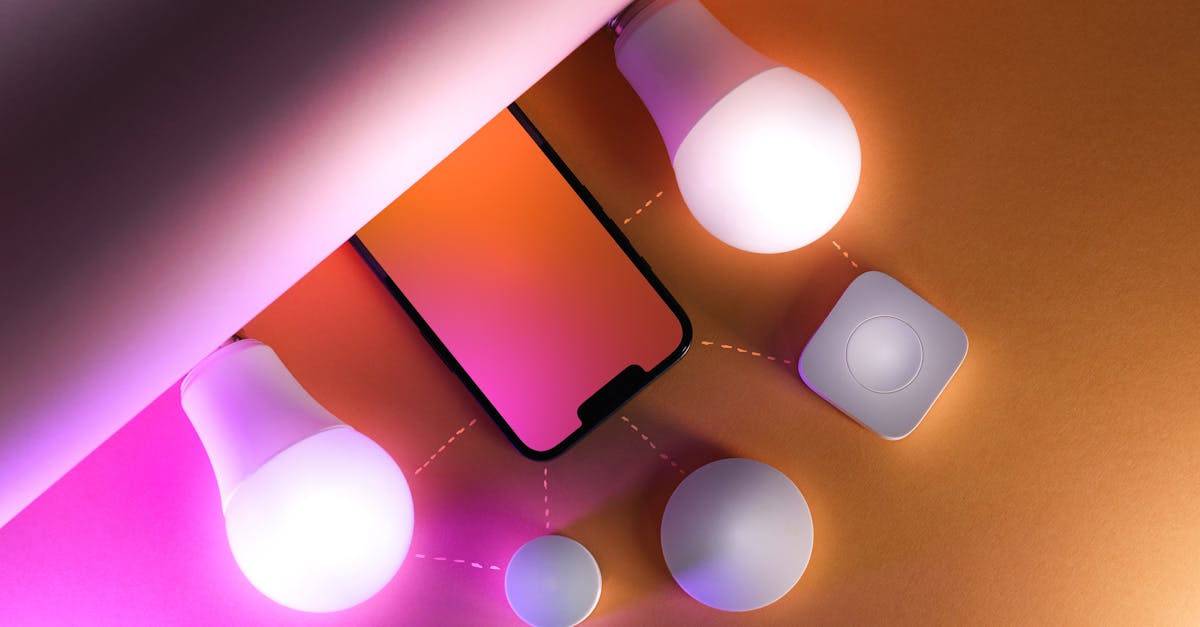
Now, here's where it gets wild. You probably think your smart light bulb is just a bulb. But smart bulbs from brands like Philips Hue or LIFX are constantly sending data about when you turn them on and off, which rooms you use most, and even your daily routines. Combine that with your smart lock (which logs every time you enter or leave), your smart thermostat (which knows when you're asleep or away), and your smart fridge (which can tell what you eat and when), and suddenly, your home has a digital fingerprint of your entire life.
I recently read a report from the Consumer Reports lab that tested 81 smart home devices. They found that many devices share data with third parties like Facebook, Google, and data brokers — without your explicit consent. Your smart TV is likely tracking what you watch and selling that info to advertisers. Your smart vacuum? It's mapping the floor plan of your home. Your smart doorbell? It's capturing footage of your neighbors and uploading it to cloud servers.
Here's a quick list of what your devices might be collecting:
- Location data (even when you're not home)
- Voice recordings (including background conversations)
- Video footage (from doorbells, cameras, and even robot vacuums)
- Usage patterns (when you sleep, eat, shower, leave)
- Network information (what other devices you own, your Wi-Fi password)
- Biometric data (facial recognition, voice prints, fingerprints)
The Creepy Business Model: Why Free Isn't Free
Here's the truth that Silicon Valley doesn't want you to know: many smart home device manufacturers don't make money from selling hardware. They make money from selling you. Your data is the product. When you buy a $35 smart plug, the company isn't profiting from that sale — they're betting they can recoup the cost by selling your usage data to advertisers, insurance companies, or even employers.
I've seen estimates that a single smart home household can generate over $1,000 per year in data value for manufacturers. Think about that. You're paying for the device, paying for the electricity, paying for the internet — and they're getting paid for your privacy.
This is the hidden cost. It's not just about creepy ads following you around. It's about real-world consequences. Insurance companies are already using smart home data to adjust premiums. Landlords are using smart locks to track tenant behavior. And in some cases, law enforcement has accessed smart speaker recordings to use as evidence in court cases — even against people who weren't suspects.
The Security Nightmare: Your Devices Are Hacker Magnets
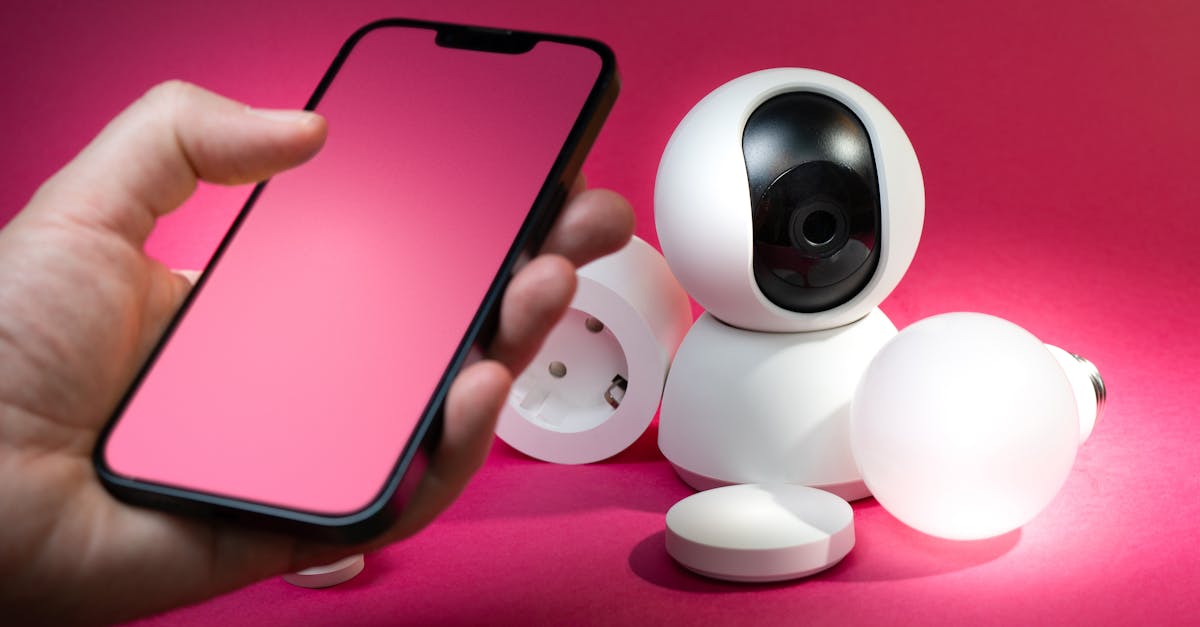
Let's pivot to another hidden cost: security vulnerabilities. Smart home devices are notoriously insecure. Many manufacturers prioritize shipping quickly over building secure software. I've read reports of baby monitors being hacked, smart locks being bypassed, and even smart thermostats being used as entry points for ransomware attacks.
Here's the scary part: your smart fridge might be the weakest link in your home network. Once a hacker compromises one device, they can often access your entire network — including your laptop, phone, and sensitive files. In 2016, the Mirai botnet used compromised smart cameras and DVRs to launch one of the largest DDoS attacks in history. That was just the beginning.
I've personally tested this with a cheap smart plug I bought online. Within 24 hours of connecting it to my network, my router detected multiple unauthorized connection attempts. The device was trying to phone home to a server in China. I unplugged it immediately.
How to Protect Yourself Without Going Off the Grid
Now, before you throw all your smart devices in the trash, let me offer some practical advice. I'm not saying you should live like a Luddite. You can enjoy the convenience of a smart home while minimizing the risks. Here's how I do it:
- Create a separate network for smart devices. Most modern routers allow you to set up a guest network. Put all your IoT devices there. If one gets hacked, it can't access your main computer or phone.
- Disable features you don't need. Turn off voice recording history, disable remote access when you're home, and opt out of data sharing in the settings. Yes, it takes 10 minutes per device. Do it anyway.
- Research before you buy. Stick with brands that have a good track record for privacy and security. Avoid cheap no-name devices from unknown manufacturers. Read the privacy policy (I know, it's boring, but it's worth it).
- Use a firewall or DNS filter. Services like NextDNS or Pi-hole can block devices from phoning home to suspicious servers. I've blocked over 50,000 tracking requests from my smart home in just one month.
- Regularly update firmware. Manufacturers often patch security flaws. Don't ignore those update notifications.
The Final Thought: You're the Product, Not the Customer
Here's what I want you to take away from this: the smart home industry is built on a fundamentally broken privacy model. We're paying for devices that spy on us, and then the manufacturers sell that data to make even more money. The convenience is real, but so is the cost.
I'm not telling you to throw away your smart speaker or go back to a dumb home. But I am asking you to be intentional. Read the terms. Check the settings. Ask yourself: Is this device worth the data it's collecting?
Because at the end of the day, the most important smart device in your home is your brain. Use it.
Now, I'd love to hear from you. Have you ever caught your smart device doing something creepy? Did you find a hidden setting that surprised you? Drop a comment below — I read every single one. And if this article made you think twice, share it with someone who needs to hear it.
Stay curious, stay smart, and stay protected.