Forget therapy. Your next breakthrough in mental health might start with a spoonful of sauerkraut.
I know, it sounds like the kind of crunchy-granola advice you’d scroll past. But hear me out. We’ve been sold this idea that our brain is a majestic, isolated command center, floating above the messy reality of our bodies. We treat anxiety and depression as purely “brain chemistry” problems, solvable only with pills and talk. But what if a huge piece of the puzzle has been living in our gut this whole time, quietly calling the shots?
Let’s be honest, the gut-brain connection sounds a bit… flimsy. A “gut feeling” is just a metaphor, right? Except science is now screaming that it’s a literal, physical superhighway. Your gut microbiome—that teeming universe of trillions of bacteria, fungi, and viruses in your intestines—is in constant, direct conversation with your brain. And it’s not a polite chat; it’s a loud, demanding negotiation that shapes your mood, your stress levels, and even your worldview.
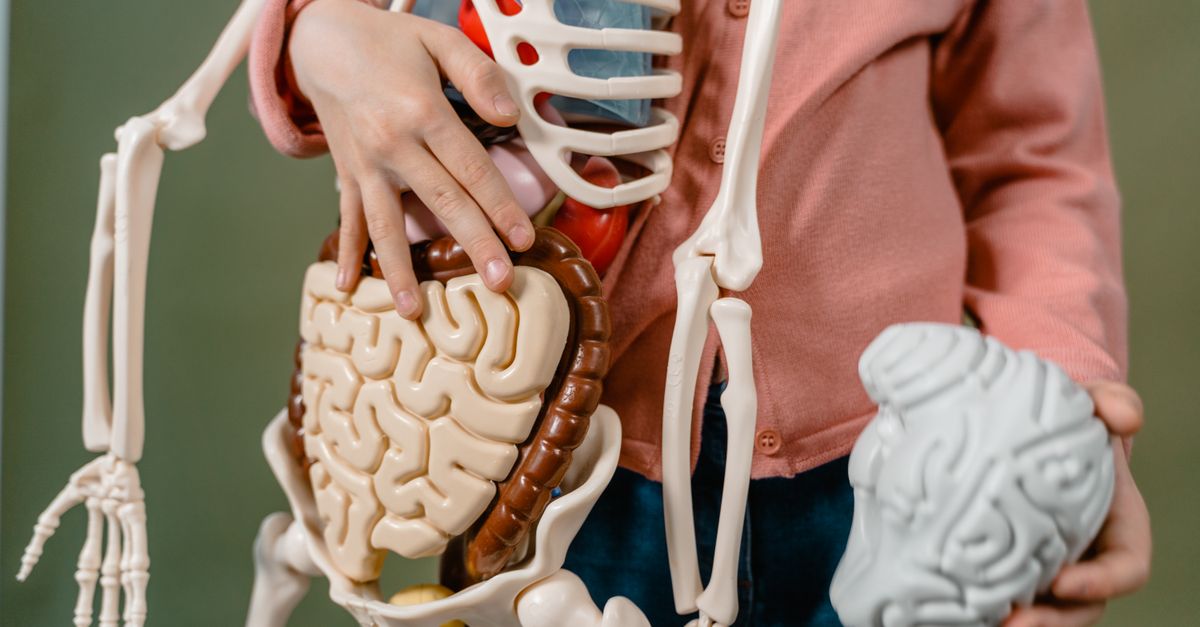
Your Second Brain Isn't a Metaphor
We literally have a second nervous system lining our guts, called the enteric nervous system. It contains over 100 million neurons. That’s more than in your spinal cord! This system is in a deep, intimate tango with your gut microbes. They produce a staggering array of neuroactive compounds—the very same chemicals we target with antidepressants.
Think about that for a second. The microbes in your colon are manufacturing serotonin, dopamine, and GABA. In fact, an estimated 90% of your body’s serotonin, the famed “feel-good” neurotransmitter, is produced in the gut, not the brain. Your microbes are quite literally brewing the raw materials of your mood. If your microbial workforce is out of balance (a state called dysbiosis), what happens to that production line?
The 5 Shocking Ways Your Gut Bugs Run the Show
So how does this microscopic world translate to your Monday morning anxiety or your general sense of well-being? It’s not magic. It’s biology. And it’s happening in these five concrete ways.
1. They Control the Inflammation Fire.
Here’s what most people miss: chronic, low-grade inflammation is a major player in depression. When your gut lining gets irritated (from a poor diet, stress, or antibiotics), it can become “leaky.” Bad bacteria and inflammatory molecules slip into your bloodstream. This triggers a systemic alarm. Your brain detects this inflammation and, as a defense, often downshifts into symptoms we recognize as depression and anxiety—lethargy, social withdrawal, and foggy thinking. A healthy microbiome keeps that gut lining sealed and calm, dousing the flames before they reach your brain.
2. They’re the Puppet Masters of Your Stress Response.
Ever had “butterflies” in your stomach before a big presentation? That’s the gut-brain axis in real-time. The primary communication cable is the vagus nerve. This nerve is a two-way street. Stress signals from the brain can upset your gut (hence the butterflies). But signals from the gut can also dramatically alter your brain’s perception of stress. Certain beneficial strains of bacteria, like Lactobacillus and Bifidobacterium, have been shown in studies to lower cortisol levels and modulate the brain’s emotional centers. They’re like little zen masters in your intestines, sending “chill out” signals up the vagus nerve.
3. They Directly Produce (or Block) Your Brain’s Chemicals.
As I mentioned, your gut bugs are tiny pharmaceutical factories. But it’s not just about production; it’s about access. Some microbes produce molecules like short-chain fatty acids (SCFAs) as they digest fiber. These SCFAs do incredible things: they strengthen the blood-brain barrier (your brain’s security system), reduce neuroinflammation, and even promote the growth of new brain cells. Other less-friendly microbes can produce toxins that interfere with these processes. It’s a constant power struggle, and the winning side dictates the chemical environment your brain lives in.

4. They Influence Your Social Brain.
This one blows my mind. Preliminary research, mostly in animals but with compelling human correlations, suggests your microbiome might influence your social behavior. Mice raised without any gut microbes are profoundly antisocial. When they receive a transplant from a normal mouse, their behavior changes. In humans, studies have found distinct differences in the microbiomes of those with autism spectrum disorder and social anxiety. The theory is that microbial byproducts can influence brain regions like the prefrontal cortex, which governs complex social behavior. Your willingness to engage with the world might be partially microbially-mediated.
5. They Hijack Your Cravings (It’s Not Your Fault!).
That intense, can’t-think-of-anything-else craving for sugar or junk food? It might not be your lack of willpower. It might be a microbial mutiny. Certain sugar-loving, inflammatory bacteria thrive on a poor diet. To ensure their own survival, they can actually manipulate your gut-brain signaling to make you crave the very foods that feed them. They’re essentially holding your brain hostage for a sugar fix. Breaking that cycle is key to regaining control.
So, What Do You Actually DO About It?
This isn’t meant to overwhelm you. It’s meant to empower you. You are not a passive victim of your brain chemistry. You are a gardener.
You can cultivate a microbiome that supports mental resilience. It doesn’t happen overnight, but the levers are surprisingly simple: Feed the Good Guys: Their favorite food is fiber. Think diverse plants—vegetables, fruits, legumes, nuts, seeds, whole grains. Every color provides different phytonutrients. Aim for 30 different plants a week. Ferment Your Diet: Incorporate probiotic-rich foods like yogurt, kefir, sauerkraut, kimchi, and kombucha. You’re adding beneficial soldiers directly to the front lines. Starve the Bad Guys: This is about reduction, not perfection. Dramatically cutting back on ultra-processed foods, refined sugars, and artificial sweeteners starves the inflammatory microbes that work against you. Remember, Stress is a Gut Punch: Chronic stress is a direct toxin to your beneficial microbes. Mindfulness, walking, adequate sleep—these aren’t just “self-care.” They’re essential microbiome care.

The most profound shift is in your perspective. That knot in your stomach when you’re anxious isn’t just a symptom; it’s part of the conversation. Nourishing your gut isn’t just for digestion; it’s a direct deposit into your mental health bank account.
We’ve been looking for the key to mental wellness in the wrong place. It’s not just in our heads. It’s in our guts. And that means the path to feeling better is more tangible, and more actionable, than we ever imagined. What’s on your plate today isn’t just lunch. It’s information for your brain. What message are you sending?





