The Gut-Brain Axis Unveiled: How Your Microbiome Dictates Your Mood
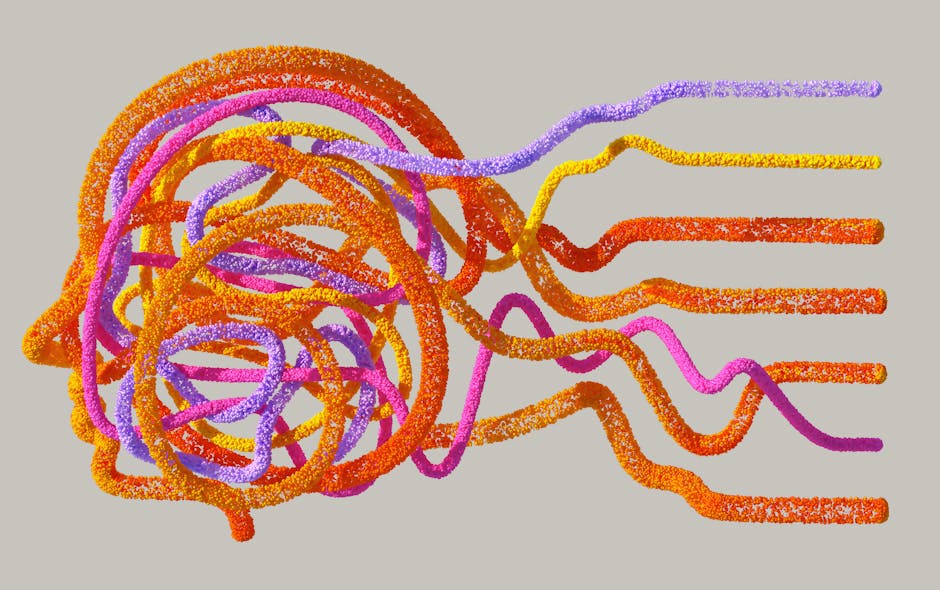
Ah, the gut-brain axis — a fascinating, intricate system that connects our gut and brain in ways we're just beginning to understand. Did you know that your gut is often referred to as your "second brain"? It's true! And the influence it has on your mood, emotions, and mental health is nothing short of mind-blowing. Let's dive into this captivating relationship between your gut microbiome and your state of mind.
Gut Instincts: The Microbiome and Mood Connection
Ever experienced "butterflies in your stomach" before a nerve-wracking event? That's your gut-brain axis at play. Your gut is home to trillions of bacteria, fungi, and other microorganisms collectively known as your microbiome. These tiny inhabitants play a crucial role in not just your digestion, but also your mental well-being.

Research suggests that the gut microbiome communicates with the brain through various pathways, influencing everything from neurotransmitter production to immune responses. When your gut flora is out of balance, it can impact your mood, leading to symptoms of anxiety, depression, or even brain fog.
The Serotonin Connection: How Gut Bacteria Produce Happiness Hormones
Here's a mind-boggling fact: Did you know that 90% of your body's serotonin, the "feel-good" neurotransmitter, is produced in your gut? Yes, your gut bacteria are in the serotonin business, and they play a significant role in regulating your mood.
Serotonin influences your mood, appetite, and sleep, among other functions. When your gut bacteria are thriving, they help produce and regulate serotonin levels, keeping you feeling happy and balanced. However, an imbalance in your gut flora can lead to serotonin deficiencies, contributing to mood disorders.
Stress, Anxiety, and the Gut Microbiome: A Complex Tango
We've all experienced how stress can wreak havoc on our digestive system, but did you know that the relationship works both ways? Chronic stress can alter the composition of your gut microbiome, leading to a cascade of effects on your mental health.
When you're stressed, your body releases hormones that can impact the diversity and balance of your gut bacteria. This imbalance, in turn, can send signals to your brain, exacerbating feelings of anxiety and stress. It's a vicious cycle that highlights the intimate dance between your gut and your brain.

Gut Health: The Key to Mental Well-Being
Maintaining a healthy gut is crucial not just for digestion but for your overall mental well-being. Here's what most people miss: Your diet plays a significant role in shaping your gut microbiome. Eating a diverse range of fruits, vegetables, whole grains, and fermented foods can promote a healthy gut environment.
Incorporating probiotic-rich foods like yogurt, kefir, and kimchi can introduce beneficial bacteria into your gut, supporting a balanced microbiome. Additionally, fiber-rich foods nourish your gut bacteria, promoting their growth and diversity. Remember, a happy gut is a happy brain!
The Gut-Brain Connection: Looking to the Future
As scientists delve deeper into the complexities of the gut-brain axis, it's becoming increasingly clear that our gut microbiome holds the key to understanding and improving our mental health. From groundbreaking research on the microbiome's role in conditions like depression to the potential for personalized probiotics, the future looks bright for gut-brain health.
So, the next time you feel a mood swing coming on, take a moment to consider your gut. After all, as the saying goes, a healthy gut leads to a healthy mind. Nurture your microbiome, feed it well, and watch as it rewards you with a brighter, more balanced outlook on life.