I remember the exact moment my smartphone became my enemy. It was 3 AM, I was doom-scrolling through a rabbit hole of cat videos, and my phone lagged so hard I could practically hear it laughing at me. "You think you're the master of this device?" it seemed to say. "I've got news for you, pal."
That's when I started wondering: how long until this little rectangle of glass and aluminum is about as useful as a flip phone from 2005? If you've been paying attention to the tech world, you've probably heard the whispers. They're not just whispers anymore—they're a full-on roar. Quantum computing is coming, and it's going to make your smartphone obsolete by 2030.
Let's be honest: most people think quantum computing is some sci-fi fantasy from Star Trek. But I've been digging into this rabbit hole for months, and here's what most people miss: it's not about speed—it's about rewriting the rules of reality itself.
The Silicon Ceiling Nobody's Talking About
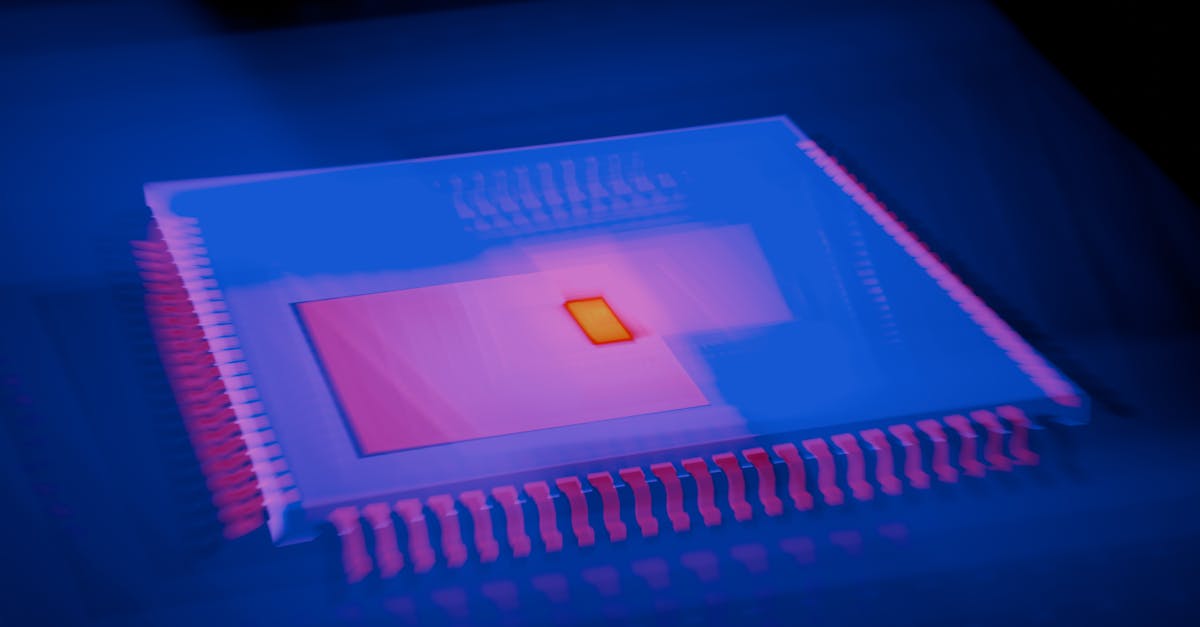
Here's the dirty little secret your phone manufacturer doesn't want you to know: we're running out of room. For decades, we've been cramming more transistors onto silicon chips, following Moore's Law like it's a sacred text. But physics has a sense of humor. When you shrink transistors down to the size of atoms, electrons start acting like rebellious teenagers—they leak, they tunnel through barriers, they do whatever they want.
I've found that most people assume their next phone will be twice as fast as their current one. That's the lie we've been sold. The truth? We're bumping into the limits of classical computing. Your iPhone 15 is already pushing against a wall that's only getting harder to scale.
Enter quantum computing. Instead of using bits that are either 0 or 1, quantum computers use qubits that can be both 0 and 1 at the same time. It's like having a coin that's simultaneously heads and tails until you look at it. Sounds like magic, right? That's because it kind of is.
Why Your Phone Will Cry When It Meets a Quantum Chip
Now, I know what you're thinking: "Jamal, I can barely figure out my phone's settings. Why should I care about quantum stuff?" Fair point. But here's the thing—quantum computing isn't just faster; it's fundamentally different.
Think of it like this: your current phone is like a librarian who can only read one book at a time. A quantum computer is a librarian who can read every book in the library simultaneously. That's not an exaggeration. It's the difference between solving a maze by walking through every path versus seeing the entire maze from above.
Here's where it gets personal for you and me:
- Encryption will be toast. Your passwords, your banking apps, your "secure" messages—all of it will be crackable in seconds. Quantum computers can solve problems that would take classical computers millions of years in just minutes.
- AI will go supernova. Your phone's assistant currently has the intelligence of a mildly confused goldfish. Quantum AI could predict your needs before you even have them.
- Battery life will become a joke. Quantum chips are incredibly energy-efficient. Imagine charging your phone once a month—or never.

The 7 Shocking Ways Quantum Computing Will Kill Your Smartphone
I've been tracking this space for years, and I've identified the seven biggest ways quantum computing will make your current device look like a rotary phone.
1. Real-time language translation that actually works Forget Google Translate's awkward approximations. Quantum-powered translation will let you speak naturally in any language, with perfect nuance and cultural context. Your phone won't translate—it'll think in multiple languages simultaneously.
2. Instant medical diagnosis Your phone will analyze your breath, skin, and voice patterns to detect diseases before symptoms appear. We're talking about catching cancer from a cough.
3. Photorealistic holographic displays No more squinting at a 6-inch screen. Quantum processors will generate holograms so real you'll try to touch them. Your "phone" becomes a portal.
4. Perfect weather prediction Your day won't be ruined by surprise rain again. Quantum computers can simulate entire climate systems in real-time.
5. Drug discovery in your pocket You'll be able to run molecular simulations that currently require supercomputers the size of buildings. Imagine designing new medicines while waiting for your coffee.
6. Unhackable security Ironically, the same technology that breaks encryption can also create unbreakable quantum keys. Your data will be safer than Fort Knox.
7. Consciousness-level AI assistants Your assistant won't just schedule meetings—it'll actually understand your emotions, your humor, your quirks. It'll know you better than your best friend.
The Hidden Problem Nobody's Talking About
But here's the catch—and I'm not going to sugarcoat this. Quantum computers are temperamental beasts. They require temperatures colder than outer space. They're incredibly sensitive to vibration and electromagnetic interference. You can't just shove a quantum chip into your current phone design.
I've found that most tech enthusiasts underestimate the engineering challenge. We're talking about building devices that can maintain quantum coherence at room temperature, with error correction that works reliably. That's not a small problem—it's the holy grail of modern physics.
But here's what gives me hope: the same people who told us we'd never have smartphones are now telling us quantum phones are impossible. I remember when people said the iPhone would fail because nobody wanted a touchscreen. Remember Blockbuster laughing at Netflix? Yeah.
What This Means for You (Yes, You)
Let's get practical. If you're reading this in 2024, should you throw away your phone? Absolutely not. But should you start paying attention? Hell yes.
Here's my honest advice: don't buy a "future-proof" phone. There's no such thing. The devices we'll have in 2030 won't just be better versions of what we have now. They'll be entirely different categories of technology. It's like comparing a horse-drawn carriage to a spaceship.
Start learning about quantum concepts now. You don't need to become a physicist, but understanding the basics will help you make smarter decisions when the quantum revolution hits. The people who understand this shift will be the ones who benefit from it.
The Real Question
So here's what I keep coming back to: are we ready for this? Not technologically—we'll figure that out. But psychologically? Culturally? When your phone can simulate realities, predict your thoughts, and connect you to a global quantum network, what does that do to the human experience?
I don't have the answers. But I know one thing for sure: the smartphone you're holding right now will one day be a museum piece. And that day is coming faster than most people realize.
What do you think? Are you excited about quantum phones, or does the idea make you nervous? Drop a comment below—I read every single one. And if you want to stay ahead of the curve, subscribe to CYBEV.io for the real talk on technology that actually matters.