You know what? The "nones" aren't leaving church. They're leaving your church. And they aren't abandoning faith—they're abandoning a version of it that felt like a straitjacket.
Let's be honest: for decades, the narrative has been that young people are simply becoming less religious. We've heard the doom-and-gloom stats, the hand-wringing about empty pews, the panic over declining membership. But here's what most people miss: Gen Z isn't walking away from God. They're walking away from institutional religion. And the distinction is everything.
I've spent the last few years talking to young people who've left their childhood faiths, and what I've found is surprising. They aren't atheists. They aren't even agnostics, really. They're something far more complicated—and far more interesting.

The Great Unraveling: Why the Old Model Is Failing
Here's the uncomfortable truth that nobody in church leadership wants to say out loud: the traditional religious model was built for a world that no longer exists. We had a distribution system that relied on geographic proximity, weekly attendance, and doctrinal conformity. Gen Z lives in a world of on-demand everything, curated identities, and radical authenticity.
The numbers are staggering. According to Pew Research, about one-third of Gen Z adults are religiously unaffiliated. But here's the kicker: that same generation reports praying and believing in God at rates that would surprise most critics.
So what gives?
I've found that young people are asking a question that previous generations rarely dared to voice: Why do I need a middleman between me and the divine? They see churches that spent decades fighting culture wars, protecting institutional reputations over people, and prioritizing theological purity over human connection. And they've decided that's not a price worth paying.
They're not deconverting. They're renegotiating the terms.
The Four Pillars of Gen Z's New Faith Framework
Through my conversations and research, I've identified four principles that define how this generation is approaching faith on their own terms:
- Authenticity over Authority — They'd rather hear a pastor admit they're struggling than recite flawless theology. Credibility comes from vulnerability, not title.
- Experience over Explanation — A powerful worship moment or a community that feels like family means more than a well-argued sermon on predestination.
- Impact over Doctrine — "Does this faith make the world better?" is the question. If your theology doesn't translate to feeding the hungry or welcoming the stranger, they see it as hollow.
- Fluidity over Fixity — They reject the idea that belief systems are static. You can be a Christian who doubts. You can be spiritual but not religious. You can hold paradoxes.

The Hidden Church: Where Gen Z Is Actually Gathering
Here's what the data won't tell you: young people haven't stopped gathering. They've just changed the venue.
I've seen it with my own eyes. There's a group in Brooklyn that meets in a brewery on Sunday mornings. Not ironic—actually worshipping. There are "church plants" that are literally just a group of friends who watch sermons online together and then debrief over brunch. There are TikTok creators with more spiritual influence than most pastors.
The shift is from obligation to attraction. Gen Z doesn't go to church because they're supposed to. They go because something authentic is happening, and they want to be part of it.
And let's be real—the pandemic accelerated this. When churches went online, young people realized they could experience community, teaching, and worship without the baggage of institutional politics. They could curate their spiritual diet from multiple sources. They could engage on their schedule.
The genie is not going back in the bottle.
What the Church Gets Wrong (and Right)
If I'm being honest, the church has made some spectacular missteps with this generation. Here are the three biggest:
- Prioritizing political alignment over spiritual formation. Nothing drives young people away faster than feeling like they're being recruited for a partisan agenda.
- Protecting institutions over people. The sexual abuse scandals, the cover-ups, the lack of accountability—Gen Z has zero tolerance for this.
- Demanding certainty in an age of questions. When a young person says "I'm struggling with doubt," and the response is "You just need more faith," you've lost them.
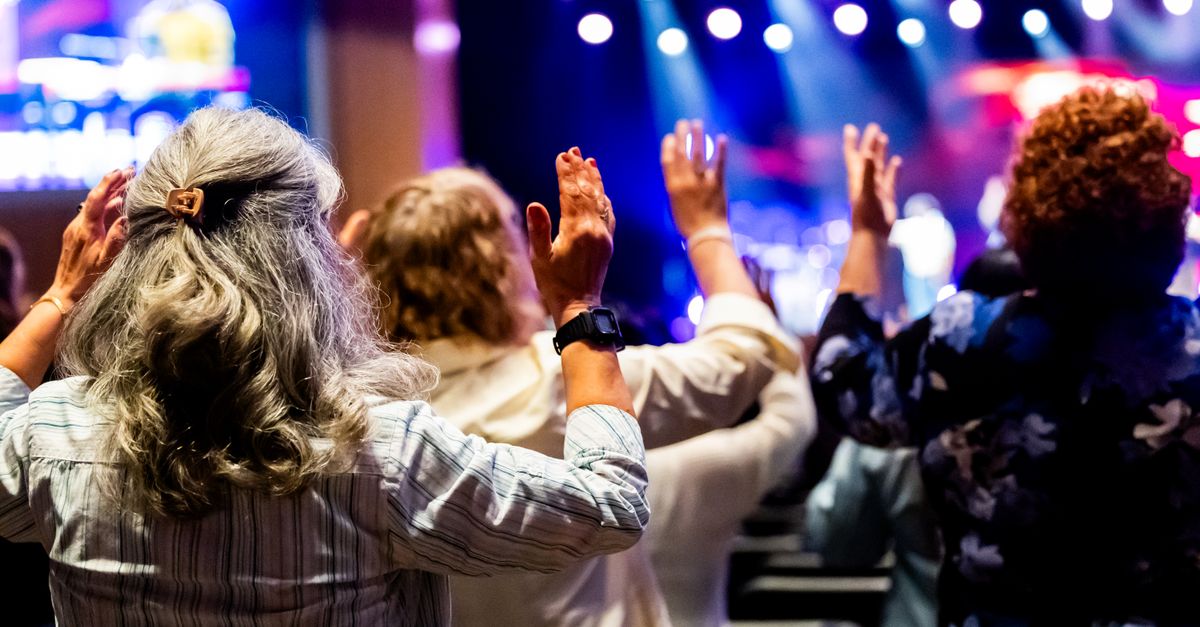
I've watched a church in my city go from 200 to 2,000 in five years, and it's not because their theology is trendy. It's because they treat every person who walks through the door like they're already family.
The Future of Faith Is Already Here
So what does this mean for the next decade?
The exodus of the young isn't a problem to solve. It's a signal to read. The people who are leaving are telling us something important about what faith needs to become. And the people who are staying are building something new.
I predict we'll see more hybrid spiritual communities—some online, some in person, all focused on genuine connection. We'll see less emphasis on denominational loyalty and more on mission alignment. We'll see faith leaders who are more like coaches than CEOs.
And here's the part that gives me hope: this generation is deeply spiritual. They're hungry for meaning, for community, for transcendence. They just refuse to accept a version of faith that asks them to check their brains, their questions, or their LGBTQ+ friends at the door.
The question isn't whether Gen Z will be religious. The question is whether existing religious institutions will be flexible enough to meet them where they actually are.
The young have already left. The question is whether we'll follow them to wherever God is actually moving.