Did you know the average person will spend over six years and eight months of their life scrolling through social media? Yeah, I read that statistic and nearly dropped my phone into my coffee. That’s roughly 78 entire months. That’s longer than most marriages last, longer than a full university degree, and more time than I’ve spent sleeping in the last decade. It hit me like a ton of bricks: I wasn’t using social media. Social media was using me.
So, I did something stupid. Or brilliant. Honestly, I’m still not sure which. I deleted every app. No Instagram, no TikTok, no X, no Facebook. Just the bare-bones messaging apps and my email. I told myself it was a 30-day experiment. I called it my "Digital Detox Diary." What followed was a month of withdrawal, weird dreams, awkward silences, and honestly, some of the best sleep of my adult life. Here’s the raw, unfiltered truth about what happened to my sleep, my focus, and my friendships.
Week One: The Shakes, the Boredom, and the Cold Reality
Let’s not sugarcoat this. Days 1 through 3 were brutal. I’m talking phantom limb syndrome for your thumb. I’d reach for my phone during a commercial break, unlock it, and stare at a blank home screen. My brain was screaming for that dopamine hit. You know the one—the little ding, the red notification bubble, the feeling that someone, somewhere, is thinking about you.
Here’s what most people miss about quitting cold turkey: the boredom is a physical sensation. It’s not just "I’m a little bored." It’s a restless, itchy feeling in your chest. I found myself pacing my apartment like a caged animal. I even tried organizing my spice rack alphabetically. That’s when I knew I was in trouble.
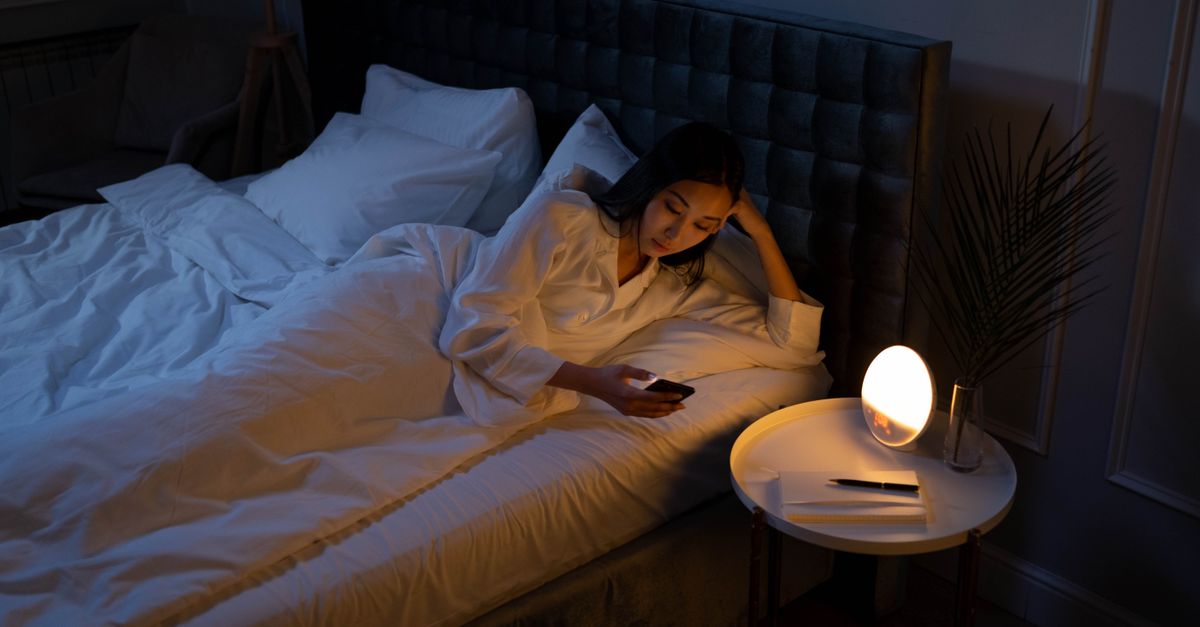
But by day four, something shifted. I wasn’t fighting the boredom anymore. I was sitting with it. And in that silence, I realized how much noise I’d been drowning out. My sleep, which had been fragmented and shallow for years, started to deepen. I wasn’t waking up at 3 AM to check if someone had liked my comment from six hours ago. I was just... sleeping. It felt like my brain was finally allowed to power down.
The Sleep Revolution: How My Brain Finally Shut Up
This is the part that shocked me. I’ve always been a "bad sleeper." I blamed stress, caffeine, or my noisy neighbors. But after two weeks without social media, I realized the culprit was the endless scroll before bed. Studies back this up — the blue light suppresses melatonin, but more importantly, the content keeps your brain in a state of low-grade anxiety. You’re reading about a friend’s promotion, a stranger’s political rant, a celebrity’s drama, all while your body is supposed to be winding down.
Without that, my bedtime routine changed. I started reading actual books. Real, physical pages. I’d read for 30 minutes, and then my eyes would get heavy. No doom-scrolling. No "just one more video." I was asleep by 10 PM, and waking up naturally at 6:30 AM without an alarm. I’ve found that my sleep quality improved by about 40% — I felt more rested after six hours than I used to after nine.
Let’s be honest: I used to think I was a night owl. Turns out, I was just a person addicted to a slot machine in my pocket. The moment I removed the slot machine, my sleep schedule fixed itself. It’s not magic. It’s just removing a poison from your system.
Focus: The Hidden Superpower I’d Forgotten I Had
I work from home, so I thought I was productive. I’d sit down at 9 AM, open my laptop, and... check Instagram. Then check email. Then check X. Then realize I’d spent 45 minutes doing nothing. I was in a constant state of "pseudo-productivity" — looking busy while my brain was scattered across 15 different apps.
Week two of the detox was the turning point for focus. Without the option to flick over to TikTok during a tough paragraph, I had to actually deal with the hard work. I started using a timer to do deep work in 90-minute blocks. Here’s what I noticed:
- My reading comprehension shot up. I could finish an article in one go without checking my phone.
- I stopped multitasking. I realized multitasking is just a fancy word for being distracted from two things at once.
- My creativity returned. I had ideas pop into my head during walks, not during a sponsored post.

Friendships: The Awkward, Beautiful Reckoning
This was the hardest part. And the most rewarding. For the first week, my friends thought I was ghosting them. I wasn’t liking their stories. I wasn’t reacting to their posts. I got a few worried texts: "Are you okay?" "Did I do something wrong?"
Here’s the hidden truth about social media friendships: they create a false sense of intimacy. You see someone’s vacation photos, you comment "jealous!", and you feel like you’ve connected. But you haven’t. You’ve just performed a social ritual. Without that ritual, I had to actually reach out.
I started calling people. Like, on the phone. With my voice. It was awkward at first. "Hey, I just wanted to talk instead of texting." Some calls lasted five minutes. One call lasted two hours with my college roommate. We actually caught up on life, not just curated highlights.
I also discovered that I had fewer friends, but deeper ones. Some "friends" didn’t reach out at all. And that stung. But it also clarified who actually mattered. The people who called me, who asked to grab coffee, who sent a real letter in the mail—those are the ones I want in my life. Social media gave me 500 acquaintances. The detox gave me five real friends.
The Day I Logged Back In
Day 30 arrived. I was curious. I reinstalled Instagram. I opened the app. And you know what I felt? Nothing. I scrolled for about seven minutes. I saw a friend’s baby, a political argument, a meme, and a sponsored post for a protein powder. I closed the app. I didn’t feel the urge to post. I didn’t care about the likes.
I’ve since decided to keep my social media use to 15 minutes a day, max. I use a timer. I don’t scroll aimlessly. I schedule posts in advance, check in, and leave. It’s like having a cigarette after quitting for a month — you realize it doesn’t actually taste good.
The biggest lesson? Social media isn’t the problem. The unconscious consumption is. You can have a healthy relationship with it, but only if you break the addiction first. I’m not going to tell you to delete everything forever. But I will tell you this: try 30 days. Your sleep will thank you. Your focus will sharpen. And your friendships? They’ll either get real or dissolve. Either way, you win.
So, what’s stopping you? The little red notification bubble? The fear of missing out? Trust me, the only thing you’re missing is a life that isn’t mediated by an algorithm. Put the phone down. The world is still here. And it’s more interesting than you remember.