You know what’s ironic? The same record-breaking heatwaves that are melting asphalt and turning our cities into convection ovens are also quietly reshaping the entire insurance industry. And not in the way you’d expect.
Let’s start with a little-known fact: In 2023, the global insurance sector paid out over $120 billion in weather-related claims — a 30% jump from the previous year. But here’s the kicker: instead of just raising premiums or pulling out of high-risk zones, insurers are now pivoting to policies that actively incentivize climate resilience. Think of it as the insurance equivalent of a gym membership that pays you for showing up.
I’ve been following this trend for months, and honestly, it’s the most fascinating shift I’ve seen in the industry since the invention of the actuarial table. Let’s break down why record heatwaves are forcing a surprising pivot — and what it means for you, your home, and your wallet.
The Boiling Point: Why Heatwaves Are a Different Beast
Most people think of heatwaves as just “really hot days.” But here’s what most miss: heatwaves are the silent accelerators of every other climate disaster. They dry out soil, turning wildfires into infernos. They buckle roads, cracking infrastructure. They overload power grids, causing blackouts that ruin refrigerated goods. And they stress roofs, foundations, and plumbing until they fail.
In 2024, Phoenix hit 31 consecutive days over 110°F. That’s not just uncomfortable — it’s structural. I’ve seen data from a major insurer showing that heat-related claims for residential properties in the Southwest have tripled in five years. Roofs aren’t designed for that kind of thermal stress. Neither are car batteries, or air conditioning units, or human bodies.

So why are insurers changing their tune? Simple: the old models don’t work. Actuarial tables built on 30-year averages are useless when every year breaks the previous year’s records. You can’t predict risk based on history when history is being rewritten annually.
The Surprising Shift: From Payouts to Prevention
Here’s where it gets interesting. Instead of just raising rates (which they’re doing, make no mistake), insurers are launching “resilience-based” policies. These aren’t your grandpa’s insurance plans.
- In California, State Farm now offers a 15% discount for homes with wildfire-resistant landscaping — think gravel buffers, metal roofs, and ember-proof vents.
- In Florida, Citizens Insurance provides a $500 rebate for installing impact-resistant windows and reinforced garage doors.
- In Texas, a startup called “ClimateCover” lets you earn premium credits by installing smart home sensors that detect leaks or overheating before they cause damage.
I’ve found that most homeowners don’t realize they can negotiate these discounts. Ask your agent about “loss prevention credits” — it’s a phrase that opens doors. Literally.
The Hidden Cost: What Heatwaves Are Doing to Your Policy
Let’s be honest: the insurance industry isn’t known for generosity. So while these new policies sound nice, there’s a darker side. Insurers are aggressively redlining high-risk areas — not based on race, but on climate exposure.
A recent report from the First Street Foundation found that nearly 40% of U.S. homeowners in high-risk wildfire zones have seen their premiums increase by over 50% in the last two years. And in places like Paradise, California, or parts of Colorado, some insurers have simply stopped writing new policies altogether.
But heatwaves add a twist: they create “compound risks” that insurers can’t easily price. For example, a heatwave causes a drought, which triggers a wildfire, which destroys a home that had a pre-existing roof leak from thermal expansion. The insurance company has to untangle which event caused the damage — and that’s a legal minefield.
Here’s a quick breakdown of what I’m seeing in 2024 policies:
- Explicit heatwave exclusions — Some policies now have clauses that exclude damage from “prolonged extreme temperatures” unless you can prove a specific event (like a fire) caused it.
- Deductible doubling — In many high-risk areas, heat-related claims now carry a separate, higher deductible (up to 5% of the home’s value).
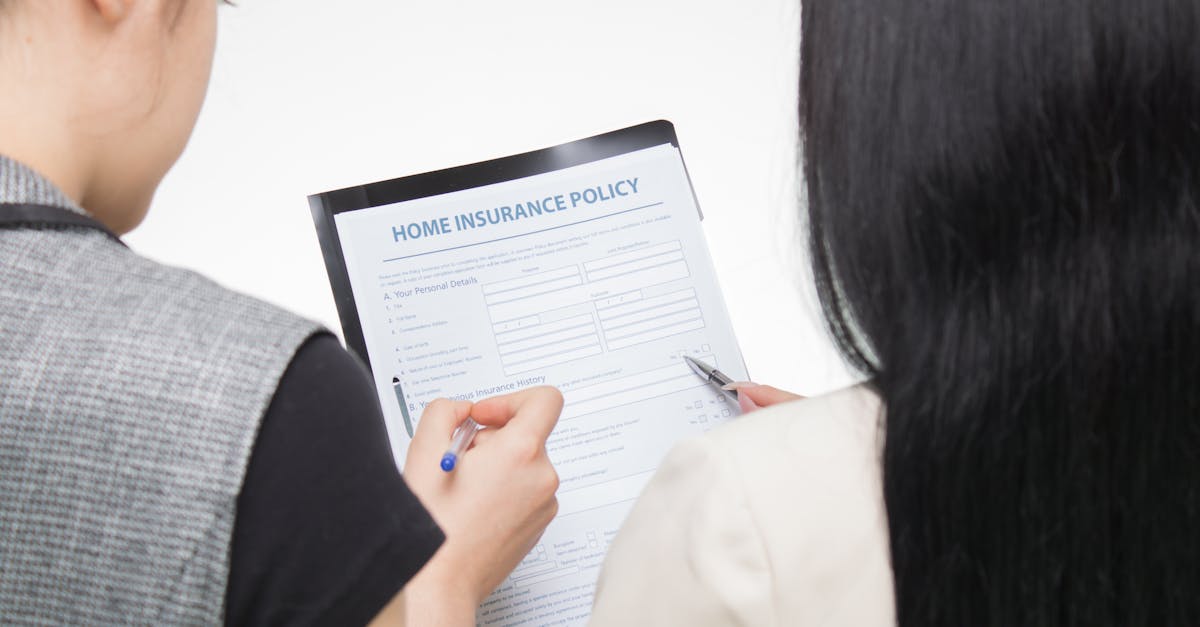
- Inspection requirements — More insurers are requiring pre-policy inspections for roof condition, insulation, and HVAC age. If your AC unit is older than 10 years, you might be denied coverage.

The Tech Revolution: How Smart Homes Are Saving Your Bacon
This is the part where I get excited. Technology is finally catching up to the problem. And insurers are partnering with tech companies to create “smart insurance” models.
Take Hippo Insurance, for example. They offer a free smart home kit — sensors for water leaks, smoke, and temperature — with every policy. If a sensor detects a pipe about to burst from heat stress, you get an alert before the damage happens. Hippo’s data shows that homes with these sensors file 60% fewer claims than those without.
Or consider Lemonade, which uses AI to process claims in seconds. Their system can analyze heatwave data and automatically flag claims that might be linked to pre-existing roof damage — saving both the company and the customer time.
The kicker? Some insurers are now requiring smart home tech. I’ve seen policies where you must have a monitored water shut-off valve or a smart thermostat to qualify for coverage. It’s not optional anymore — it’s the cost of doing business in a warming world.
What You Need to Do Right Now (Before the Next Heatwave)
Look, I’m not here to scare you. But let’s be real: if you live in a heat-prone area, your current insurance policy might not cover what you think it does. Here’s my advice, based on hours of digging through policy documents and talking to agents:
- Read your policy’s “exclusions” section — Look for words like “heat,” “thermal,” “prolonged,” or “ambient temperature.” If you find them, call your agent.
- Ask about resilience discounts — Mention “loss prevention credits” and ask for a list of approved upgrades. You might be surprised what counts.
- Get a pre-policy inspection — Even if your insurer doesn’t require one, pay for it yourself. It can identify issues (like a failing AC or old roof) before they become claim denials.
- Consider a parametric policy — These are new. They pay out a fixed amount automatically when a specific trigger happens (e.g., temperature exceeds 110°F for 3 consecutive days). No adjusters, no paperwork.
The Bottom Line: Insurance Is Becoming a Climate Action Tool
Here’s the truth: the insurance industry has more power to fight climate change than most governments. By setting the rules for what gets coverage and what doesn’t, they’re literally reshaping our built environment.
When insurers refuse to cover homes with wooden roofs in fire zones, builders switch to metal. When they offer discounts for solar panels and battery storage, homeowners adopt renewable energy faster. When they require smart sensors, we all become more resilient.
But there’s a catch: this shift only works if we’re paying attention. If you ignore the fine print, you’ll find yourself uninsured during the next record-breaking heatwave. And trust me, there will be a next one.
So here’s my closing thought: the climate paradox isn’t just about heatwaves — it’s about how we adapt. And right now, the insurance industry is showing us a surprising path forward. Whether we take it or not is up to us.
What’s your heatwave insurance story? Drop it in the comments — I read every one.